








 Contact Platform Support
 Help Center
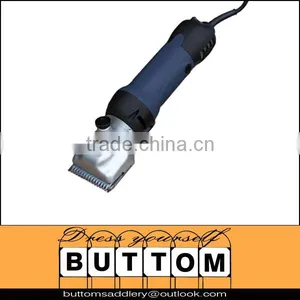
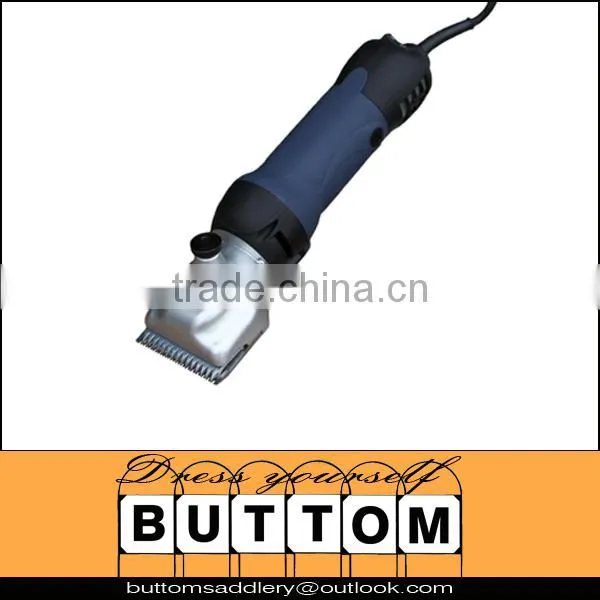
Horse Equipment Horse Hair Equipment Horse Hair Clipper Equipment, Horse Clipping 350W


Related Products
-
 Horse Clipper Horse Hair Clipper Horse Clipper Machine Electric Horse Clipper 150WUS$ 50 - 80MOQ: 50 Pieces
 -
Horse Brush Horse Face Brush Horse Grooming Brush Horse Brush Supplier Horse Brush WholesaleUS$ 0.9 - 3MOQ: 200 Pieces
-
Horse Hair Brush Horse Hair Grooming Brush Horse Hair Brush Wholesale Horse Hair Brush SupplierUS$ 0.9 - 3MOQ: 200 Pieces
-
Horse Brush Horse Hair Brush Horse Brush Supplier Horse Brush Wholesale,pattern Dandy BrushUS$ 0.9 - 1.2MOQ: 200 Pieces
-
Horse Boots Horse Elastic Boots Oxford Horse Boots Horse Boots Supplier Horse Boots Wholesale Equestrian Horse BootsUS$ 2 - 6MOQ: 200 Pairs
Specifications
Horse hair clipper electric horse hair clipper :1.Convenience for using
2.High speed
3.Top quality
DESCRIPTION
Horse hair clipper electric horse hair clipper:
- 1.Excellent for clipping and fitting of cattle, horses and other large animals
- 2.Engineered for durable, cool, quiet and comfortable use
- 3.Carbon steel blades:1mm and 3mm
- 4.High speed 2500RPM,350W
- 5.Including:2PCS of shearing combs,1PC WRENCH,1BOTTLE CLIPPER OIL
Choosing a Clip
1.
Belly Clip. For this clip, you remove the hair from just the underside of the neck and belly.
This is common on ponies living out and only ridden on the weekends. Hardy ponies may
not need to be rugged with this clip, unless the weather is very bad.
2.
Low/High Trace Clip. Hair is clipped from the underside of the neck and belly up to
where the traces would be on a driving pony. As the name suggests, high trace clips
remove the coat up to a higher line than the low trace clip. The lower half of the head
is also sometimes clipped. The legs are left unclipped. This clip is appropriate for horses
who are turned out during the day, and perform moderate work on a regular basis.
3.
Irish Clip. A line is draw from the poll (top of the head) to the belly to make a triangle
shape, everything under this is clipped. Often half the head is also clipped. The legs are
left unclipped. This is done on horses who perform light work and are turned out during
the day.
4.
Blanket Clip. This is similar to a trace clip, but the neck is fully clipped and the head is
half or full clipped. The legs are left unclipped. This is good for horses that work heavily,
as it removes hair where they sweat but leaves enough to keep them warm simultaneously.
5.
Hunter Clip. All the hair is removed, except from the legs to give some protection. Some
hair is sometimes left on the back in the shape of the saddle, and less often girth, to give
protection from saddle rubs. Because most of the hair is removed with this clip, careful
watch must be taken to make sure that the horse does not become too cold.
6.
Full Clip. For this clip, the entire coat is clipped off. This is done on show horses who are
heavily involved in competition, to give them a sleek coat that sweat can evaporate off of
easily. A full clip should only be done if the horse is not turned out during the winter or
at night.
Getting Your Horse Ready
1.
Groom your horse. Dirt and debris in the horse’s coat will dull your clippers as you use them,
so it is best to groom your horse well prior to clipping. When possible, give your horse a bath
the night before you plan to clip to remove as much of the dirt as possible.
2.
Mark off the areas you plan on clipping. Use chalk or masking tape to section off the areas
of your horse’s coat that you intend on clipping. Make sure to use straight lines and mark
off all areas before starting to remove hair.
3.
Make sure your horse is not frightened of the sound of the clippers. The buzzing noise put
out by clippers is frightening to most horses, especially those who have never been clipped
before. Let the horse see the clippers, and then turn them on a few feet away from its face.
Allow them to see that the source of the noise is from the clippers
4.
Get your horse used to the feel of the vibrations. Alongside the sound, the way the vibration
of the clippers feels on the horses skin might spook them. Test out their reaction by turning
on the clippers, and placing the handle-end on their side. This will allow them to feel the
vibrations without removing any hair.If your horse spooks particularly easy, place your hand
on their side and the handle of the clippers on the back of your hand. The vibrations will travel through your hand and they’ll be able to feel it on their skin indirectly.
Getting Your Clippers Ready
1.
Select two different clippers. In general, it is good advice to keep at least two pairs of clippers
on hand at all times. You will need one shearing clipper to use for wide areas of clipping, and a smaller clipper for sensitive areas such as around the face.
2.
Sharpen the blades. When cutting anything, the sharper the blade the easier the process.
3.
Clean and oil the blades. Make sure there is nothing on the blades that might slow or impede
their process; dirt and mud build up will make clipping take much longer.
4.
Pay attention to the temperature of your clippers. If your clippers are ever hot, turn them
off and let them cool down for several minutes before attempting to use them again.
Clipping Your Horse
1.
Start in a non-sensitive area. Move your clippers to a part of the horse’s body that won’t
be so ticklish.
2.
Begin clipping. Turn the clippers on away from your horse’s body, and allow them to run
for a few seconds. Then begin to clip by moving the clippers in the direction opposite of hair growth. Try to keep lines straight and to remove entire patches before moving onto other
sections. Watch the corners of the clippers to make sure that you don’t poke your horse
with them.
3.
Continue clipping out strips. Work in long, narrow sections to get the most even results.
Overlap each new strip of hair your clip off, so that you don’t have any uneven patches.
When you reach a whorl in the coat, clip out the hair from different angles to remove it all.
4.
Be careful around the mane and tail. When you clip near the mane and tail, wrap it and
move it to the side so that you don’t accidentally cut any long hairs. If you need, have a
friend help by holding both to the side to make it easier for you and your horse.
5.
Clip the face last. If the clip style you choose requires you to clip your horse’s face, save it
for last. This will help to keep their anxiety level low. Be sure to switch to the smaller clipper
when clipping the face and other sensitive areas.
6.
Trim any remaining hairs. If you’re not doing a full clip, there will be areas of the horse
which still have hair, and some of that will be a bit long. Use a pair of cutting shears to trim
down extra long hair, typically around the legs.
7.
Clean up the hair. The hair left on the ground will need to be swept up and removed.
Horse hair does not decompose quickly though, so it should not be put in a manure or
compost pile. Instead, simply toss it out with your regular garbage.
8.
Blanket your horse. Your horse won’t be used to the stark temperature change as a
result of having much less hair, so they will need to be blanketed whenever they are
put out. In general, if you need a thin coat, put a thin blanket on them. If you’re very
cold, they’re also going to need a thick winter blanket.

Send Inquiry to This Supplier

You May Also Like
-
Pine Wood British Beehive With Wooden Frame and Nets Three Layers Each 10 FramesNegotiableMOQ: 20 Sets
-
Hot Dip Galvanized Steel Frame Wooden Horse Stable Fronts for Equine FacilitiesNegotiableMOQ: 20 Pieces
-
YDZ-50 50L Self-pressurized Liqud Nitrogen Storage Dewar for Cryogenic Use/liquid Nitrogen Cylinders/vesselsUS$ 1,048 - 1,052MOQ: 1 Set
-
High Quality Horse Floor Mat for Sale , Stall Mat , Cow Mattresses for SaleUS$ 13.5 - 35.4MOQ: 50 Pieces
-
Chicken Manure Dewatering MachineNegotiableMOQ: 1 Set
-
Supply OEM Plastic Animal Feeding ContainerUS$ 100 - 5,000MOQ: 1 Set
-
Water Battery ,dry Charged BatteriesUS$ 5.8 - 6.2MOQ: 600 Pieces
-
TWIST TIENegotiableMOQ: 3000 Pieces
-
Spring Gate HandleUS$ 0.42 - 0.67MOQ: 900 Pieces
-
Poultry Farm Equipment Pig Used PP Pipe Artificial Insemination Spermaduct With Sponge HeadUS$ 0.05 - 0.1MOQ: 1 Piece


