








 Contact Platform Support
 Help Center
Home > Chemicals > Fertilizer > Potassium Fertilizer > Humic Acid Potassium, Humic Acids, Potassium Salt
Humic Acid Potassium, Humic Acids, Potassium Salt
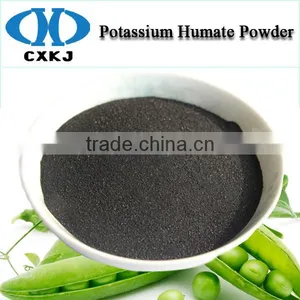
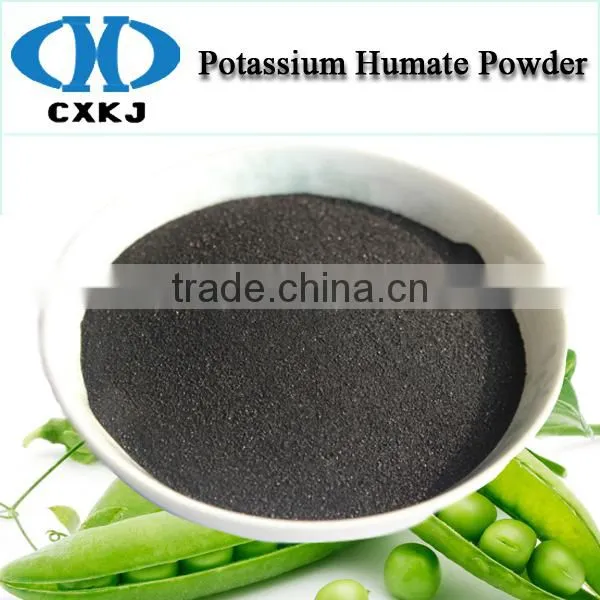
US$ 300 - 1,000
MOQ: 5 Metric Tons
Key Specifications
Get Latest Price
Type:
Potassium Humate
CAS No.:
68514-28-3
Other Names:
Humic Acid Potassium Salt
Payment & Shipping
Payment Methods:


Port of Shipment:
Qingdao Tianjin Shanghai
Delivery Detail:
Delivery time depends on order quantity.
Related Products
-
 Irrigation Fertilizer Potassium Humate With High Water SolubilityUS$ 300 - 2,000MOQ: 5 Metric Tons
 -
High Grade and High Efficiency Organic Humic Acid, Potassium Humate FlakesUS$ 500 - 1,500MOQ: 5 Metric Tons
-
Agricultural Organic Potassium Humate With Microelements Fulvic AcidUS$ 300 - 2,000MOQ: 5 Metric Tons
-
Mineral Natural Organic Fertilizer, Humic Potassium Humate 60%US$ 300 - 1,000MOQ: 5 Metric Tons
-
100% Water Soluble Water Flush Fertilizer, Humic Acid Potassium Humate PowderUS$ 300 - 2,000MOQ: 5 Metric Tons
Type
Potassium Humate
CAS No.
68514-28-3
Other Names
Humic Acid Potassium Salt
MF
C9H8K2O4
EINECS No.
270-030-1
Place of Origin
Xinjiang, China
Release Type
Quick
Purity
98%
Application
Agriculture, Foliar Spray, Base Fertilizer
Brand Name
CXKJ
Model Number
CXKJ-002
Humic Acid Potassium, Humic Acids, Potassium Salt
Defination
Potassium humate is ideally suited for addition with fertilizers, such as Urea. With prominent effect to release the locked phosphate
by some ions such as Fe3+, Al3+, also can slow-release nitrogen fertilizer to promote the function of NPK fertilizers.
Description
| Name | Potassium Humate |
| Brand Name | CXKJ |
| Model Number | CXKJ-002 |
| Molecular Formula | C9H8K2O4 |
| CAS | 68514-28-3 |
| EINECS | 271-030-1 |
| Appearance | Black Powder |
| Water Solubility | 80% |
| Humic Acid (dry basis) | 60% min |
| K2O | 8% / 10% / 12% min |
| PH | 9.0-11.0 |
| Moisture | 18% max |
| Purity | 98% |
| Nitrogen | 0.35% |
| P2O5 | 0.02% |
| Fe | 0.10% |
| Mesh | 60 |
| Sieve Residues (0.5mm) | 5% max |
| Application | Agriculture & Industry |
| Dosage | Foliar Spray Fertilizer: 0.5-1kg per unit area |
| Irrigation Fertilizer: 1-2 kgs per unit area | |
| Pay attention to | Concentrations will vary depending on the needs of the crop |
| or soil, the micro-climate, the soil type and desired results. | |
| Other State | Crystal, Granule & Flakes |
| Caution | Pls keep in sealed & damp proof place. |
Functions
Physical Benefits:
- Increases water holding capacity
- Increase soil aeration
- Improve soil workability, making it more friable and crumbly
- Improve drought resistibility
- Improve the seedbed
- Reduce soil erosion
Chemical Benefits:
- Retain water-soluble inorganic fertilisers in the root zones and release them to plants when needed
- Promote the conversion of a number of elements into bioavailable forms to plants
- Provide extremely high ion-exchange capacities
- Participate in the decomposition of rocks and minerals
- Increase the buffering properties of soil
- Chelate metal ions under alkaline conditions
- Provide rich organic and mineral substances essential to plant growth
- Increase nitrogen content in soil
Biological Benefits:
- Stimulates plant growth by accelerating cell division, increasing root system development, and increasing yield of dry matter
- Strengthens root system development, respiration and growth for quicker and improved mineral and nutrient intake
- Increase germination and viability of seed
- Increase vitamin content of plants
- Increase plant membrane permeability to optimise mineral intake
- Increase plasma permeability to optimise nutrient intake
- Act as a supplementary source of polyphenols which are respiratory catalysts
- Converts heavy metals (e.g. iron) into bioavailable forms to protect plants from chlorosis
- Stimulates plant growth by accelerating cell division
- Stimulates plant enzymes
- Supports plant photosynthesis
Uses
Base fertilizer: 5-10kg per hactare with 100kg urea.
Also it depens on the soil condition.
Irrigation: 5-8 kg/ha.
Pictures
Welcom to visit our factory!

Send Inquiry to This Supplier

Business Type
Manufacturer, Trading Company
Year Established
2002
Factory Size
5,000-10,000 square meters
Total Employees
301 - 500 People
You May Also Like
-
Potassium FertilizerNegotiableMOQ: 2300 Kilograms
-
Mineral Supplement FA PotassiumUS$ 1,000 - 1,500MOQ: 1 Ton
-
Granular Humate Acid FertilizerUS$ 450 - 1,000MOQ: 5 Tons
-
Foliar Fertilizer Phosphite K Fosfito de Potássio Liquid 520g/L Liquid Spray FertilizerUS$ 1500 - 1700MOQ: 1 Metric Ton
-
Potassium NitrateNegotiableMOQ: 120000 Metric Tons
-
Potassium Sulphate White Powder Potassium Fertilizer K2O 52%MinUS$ 220 - 700MOQ: 5 Metric Tons
-
Magnesium Thiosulfate SolutionNegotiableMOQ: 1 Ton
-
Mannheim Process Potassium Sulphate (K2SO4) Making Equipments & TechnologyUS$ 1000000 - 1500000MOQ: 1 Set
-
13-0-46 KNO3 Fertilizer Grade 99.4% Potassium NitrateUS$ 699 - 999MOQ: 25 Tons
-
Professional High Water Solubility With Low PriceUS$ 615 - 685MOQ: 24 Tons


