Product Management
Blog Management
Inquiry Management
Analytics Center

 Connect Your Store to WeChat
Follow Our Official Service Account
Manage Products & Inquiries Anywhere
Seller Services

Join GoldSupplier.com
Free & Instant Registration
Showcase Company & Products
Access Global Buying Requests

Activate Verified Supplier Membership
Priority Verified Visibility
Claim Exclusive Buying Requests
Automated Multi-language Store

Launch Your EasyOcean Website
Full-Service Website Management
Google Page 1 Guarantee
Enhanced Brand Credibility


The Geographic Surveying Instrument channel connects global wholesale suppliers and manufacturers, featuring top enterprises and products in key categories such as Inclinometer, Total Station, GNSS Receiver, Total Station Accessories, and Total Station Battery, providing a one-stop solution from OEM customization to bulk procurement.
This industry embraces automation and intelligent technologies like high-precision GNSS receivers, while complying with international standards such as ISO and promoting sustainable sourcing for eco-friendly bulk orders and OEM production.
Goldsupplier.com implements a strict verification and certification system to ensure reliable suppliers and premium instruments. For accurate and durable solutions, explore our platform to find trusted sellers and request quotes.
51
612
51

Other Geographic Surveying Instruments


GNSS Receiver

Inclinometer

Total Station

Total Station Accessories

Total Station Battery

Featured verified suppliers in Geographic Surveying Instrument
Top-selling and featured products in Geographic Surveying Instrument


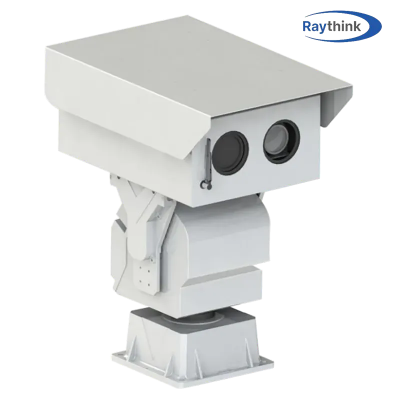



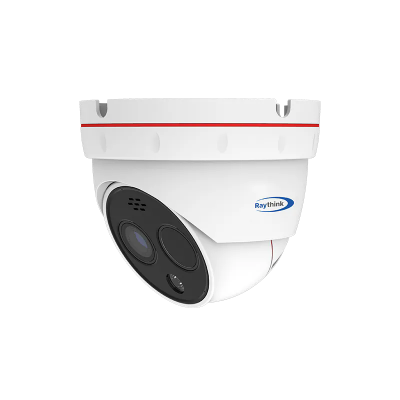

Essential tips for successful procurement

Find Products Efficiently

Verify Supplier Credentials

Key developments and opportunities about Geographic Surveying Instrument
Applications
Industry Trends
Sustainability & Compliance
Buying Guide

Common Sourcing Questions in Geographic Surveying Instrument
What certifications are required when purchasing inclinometers for international projects?
How can I customize total stations to meet specific project needs, and what is the MOQ?
What are the lifespan expectations and certifications for total station batteries in procurement?
When sourcing total station accessories, how do I ensure compatibility and what are the packaging options?
What factors influence GNSS receiver accuracy in procurement, and are there sample testing options?
For other geographic surveying instruments like laser levels, what are the key procurement steps for international shipping?
Explore more categories

Official WeChat Account
Follow Us for Updates


 Contact Platform Support
 Help Center