








 Contact Platform Support
 Help Center
"Glass Wool: The Construction Industry's Go-to Material for Soundproofing, Insulation, and Moisture Control"


Related Products
-
 "Opt for Jiuzhou Rock Wool – Superior Fire Resistance, Thermal Insulation, and Acoustic PerformancNegotiableMOQ: 1000 Square Meters
 -
Insulation Glass Wool With Aluminium FoilNegotiableMOQ: 1
-
Insulation Stone Mineral Glass Wool Rock Wool Sandwich Wall Panel Fiber Board SheetUS$ 1.35 - 1.58MOQ: 500 Square Meters
-
Glass WoolUS$ 0.2 - 0.5MOQ: 7 Tons
-
Soundproof Glass WoolUS$ 5 - 15MOQ: 500 Rolls
Comprehensive Analysis of Glass Wool Product Characteristics
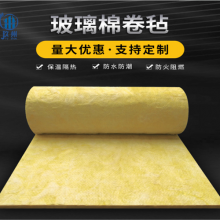
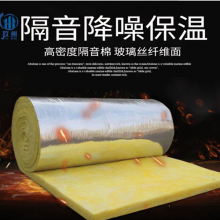
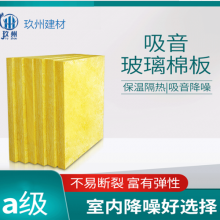
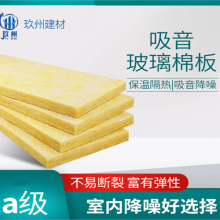
Glass wool is an inorganic thermal insulation material primarily composed of glass fibers, widely used in construction and industrial applications due to its unique physical and chemical properties. Below are its core characteristics and technical specifications:
1. Thermal Insulation Performance
Low thermal conductivity (0.035-0.04 W/(m·K)), effectively blocking heat transfer, suitable for environments ranging from -120°C to 400°C.
Long, fine fibers (2-5 μm) are densely interwoven, forming a porous structure that traps air molecules and minimizes convective heat transfer.
2. Sound Absorption & Noise Reduction
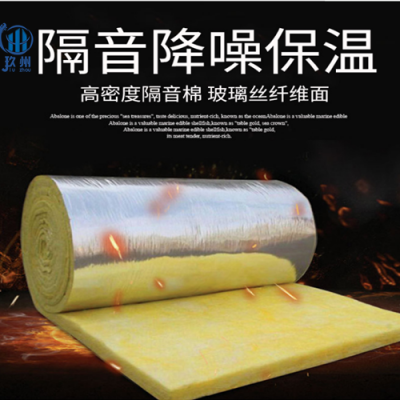
The fluffy fiber structure absorbs mid-to-low-frequency sound waves, with a Noise Reduction Coefficient (NRC) exceeding 0.8, making it ideal for theaters, equipment rooms, and other noise-sensitive environments.
3. Fire Resistance & Safety
Class A1 non-combustible material, with a melting point above 500°C, it releases no toxic gases at high temperatures.
Inorganic composition resists corrosion, with strong chemical stability (pH 7-8), suitable for chemical and electrical equipment.
4. Moisture Resistance & Durability
Hydrophobicity ≥98%, maintaining performance even when submerged, ideal for high-humidity environments.
Anti-aging properties ensure a service life of over 20 years, with fibers resistant to breakage.
5. Construction & Environmental Friendliness
Lightweight (density 10-110 kg/m³), easily cuttable and adhesive, adaptable to complex structures.
Non-toxic and formaldehyde-free, compliant with green building standards.
6. Product Forms & Specifications
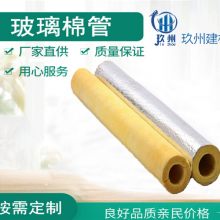
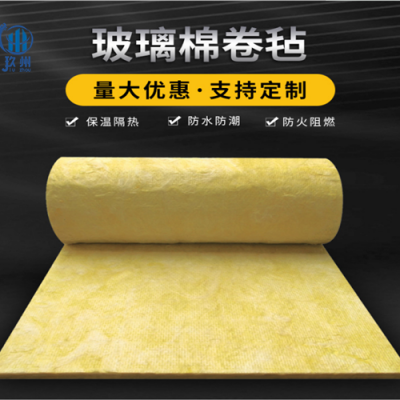
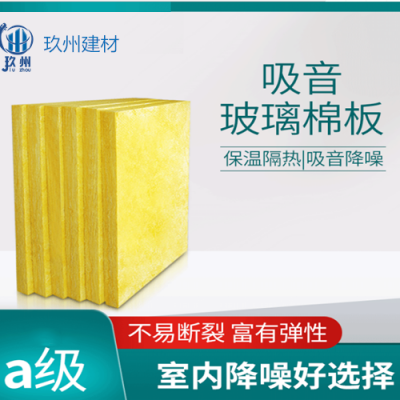
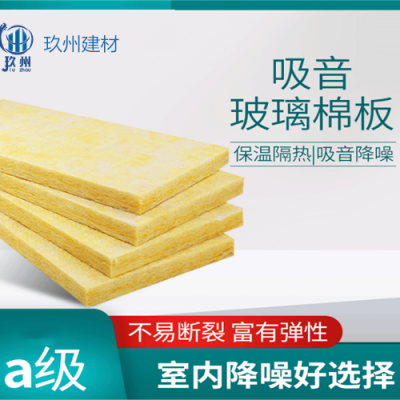
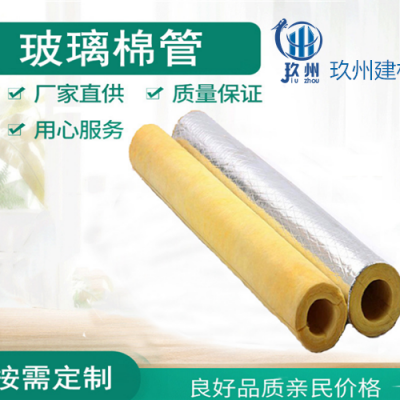
Panels/Felt/Pipe Insulation: Thickness 15-100 mm, density 24-96 kg/m³, customizable.
Facing Types: Aluminum foil, PVC film, etc., enhancing waterproofing or decorative functions.
Applications
Construction: Exterior wall insulation, roof insulation, soundproof walls.
Industrial: Pipe insulation, tank insulation, high-temperature equipment.
Transportation: Ship noise barriers, high-speed rail soundproofing layers.
Technical Comparison
Property Glass Wool Rock Wool Polystyrene Foam
Thermal Conductivity 0.035-0.04 0.04-0.045 0.03-0.04
Fire Rating Class A1 Class A B1-B2
Temperature Range -120~400°C -200~700°C -50~80°C
Eco-Friendliness Non-toxic Contains slag Toxic when burned
Data Sources:
Precautions
Wear protective gear during installation to avoid skin contact with fibers.
High-density products (≥80 kg/m³) are better suited for load-bearing or high-temperature applications.

Send Inquiry to This Supplier


You May Also Like
-
Glass Wool FiberUS$ 100 - 300MOQ: 10 Pieces
-
Glass Wool Sandwich Panel Machine LineUS$ 5,000 - 15,000MOQ: 1 Set
-
SELON TD4 CENTRIFUGAL GLASS WOOL ROLLNegotiableMOQ: 1 Piece
-
Useful Glass Wool Pile Weather StripUS$ 0.01 - 0.06MOQ: 100000 Meters
-
High Quality Thermal Insulation Glass Wool PipeUS$ 2.51 - 5.51MOQ: 1 Ton
-
Fair Price Glass Wool Insulation Plastic Cap FastenerUS$ 5.99 - 5.99MOQ: 1000 Pieces
-
Automatic Glass Wool Insulation Layer Boards Painting MachineryUS$ 30,000 - 60,000MOQ: 1 Set
-
Glass WoolNegotiableMOQ: 1
-
Glass WoolNegotiableMOQ: 1 Roll
-
Glass WoolNegotiableMOQ: 2 Tons


