








 Contact Platform Support
 Help Center


Related Products
-
 How to Obtain FCC ID Certification for a WiFi JammerNegotiableMOQ: 1 Piece
 -
How to Obtain FCC Certification for a Robot VacuumNegotiableMOQ: 1 Piece
-
Bluetooth BQB Certification Process and Testing CycleUS$ 100MOQ: 1 Piece
-
Introduction to PTCRB Certification Process, Cycle, and StandardsUS$ 100MOQ: 1 Piece
-
Introduction to FCC Certification Process, Cycle, and StandardsUS$ 100MOQ: 1 Piece
The UL Reporting Process for Power Banks
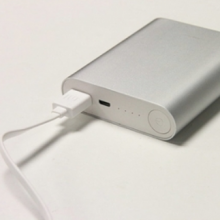
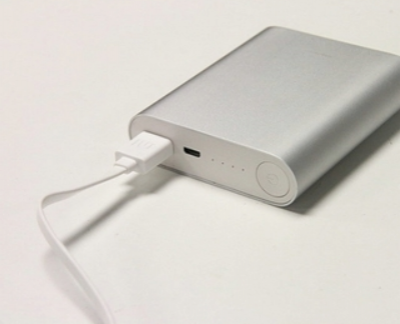
Power banks typically consist of a lithium-ion battery, charging circuit, protective circuit board, and outer casing. Each component significantly impacts the overall product's safety. Lithium-ion batteries, in particular, can cause hazards such as overheating and explosion if mishandled.
Lithium-ion batteries: As the core of a power bank, their capacity and charge/discharge performance directly impact its efficiency and safety. The charging circuit: Responsible for safely transmitting power to the battery and preventing overcharging and over-discharging. The protective circuit: Monitors the battery's status to prevent short circuits, overloads, and other malfunctions. The outer casing material: Must possess excellent pressure resistance and insulation properties to provide physical protection for internal components.
UL Testing Items:
The UL reporting process for power banks includes multiple testing items to ensure the product's safety in everyday use.
Short-circuit testing: Tests the product's response and safety in the event of a short circuit.
Overcharge and over-discharge testing: Ensures that the charging circuit does not overload during charging and discharging.
Shock and vibration testing: Verifies that the product maintains its performance during actual transportation and use. High and Low Temperature Testing: Tests the product's stability under extreme temperature conditions.
Electrical Strength Testing: Ensures the product's resistance to external electrical interference, enhancing safety.
Standards and Regulations:
To ensure the safety of power banks, UL certification relies on a series of standards, such as UL2056, UL62133, and IEC 60950. Each standard specifies specific safety requirements.
Steps for Obtaining a UL Report for a Power Bank:
1. Document Preparation: Provide basic information such as relevant product manuals and samples.
2. Preliminary Evaluation: A professional technical team conducts a preliminary evaluation of the product and provides improvement recommendations.
3. Sample Testing: Comprehensively test the product in accordance with relevant UL standards.
4. Result Analysis: Prepare a detailed test report based on the test results.
5. Certification Issuance: After verification, the UL certification report is issued to ensure legal and compliant sales.

Send Inquiry to This Supplier

You May Also Like
-
Bhutan Telecom Equipment Certification: BICMA Type Approval and RF Testing RequirementsUS$ 100MOQ: 1 Piece
-
Russian FAC Certification Guide: Market Access Requirements for Telecommunications EquipmentUS$ 100MOQ: 1 Piece
-
Qatar CRA CertificationUS$ 100MOQ: 1 Piece
-
Saudi Arabia's SABER Certification Vs. CST CertificationNegotiableMOQ: 1 Piece
-
Jordan TRC Certification Explained: How Do Wireless Products Comply With Jordanian Regulations?NegotiableMOQ: 1 Piece
-
BTK Certification Process in Turkey: A Guide to Type Acceptance for Wireless and Telecommunications Products Entering the Turkish MarketNegotiableMOQ: 1 Piece
-
Wireless Certification in Singapore: IMDA CertificationNegotiableMOQ: 1 Piece
-
WPC Certification ProcessNegotiableMOQ: 1 Piece
-
What is FCC CertificationNegotiableMOQ: 1 Piece
-
Interpreting the Canadian ISED (IC-ID) Certification: Process, Requirements, and Latest Policy AnalysisUS$ 100MOQ: 1 Piece
