Contact Platform Support
 Help Center
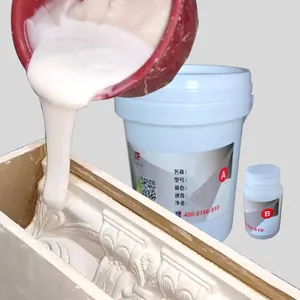
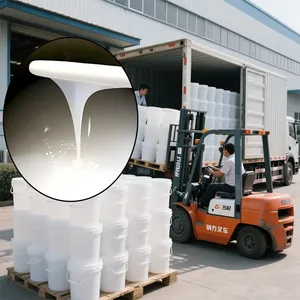
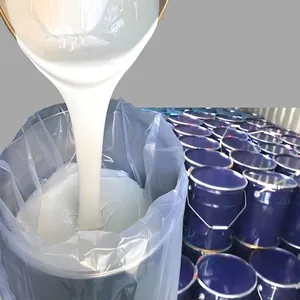
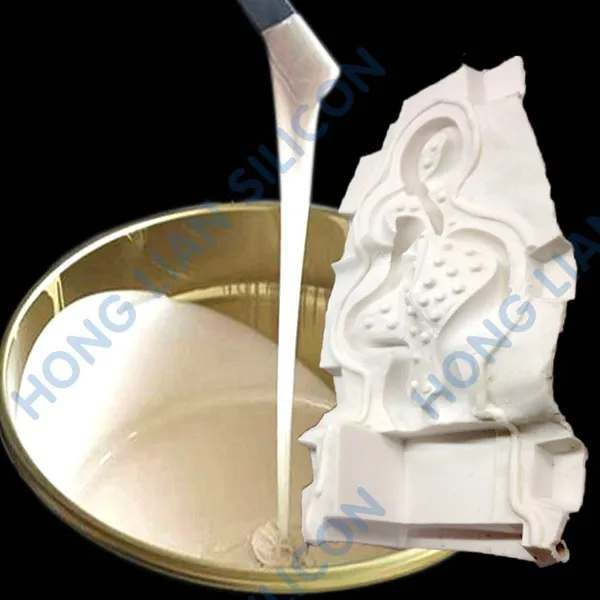
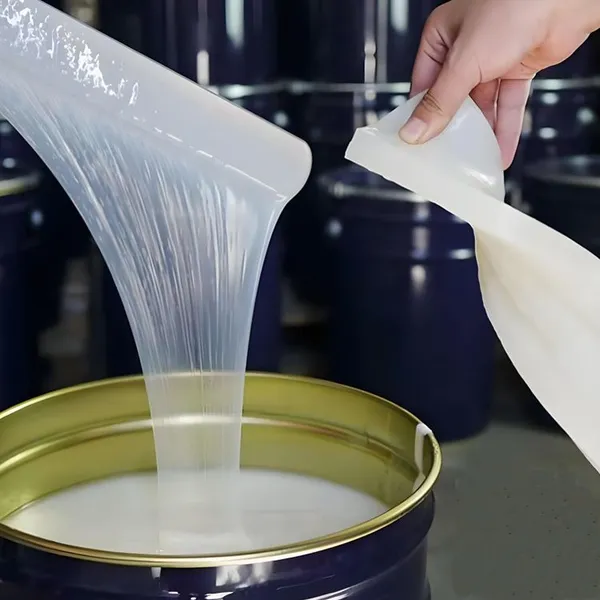
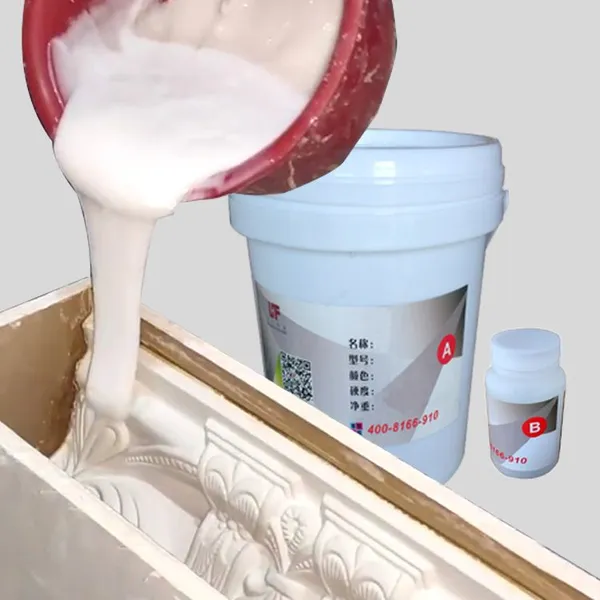
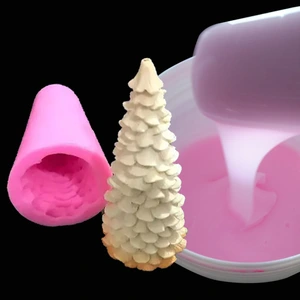
Tin-cured Liquid Silicone Rubber is Specially Designed for DIY Cement Flower POTS. It is Wear-resistant, Tear-resistant and Recyclable


Related Products
-
 Special Silicone RTV2 Flowable Silicone Rubber for European Component Molds The Service Life of the Mold is 50 or More Times.US$ 3.8MOQ: 50 Kilograms
 -
Special Silicone RTV2 Two-component Mold Adhesive for Large-scale European-style Component Moldings Relief Mold Making Mold GlueUS$ 3.8MOQ: 50 Kilograms
-
Two-component Tin-cured Wax Mold Silicone Rubber, Easy to Demold, Resistant to High Temperatures and Tear-resistant, ReusableUS$ 3.8MOQ: 50 Kilograms
-
Durable Candle Mold Silicone Rubber, With Low Shrinkage Rate, Raw Material for DIY Handmade MoldsUS$ 3.8MOQ: 50 Kilograms
-
Special Materials for Wall Tiles, Cement Components and Moldings RTV2 Two-component Silicone Rubber - Low Shrinkage and Easy to HandleUS$ 3.8MOQ: 50 Kilograms
Tin-cured liquid silicone rubber is specially designed for DIY cement flower POTS. It is wear-resistant, tear-resistant and recyclable
For inquiries about tin-cured silicone rubber, please contact sandy via WhatsApp: +86 13662816580
Making cement flower pot models with liquid silicone rubber is a method of batch or personalized flower pot production through the "mold flipping" process, with clear steps and strong operability. The following is the detailed process and precautions:
Material preparation
1. Core materials
Liquid silicone rubber: Select two-component (Component A is silicone and component B is curing agent). It is recommended to use the model with moderate hardness (Shore A 20-30), which is flexible and durable, suitable for complex pattern demolding (food-grade silicone rubber is safer, and ordinary industrial-grade is also acceptable).
Master mold: Also known as "prototype flowerpot", it is used to replicate shapes and can be selected from:
Ready-made plastic/ceramic flower POTS (smooth surface for easy demolding);
Hand-carved models (made of clay, foam, wood, etc., which must ensure that the surface is free of grease and pores);
3D printed models (suitable for complex shapes).
Cement material
Cement: Ordinary Portland cement (grade 42.5 is sufficient), with high strength and easy to shape.
Fine sand: Sieved river sand (impurities removed), mixed with cement to increase strength;
Water: Clean tap water. Control the amount to avoid the cement being too thin.
Auxiliary tools
Container (for stirring silicone rubber and cement, plastic/glass material is preferred);
Stirring rod (silicone/plastic material, to avoid scratching the container);
Mold release agent (Vaseline, soapy water or special silicone rubber mold release agent, used on the surface of the master mold to prevent silicone rubber from sticking);
Electronic scale (precisely controlling the ratio of silicone rubber components A and B);
Vacuum machine (optional, used to eliminate bubbles in silicone rubber; if there is no vacuum machine, manual exhaust is available);
Scraper, tape (for fixing the master mold and repairing the edges of the mold)
Plastic film (for curing cement).

Send Inquiry to This Supplier

You May Also Like
-
The Cement Component Mold is Preferably Manufactured With AB Liquid Silicone Rubber, Which is Corrosion-resistant, Tear-resistant and Easy to Demold.US$ 3.8MOQ: 50 Kilograms
-
High-quality RTV2 Silicone Rubber Composite Material for Manufacturing Cement Wall TilesNegotiableMOQ: 3 Kilograms
-
Composite Material Liquid Silicone Rubber is Used for Manufacturing Mold Carving and Mold DuplicationNegotiableMOQ: 3 Kilograms
-
Solder-cured Liquid Silicone Rubber - Special Glue for Decorative Model Molds - Room Temperature Curing With Low ShrinkageUS$ 3.8MOQ: 50 Kilograms
-
Decorative Model Mold Tin-cured Liquid Silicone Rubber. It Sets Quickly at Room Temperature. Free Sample Available.US$ 3.8MOQ: 50 Kilograms
-
The AB Two-component Flowerpot Casting Silicone Rubber Liquid Mold Material Cures Quickly and the Details Are Well RestoredUS$ 4.5MOQ: 1 Kilogram
-
DIY Flower POTS, AB Two-component Liquid Mold Silicone Rubber Suitable for Cement Resin Material, Easy DemoldingUS$ 4.5MOQ: 1 Kilogram
-
A Must-have for DIY Candles! The Liquid Silicone Rubber Mold Material is Easy to Operate and DemoldUS$ 3.8MOQ: 1 Kilogram
-
A Handcrafted Magic Tool for Candle Molds Made of Silicone Rubber That is Easy to Remove and Heat-resistantUS$ 3.8MOQ: 1 Kilogram
-
High-elasticity Candle Mold Making Liquid Silicone Rubber Vulcanization at Room TemperatureUS$ 4MOQ: 50 Kilograms