Material
Other, Global universal model
Condition
Other, Global universal model
Task
Other, Global universal model
Mathematical Model
Other, Global universal model
Signal
Other, Global universal model
Customized
Non-Customized
Structure
Other, Global universal model
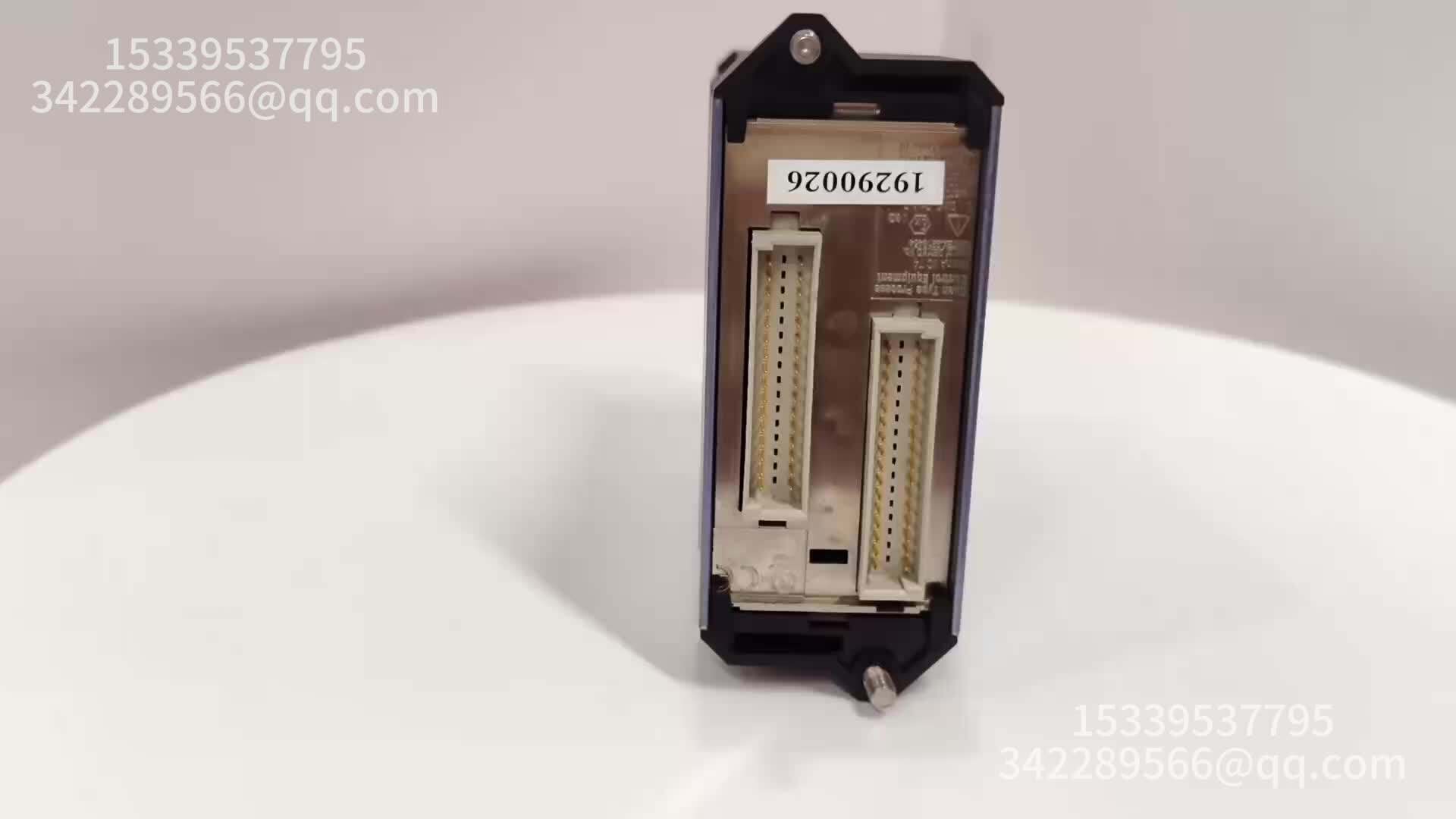
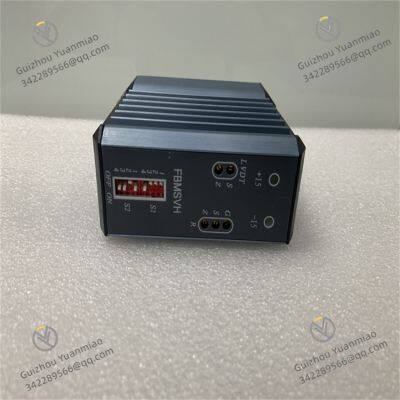
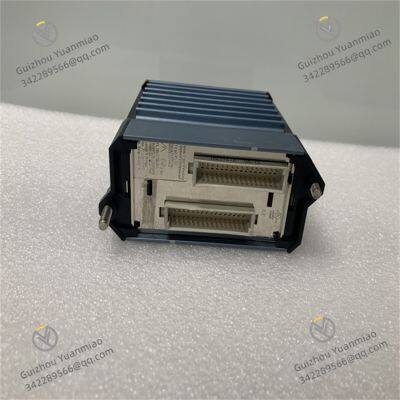
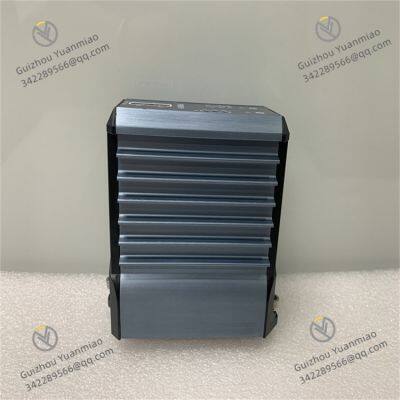
Foxboro FBMSVH
Basic Overview
FBMSVH is a Field Bus Module and a key component of the industrial automation system, primarily used to enable communication, data acquisition, and control functions between field devices and control systems. The module supports multiple industrial communication protocols, adapts to systems such as Foxboro I/A Series and Evo™, and is widely applied in complex industrial scenarios like petroleum, chemical, and power industries.
Core Functional FeaturesMulti-Protocol Communication Support
Compatible with mainstream industrial communication protocols such as Modbus, Profibus DP, and HART, enabling seamless connection with field devices like sensors, actuators, and PLCs.
Supports communication interfaces including RS-232/485 and Ethernet, adapting to physical connection requirements of different devices.
High-Reliability Redundancy Design
Supports dual-bus redundancy configuration (e.g., A/B bus hot standby), automatically switching to the redundant path when the main communication link fails to reduce system downtime risks.
Features power redundancy and fault self-check at the hardware level, enhancing stability in industrial environments.
Flexible Module Configuration and Management
Provides a graphical configuration interface (e.g., FBMSSW software based on Windows/Solaris) for intuitive setup of channel parameters, communication rates, data mapping relationships, etc.
Supports online hot-swappable configuration updates, allowing module maintenance or parameter adjustment without shutdown.
Real-Time Data Integration and Monitoring
Integrates real-time data from field devices (e.g., temperature, pressure, flow) into the Foxboro control system database, supporting historical data storage and trend analysis.
Enables custom alarm thresholds, prompting via system alarms, indicator lights, etc., for rapid fault location when data is abnormal or communication is interrupted.
Powerful Diagnosis and Maintenance Functions
Built-in self-diagnosis mechanism for real-time monitoring of channel faults, power anomalies, communication link status, etc., generating detailed diagnostic reports.
Supports integration with other Foxboro software (e.g., Control Builder, Display Builder) to form a complete automation solution.

Technical Parameters
| Parameter Type | Specific Indicators |
|---|
| Supported Protocols | Modbus RTU/ASCII, Profibus DP, HART, Foxboro proprietary communication protocols |
| Communication Interfaces | RS-232/485, Ethernet (10/100Mbps), Profibus physical interfaces |
| Number of Channels | Typically 4 or 8 channels (specific to model subdivision), with up to 32 slave devices per channel |
| Baud Rate | 9600–115200 bps (Modbus), up to 12 Mbps (Profibus) |
| Data Bits/Stop Bits | 8 data bits, 1/2 stop bits, supporting no/odd/even parity |
| Power Requirements | 24 VDC (±10%), power consumption ≤10 W |
| Operating Environment | Temperature: -40°C–75°C, humidity: 5%–95% (non-condensing), designed for vibration/electromagnetic interference resistance |
| Compatibility | Operating systems: Windows 7/10 (32/64-bit), Solaris 10/11; adapts to Foxboro I/A Series/Evo™ |

Application ScenariosIndustrial Automation System Integration
Connects field instruments (e.g., pressure transmitters, flowmeters, control valves) with DCS systems to achieve data acquisition and control command issuance.
Communicates with devices like PLCs and frequency converters in petroleum refining and chemical production lines to coordinate multi-device collaborative operations.
Process Monitoring and Complex Control
Real-time collects process parameters such as temperature, pressure, and flow, uploading them to SCADA systems for closed-loop control (e.g., PID adjustment).
Supports data interaction with third-party systems (e.g., MES) to facilitate intelligent industrial management.
Equipment Condition Monitoring and Fault Diagnosis
Monitors real-time operating status of field devices (e.g., motor speed, valve opening) through module self-diagnosis, providing advance warning of equipment faults.
Used in power systems to monitor transformer oil temperature, switchgear status, etc., improving equipment maintenance efficiency.

Common Faults and SolutionsCommunication Interruption
Phenomenon: Communication failure between the module and slave devices, with status lights flashing or off.
Causes: Poor cable connection, incorrect communication parameters (e.g., baud rate, address conflict), missing bus terminal resistors.
Solutions: Check cable connections and confirm terminal resistor installation; reconfigure communication parameters via FBMSSW software to ensure unique addresses.
Abnormal or Missing Data
Phenomenon: Collected data does not match actual values, or historical records are missing.
Causes: Communication interference, data mapping errors, improper filtering parameter settings.
Solutions: Use twisted shielded cables to enhance anti-interference; check data point mapping in software and adjust module filtering time (e.g., increase debounce cycle).
Module Fault Alarm
Phenomenon: Abnormal module indicator lights (e.g., constant ERROR light), with system prompting hardware faults.
Causes: Power anomalies, internal circuit failures, improper hot-swapping operations.
Solutions: Check if power voltage is stable; try restarting the module or redownloading configuration files; contact the manufacturer for maintenance or replacement if the issue persists.