








 Contact Platform Support
 Help Center
Rubber Dam


Related Products
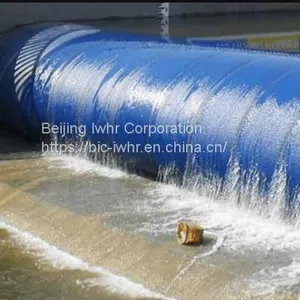
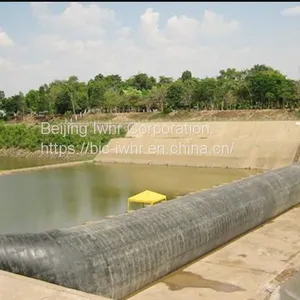
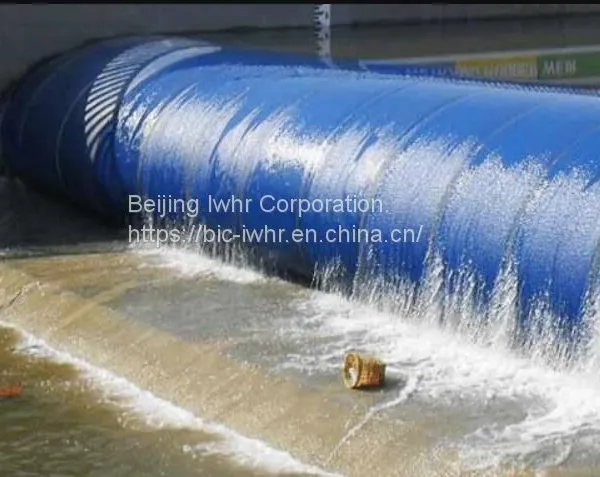
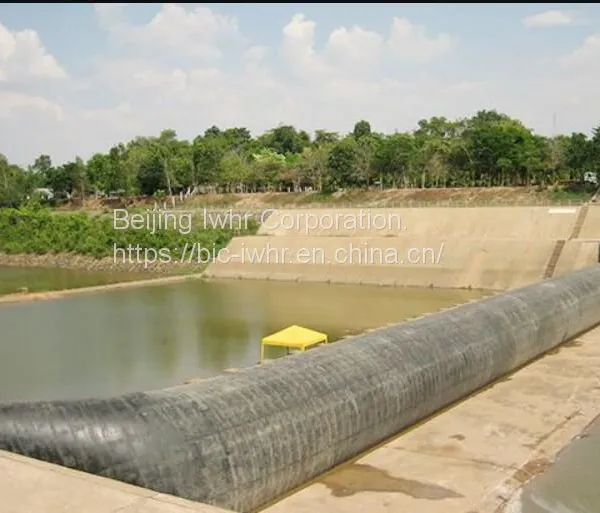
Rubber dam is a new type of hydraulic structure compared with steel sluice gate, and made of high-strength fabric adhering with rubber, which forms a rubber bag anchoring on basement floor of dam. Filling water or air into the dam bag, rubber dam is used for water retention.
River Course Rubber Dam can be divided into inflatable rubber dam and water filling rubber dam according to the filling and drainage methods. The filling and discharging time of the water filling rubber dam is longer than that of the inflatable rubber dam. In terms of cost, the two dam types are similar.
The rubber dam empty water or air from the dam bag, it is used for flood release. The best quality river course rubber dam has gained high reputation for many advantages compared to conventional weirs, such as low cost, simple hydraulic structure, short construction time, perfect seismic performance and effect of stopping leading, and low resistance to water flow in flood season.
Applications
Rubber Dams have wide prospect in the world since they can be used especially for agriculture irrigation, pisciculture, hydropower generation for power station, flood control and water impound, city landscape environmental improvement and recreation purpose. Rubber Dams are not known to have other than beneficial impact on environment and ecology.

Send Inquiry to This Supplier

You May Also Like
-
 Hydraulic Elevator DamUS$ 5200 - 6600MOQ: 1 Bag
 -
Hydraulic Elevator Dam Hydraulic Elevator Dam ManufacturerUS$ 300MOQ: 1 Bag
-
River Flood Control, Farmland Irrigation, Water Conservancy Project, Inflatable Rubber Dam, Shield Dam, Hydraulic Elevator DamUS$ 198 - 200MOQ: 100 Meters
-
0.4m/s 320kg Elevator Small Home Elevator Villa Hydraulic ElevatorsNegotiableMOQ: 1
-
Prestressed Concrete Wire for Hydraulic Dam & Water ConservancyUS$ 550 - 575MOQ: 10 Metric Tons
-
Electric Hydraulic Self-Propelled Elevator Mobile Scissor Lift TypeNegotiableMOQ: 1 Set
-
Excavator Parts PC50 Hydraulic Regulator for Kamatsu PC50MR Excavator Elevator Valve AssyUS$ 3997.19MOQ: 1 Piece
-
Hydraulic Two Post Lift ElevatorUS$ 800 - 900MOQ: 1 Set
-
Hydraulic Elevator Cost With Best PriceUS$ 999 - 5,000MOQ: 1 Set
-
Hydraulic System Lift Valve for ElevatorUS$ 40 - 50MOQ: 10 Pieces


