








 Contact Platform Support
 Help Center
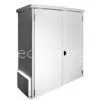
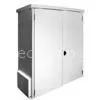
Central Solar Inverter Enclosure , Pad Mounted Commercial Enclosure


Related Products
-
 Metal 550W Solar Pump Inverter Power Supply Enclosures With LCD DisplayUS$ 10 - 50$MOQ: 1 Set
 -
Metal ATM Cabinet Enclosure , Automated Banking Machine EnclosureUS$ 12 - 35$MOQ: 1 Piece
-
12KW Metal Charging Station Cabinet With Plating SurfaceUS$ 6 - 30$MOQ: 1 Set
-
Iron , Stainless Steel Charging Station Cabinet For Electric VehicleUS$ 6 - 30$MOQ: 1 Piece
-
Metal Charging Station Cabinet , Electric Vehicle Station EnclosureUS$ 6 - 30$MOQ: 1 Set
Certification:ISO9001:2008
Central Solar Inverter Enclosure , Pad Mounted Commercial Enclosure
Quick Detail:
Central Solar Inverter EnclosureDescription:
Pad Mounted Commercial Enclosure
Specifications:
|
inverter noise levels at variousdistances with four inverters ai IM7 |
||||
|
location of source |
noise level |
receiver |
distance from |
noise level |
|
dBA |
Feet |
Leq / dBA |
||
|
I10(3) |
64 |
RM6 |
800 |
40 |
|
IM5(3) |
64 |
360 |
47 |
|
|
IM7(4) |
65 |
2040 |
33 |
|
|
I10(3) |
64 |
|
1280 |
36 |
|
IM5(3) |
64 |
1800 |
33 |
|
|
IM7(4) |
65 |
216 |
52 |
|
|
I10(3) |
64 |
R11 |
224 |
51 |
|
IM5(3) |
64 |
544 |
43 |
|
|
IM7(4) |
65 |
1336 |
36 |
|
|
Note: Location of inverter pads can be see on figure 3 |
Specifications:
Electrical interference can be in the form of radio waves emitted from a device (termed RFI – radio-frequency interference) or can be non-radiated, such as line noise coming in from power or control lines (termed EMI – electromagnetic interference). Nearly all consumer appliances and electronic equipment sold today must comply with FCC part B - which regulates the maximum amount of EMI that devices can radiate. But nearly all DC and solar equipment is exempt from Part B, which means that they can put out much more EMI and still be legal. In the case of grid-tied PV inverters, the IEEE 1547, UL 1741 and FCC Part 15B standards specify the guidelines to control the harmonic contents of the output current and EMI generation in the inverter. These guidelines guarantee that inverters do not generate excessive noise and harmonics, which can contaminate the AC grid voltage.
Applications:
Electrical interference is a problem that might be encountered with solar power system electronics. Any digital electronic equipment produces at least some noise and nearly all equipment now used in PV systems is digital. The most common problems arise from charge controllers and many inverters (particularly modified sine wave inverters). Nearly all charge controllers send power to batteries in the form of pulses and high power digital pulses are one of the worst interference sources.
Competitive Advantage:
Noise emissions from inverters are generally reduced by a combination of shielding, noise cancellation, filtering, and noise suppression. Metal enclosures are common for inverters and some other equipment. The use of shielded, twisted pairs for wiring is a common and effective practice. Filtering is a common feature of nearly all electronics.The most common method is to use capacitors across a signal line or wire to ground to get rid of the noise. More recently, the use of noise suppression provided by ferrite chokes, cores, and bea

Send Inquiry to This Supplier

You May Also Like
-
Soap DishNegotiableMOQ: 2700 Pieces
-
Bathroom Soap RackUS$ 1 - 30MOQ: 3000 Pieces
-
Acrylic Soap DishUS$ 0.35 - 0.85MOQ: 4000 Pieces
-
Bamboo Soap DishUS$ 0.2 - 1.5MOQ: 2000 Pieces
-
Natural Wooden Soap DishUS$ 0.1 - 1.5MOQ: 1000 Pieces
-
2013 Ceramic SoapboxUS$ 0.8 - 5MOQ: 2999 Pieces
-
Soap Holder,cartoon Soap Dish Holder,bathroom Accessories,promotion GiftsNegotiableMOQ: 5000 Pieces
-
Bathroom AccessoriesNegotiableMOQ: 12 Pieces
-
Creative Non-perforating Soap Box Bathroom Double Layer Asphalt Soap Rack Toilet Wall-mounted Soap Box ShelfNegotiableMOQ: 1
-
Wire Hanging Soap Case P-1313US$ 1 - 2MOQ: 2000 Pieces


