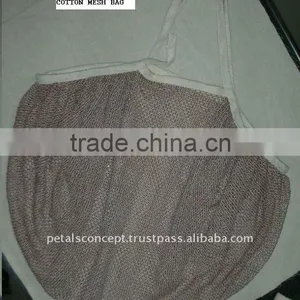
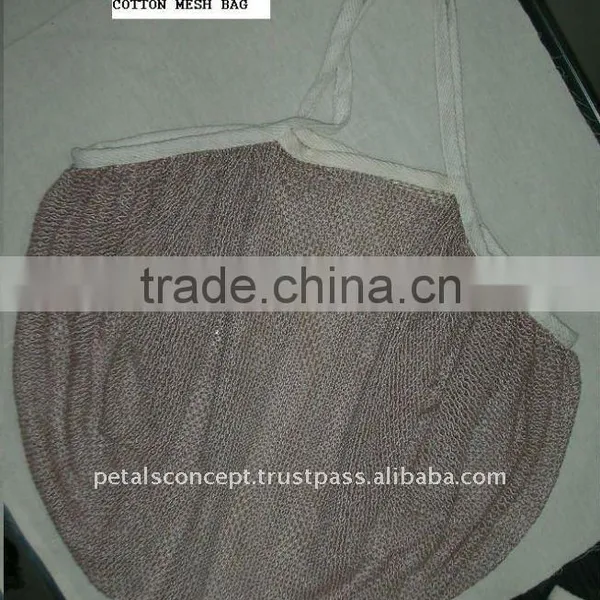
Cotton Mesh Bag

Cotton Mesh Bag photo-1
US$ 0.95 - 4 MOQ: 1000 Pieces
Key Specifications
Get Latest Price
Material:
Cotton
Style:
Other, Cotton Web Handle
Place of Origin:
West Bengal, India
Payment & Shipping
Payment Methods:
Port of Shipment:
Kolkata
Delivery Detail:
Delivery time depends on order quantity.
Material Cotton
Style Other, Cotton Web Handle
Place of Origin West Bengal, India
Brand Name bagsonline
Model Number 1952

Cotton mesh bag with Web handle   

Wide range of bags are available on our web www bagsonline.in , in different classifications.

Selling the best branded Cottonbags - Canvasbags. 

Cotton is Bio - degradeable , Re-useable , Re-cycled , Eco - friendly , Environment friendly etc.

Cotton is available in Natural & all type Dyed Colour shade

Cotton bags are available in varieties of Handles like , Jute Handle , Cotton Handle , Cotton Tape Handle , Cotton Cord Handle , Cane Handles , Leather Handle , Immitation Leather Handle , Wooden Handles etc

Cotton bags can customize in any size according to Buyer requirement

Cotton bags can use in Promoting brand

We can put Logo on Cotton bag by the method of Screen print & embroidery

www.bagsonline.in is best place to buy Mesh Bags

Use for Grocery Shopping , Promotion Activity , Advertisement , Gift etc

Heavy duty high Quality bags

Logo customization can done against customer requirement

Natural color is available & more color option can done on customer requirement

Logo branding can done through Screen print / embroidery

Customize label can put on bag on customer demand

In House Inspection facility

High Quality raw material use in stitching these bags for better result & high durability

Raw Material Used in producing these bags

Cotton Fabric

Three ply thread for stitching & all locking seams

Web used for locking inside seams

Cotton Web Handle  

Packaging Material

Poly Packet for packing

BOPP Brown tape for Box sealing

PP strap for straping of cartons

7 Ply corrugated box

Print labels to put on packed cartons

Machine & Instrument used in producing these bags

Cutting Machine

Lock stitch Machine

Scissor

Measurement Tape

4 Thread interlock Machine

Thread Trimming Machine  


Production & finished bag images


Cotton mesh bag


Cotton mesh bagCotton mesh bag


Cotton mesh bagCotton mesh bagCotton mesh bag

What is Cotton

Cotton is a soft, fluffy staple fiber that grows in a boll, or protective capsule, around the seeds of cotton plants of the genus Gossypium. The fiber is almost pure cellulose. Under natural condition, the cotton balls will tend to increase the dispersion of the seeds.


The plant is a shrub native to tropical and subtropical regions around the world, including the Americas, Africa, and India. The greatest diversity of wild cotton species is found in Mexico, followed by Australia and Africa.[1] Cotton was independently domesticated in the Old and New Worlds. The English name derives from the Arabic (al) qutn which began to be used circa 1400 CE.[2] The Spanish word, "algodón", is likewise derived from the Arabic.


The fiber is most often spun into yarn or thread and used to make a soft, breathable textile. The use of cotton for fabric is known to date to prehistoric times; fragments of cotton fabric dated from 5000 BCE have been excavated in Mexico and the Indus Valley Civilization (modern day Pakistan). Although cultivated since antiquity, it was the invention of the cotton ginthat so lowered the cost of production that led to its widespread use, and it is the most widely used natural fiber cloth in clothing today.


Current estimates for world production are about 25 milliontonnes annually, accounting for 2.5% of the world's arable land. China is the world's largest producer of cotton, but most of this is used domestically. The United States has been the largest exporter for many years.[3]

How can cotton fabric produce


Cotton is harvested around six to seven months after it is planted and must then go through a number of different processes before it becomes a fabric. The cotton producing process has been modernized with computers and machines to increase speed and efficiency in the cotton industry.


Ginning

Producing cotton fabric begins in the cotton fields when the crop is harvested. Ginning is conducted by machine in the cotton field with the fibers of cotton separated from the seed pods and sticky seeds that they are often attached to. The cotton fibers are then dried and baled into large bags and transported to the textile mill.


Spinning

Spinning begins with the automated opening of cotton bails followed by the blending of a variety of fibers from different bales to make a uniform blend of cotton. The cotton fibers are then passed through a machine called a carding machine that cleans the cotton and creates a thin web of fibers. The automation of carding machines allows the processing of over a hundred pounds of cotton per hour. The thin web of fibers is formed into a thicker blend of fibers in a funnel-shaped machine called a trumpet to produce what is called a sliver of cotton. Up to eight of these rope-like slivers are combined in a drawing machine to produce a blend of cotton that is the required thickness or count for the type of fabric to be produced.


Weaving

The cotton is wound tightly onto bobbins or tubes to begin the weaving process. Two yarns wound onto bobbins are placed onto a weaving machine to move in different directions called weft and warp. These two yarns are crossed in succession to create a piece of fabric.


Treatments

The woven piece of cotton can next go through a number of treatments to improve the quality of the fabric. Not all pieces of cotton go through every process due to quality and cost restrictions. Some of the treatments cotton can go through include scouring, where a specific area of the fabric is cleaned. Bleaching brightens and lightens the fabric, while dying adds color to the cotton fabric.


Finishing

The quality of the fabric at the finishing stage is improved with the addition of chemicals and other agents. For example, cotton can be treated with finishing chemicals including sun-protecting agents to give the fabric a UV protection rating.

Send Inquiry to This Supplier

Message
0/5000

Want the best price? Post an RFQ now!
Business Type
Manufacturer
Year Established
2002
Factory Size
3,000-5,000 square meters
Total Employees
101 - 200 People

Recommended Categories

Explore top categories and find suppliers for your specific needs