








 Contact Platform Support
 Help Center
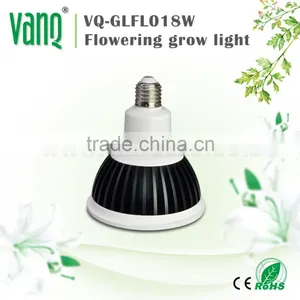
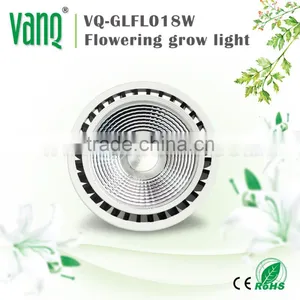
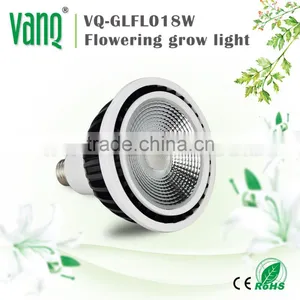
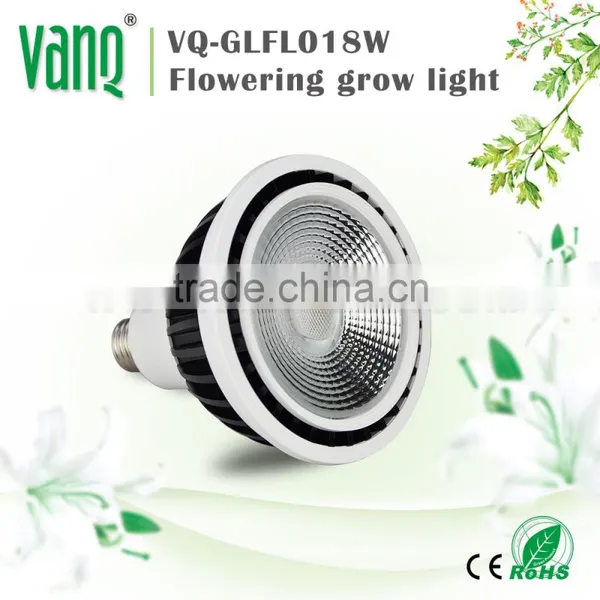
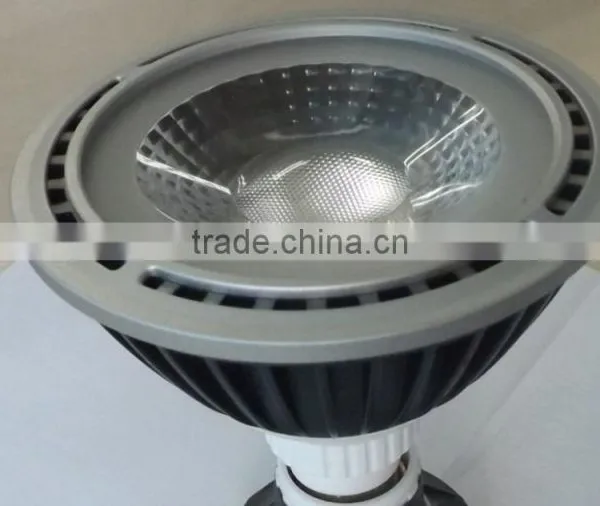
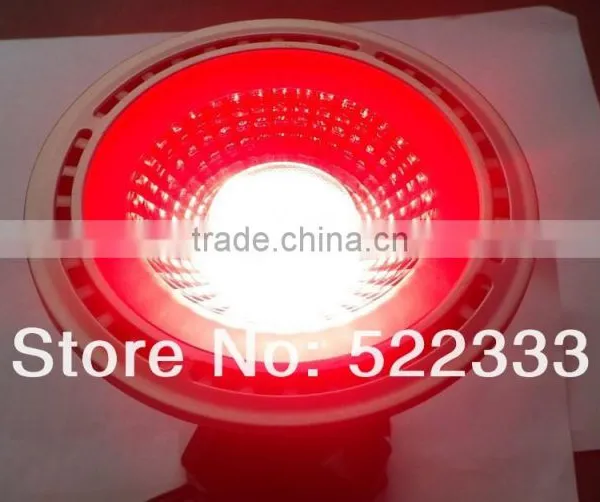
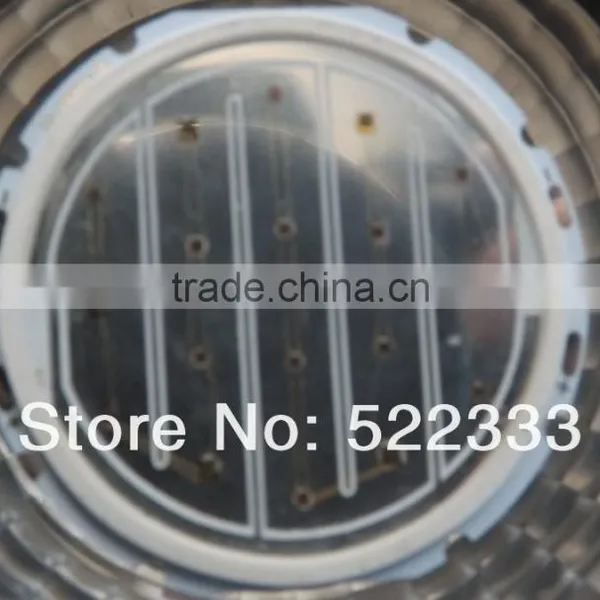
Par Led Grow Light Cob Led Grow Light Cob Led Work Light


Related Products
-
 Aluminum 10w High Power Led Heatsink Led China WholesaleUS$ 0.9 - 10MOQ: 100 Pieces
 -
Constant Current Waterproof Driver Led Light DriverUS$ 9 - 14MOQ: 1 Piece
-
100W Full Spectrum Led Chip in Red Phosphor for Hydroponic Growing SystemsUS$ 1 - 30MOQ: 1 Piece
-
Vanq 100w Full Spectrum Led Chip for Led Grow Lights Best Selling ProductsUS$ 1 - 30MOQ: 1 Piece
-
100W Full Spectrum COB Led Chip in Red Phosphor for Led Grow LightUS$ 1 - 30MOQ: 1 Piece
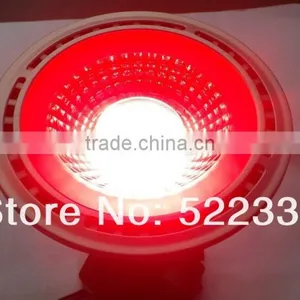
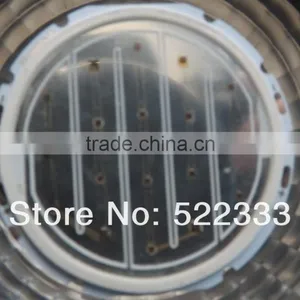
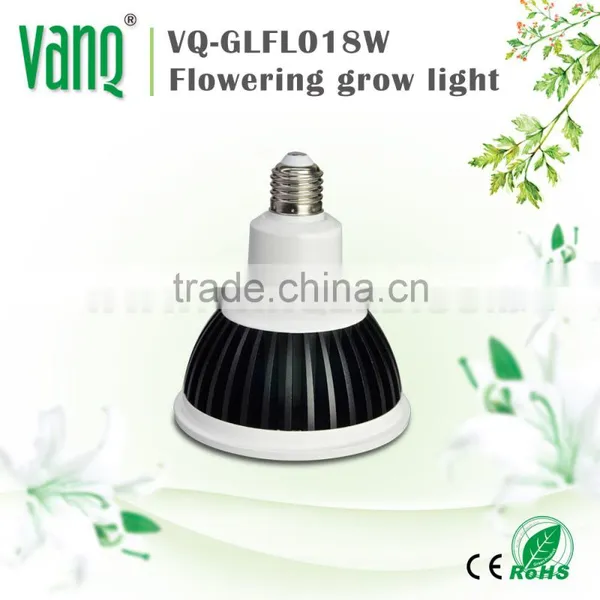
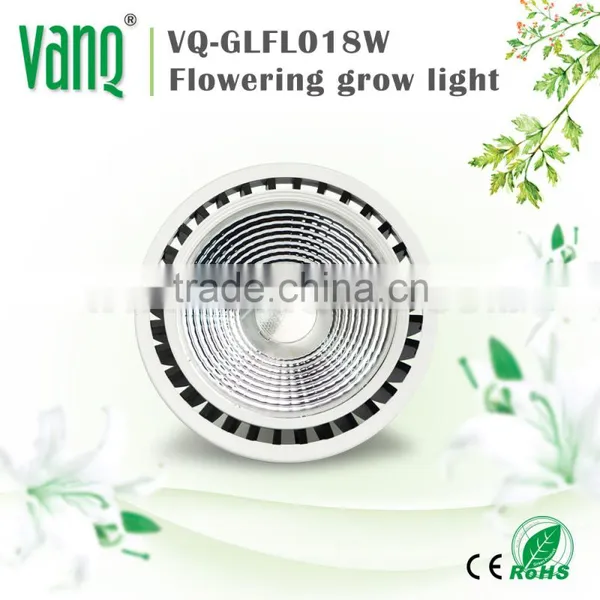
par led grow light
Help your plant grow faster and stronger !
Maximum your yield,big dense your flower !
Parameter about PAR 38 LED grow light
| Power | Items | Parameters | Items | Parameters |
| 18W | Size | 121*120 | Working Temp. | -20°-50° |
| Input Voltage | AC85~265V | Lifespan | ≥50,000 h | |
| Power | 18W COB | Color | red,far red | |
| Working Rate | 50/60 Hz | Ratio | 660nm:730nm=2:1 | |
| Base | E27 | Beam angle | 90 degree | |
| IP grade | IP44 | Substrate Board | aluminum board | |
| Warranty | 2 years | Net Weight | 370g |
Our company could offer,630nm,660nm,450nm,470nm,610nm,380nm,730nm .etc wavelengths,the color ratio could be customed.
Advantage of our LED Grow Light
- Colors: red, blue, orange and IR or Wavelength customized
- High efficiency, save 85% power consumption
- Save electricity bills, save money for the end user
- No need outside power supply, convenient to use
- Use built-in switching mode power supply, above 97% efficiency
- Emit the wavelength of light which can be fully absorbed by the plants to photosynthesis
- Promote the plants growth, budding, and flowering
- Use kinetic theory of air to solve the heat problem
- No infrared ray and ultraviolet radiation
- Can be directly placed above the plants, no scorching at all
- Lighting and vibration protection
- Easy to install and use, plug into the electric outlet (AC 85-265V) directly
- Running quiet and cool, no need heat-removal equipment
- Ideal for all phases of plant growth
- Plug-and-play grow light/no need any accessories
- Any plug are available
- CE,RoHS,FCC,UL for power supply
- Good after-sales service, 2 years warranty
The Truth about Wavelengths
Traditionally, successful indoor hydroponic lighting solutions employed powerful High Intensity Discharge (HID) lights in order to simulate the intensity and required wavelengths for Photosynthesis. It is an adequate solution but a very inefficient one. Even the highest quality High Pressure Sodium bulb produces only 30% of usable wavelengths for photosynthesis, with 70% of the light completely wasted. This loss can be measured by specialty scientific instruments and advanced light spectrum analysis devices. Traditional HID lighting systems consume more power, produce an inefficient spectrum, and produce significant heat. These factors contribute to a very high operational cost and the need to address cooling solutions which can come with additional energy requirements of their own.
LEDs have existed for almost 50 years, but until recently, they lacked the light output and energy efficiency necessary to make them a viable alternative to traditional lighting solutions. Since 2008 the lumen output per watt of LEDs has doubled, and the best LEDs are now on par with HID lights in terms of lumens/watt with one exception, they are far more efficient.
Based on research done by scientists at Cornell University and other horticultural centers, Lighthouse Hydro has developed LED lighting products that optimize the usable light wavelengths absorbed by your plants. Neither HPS nor MH bulbs provide significant light output below the 580nm wavelength. This means that one of the largest portions of the light spectrum used by plants (420-455nm) is not supplied by either HID product. Additionally, the majority of HID output is in the green-yellow spectrum which is not only reflected by plants but also barely used in Photosynthetic reactions. The most important wavelengths for plant growth and flowering is found at the 420nm, 450nm, 630nm, and 660nm wavelengths. Red is more important for flowering and yields, and blue more important for node intervals & faster growth and absorption. We deliver these wavelengths, scientifically balanced for maximum efficiency. What once was 70% of light wasted is now light harvested. Lighthouse Hydro LEDs use a optimized blend of individual 60 degree, 90 degree, and 120 degree LED chips. In the configuration Lighthouse Hydro has designed, light coverage for the grow area is maximized and light penetration is increased when compared to lights using a single spread angle LED light.
<img src="/img/pb/570/926/654/654926570_832.jpg" alt="Houyi led grow light let you gain more harvest new design waterproof led plant grow light strip" ori-width="600" ori-height="329">
Not all light is created equally. And neither are LED lights! At least not as far as plants are concerned. HPS, MH and T5 bulbs produce a spectrum that is fixed and based on the filament or phosphors in the bulb. Even the industry's best bulbs are only 32% efficient.
The above graph is the output of one of the leading HPS bulbs in the market. As you can see the majority of light emitted is in the yellow and green spectrum. These colors are NOT used by plants (hence the reason the leaves are colored green, they reflect it!)
Lighthouse Hydro UV LED lights use a specific ratio of individual LEDs to maximize the vegetative growth and flowering production of your plants. With a greater percentage of individual LEDs in the red spectrum, and the added Ultraviolet spectrum to signal day and night light cycles that naturally occur in nature, use of the UV light will result in faster flowering times and greater yield for your plants.
The graphs speak for themselves. Neither HPS nor MH provide much lumen output under 580nm. This means that the largest portion of lights used by plants 420nm-455nm is not supplied by either light solution. The peak lumen output is 580nm, 595nm & 615nm. As you can see, that translates into a loss of about 70% efficiency when overlaid with the light used by growing plants. Thus, a 40,000 400W HPS bulb translates into 12000 actual usable lumens. These charts are available from the HID bulb manufacturers and widely distributed, touting that they are closest to the natural light output of the sun. The most important thing is, plant's don't use all the light from the sun, they flourish when very specifically tailored wavelengths are used.
♦Why is blue light important for plants?
Blue light stimulates Chlorophyll production more than any other color, encouraging thick leaves, strong stems and compact vegetative growth.
Blue color is good for leaf and root growing.The wavelength have 450nm and 470nm, if your botany only leaf ,we recommend us 470nm, if you wanna it is good for root, so we recommend use 450nm
♦Why is red lightimportant for plants?
Red light is very important to plant reproduction. Phytochrome pigments absorb the red and far red portions of the light spectrum and regulate seed germination, root development, tuber and bulb formation, dormancy, flowering and fruit production
red is good for blooming ,the wavelength is 660nm and 630nm, if you plant flower,we recommend you use 630nm, if you plant blossom and yield fruit,we recommend you choose 660nm
Application :
Hydroponics ,greenhouse ,indoor garden grow tent plant etc.
Sale Serivice:
Any questions / problems you met, welcome to contact us for technical support.
Our Web:
About US
Shenzhen VANQ Technology Co., Ltd. branches into LED industry in 2007. Adhering to "Science and Technology Innovation, Leading the Future "Philosophy. We commit to R&D, production and sales of LED grow light and high power LED., offering Quality & Energy-saving Green led lights to users all over the world. What's more, our lights received good comments from clients over worldwide, especially VANQ X4 series 300w led grow lights.
During three years of steady development, we seize the opportunities to the development of LED industry by rich technology and talent strength. There are complete sets of advanced production line, quality control and test system for high power led source 1-500w. The capacity of the high power LED reach 2500KW per month.
We have a professional R&D and manufacture team on LED grow lights., possess a nice ability to develope and produce independently. With strict quality control system set up, greatly ensured standard operation and products quality. We can offer lighting solutions to specified plants, formed with complete led grow light series to meet with different plant needs against different environment.
All the Light Science You Need to Know to Grow a Plant
Now you know all the light science you need to know to grow a plant. Do yourself a favor and stop researching more about this. I know that sounds pushy, but I’ve seen too many people get bogged down at this point in their plant growing journey. People spend hours and hours researching when what they really need to do is learn the basics, move on, and start growing and experimenting. Move on to step 2 by reading my next article about determining which type of grow light is best for your situation, choose the type that you think most closely fits your situation, purchase the thing, and for heaven’s sake start growing (this is where you will find the true happiness that comes from gardening).

Send Inquiry to This Supplier

You May Also Like
-
China Shenzhen Manufacturer High Quality 100W 200W 300W 500W 1000W 2000W 120W LED Plant Grow Light FactoryUS$ 75 - 175MOQ: 1 Piece
-
1000W Horticulture Double Ended HPS Grow LightUS$ 30 - 140MOQ: 100 Sets
-
Mini Hydroponic Smart GardenUS$ 0.0001 - 0.0001MOQ: 200 Pieces
-
Full Spectrum Grow Light LED 10W E27 AC 85V - 265V Grow Lamp Bulb for Flowering Plant,hydroponics System 4pcs/lotsUS$ 0.1 - 100MOQ: 1 Piece
-
Amazon Hydroponic Gardening Smart Planter and Vegetable Planter for Indoor Soilless CultivationUS$ 18.46 - 20.31MOQ: 1 Set
-
T8 Grow Lights | Led Grow Lights | t8 Plant Lamp | T8 Grow Light TubeUS$ 10MOQ: 100 Pieces
-
Indoor Growing-enhanced Efficacy Hassle-free Inter-locking Led Grow Module for Plant Indoor GrowingUS$ 70 - 160MOQ: 5 Pieces
-
T8 Full Spectrum LED Plant Growth LampNegotiableMOQ: 100 Boxes
-
Hishine PG03 Full Spectrum LED Plants Grow Lights for Greenhouse PolytunnelUS$ 94.8 - 392MOQ: 1 Piece
-
Hishine PG01 200w 300w 500w 600W Sunlight Full Spectrum Planting LED Grow LightsUS$ 144 - 900MOQ: 5 Pieces


