








 Contact Platform Support
 Help Center
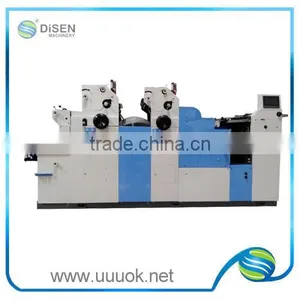
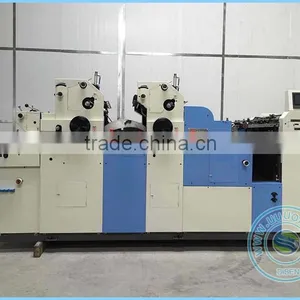
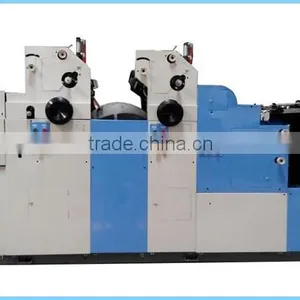
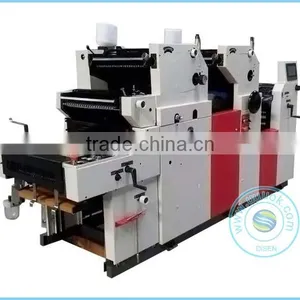
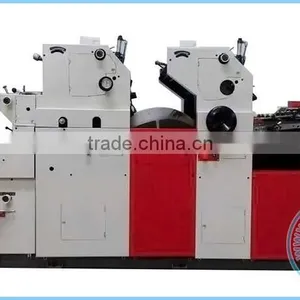
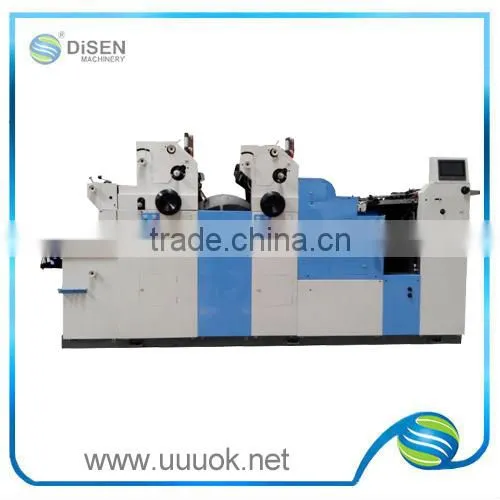
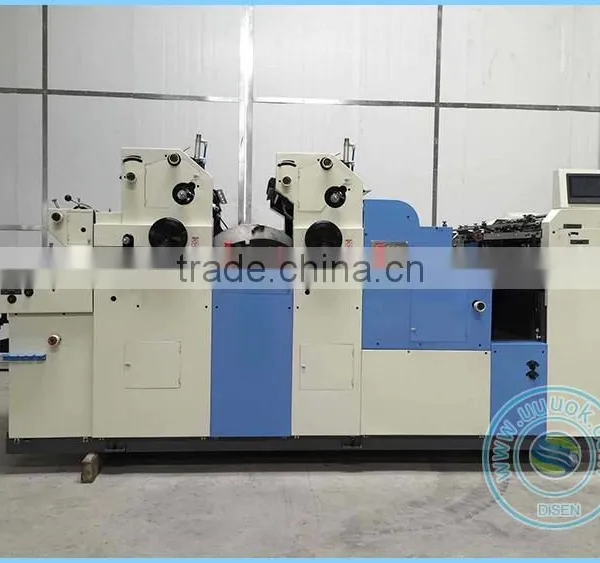
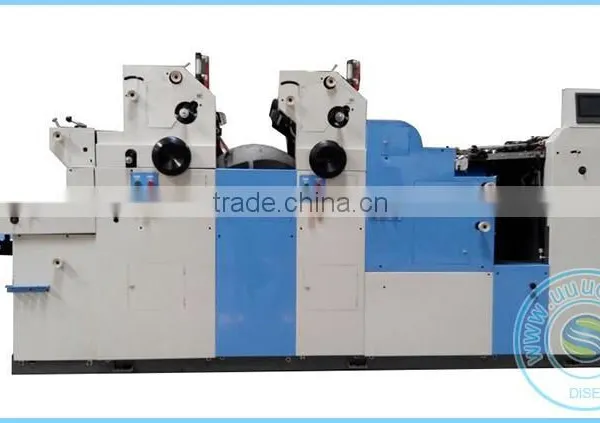
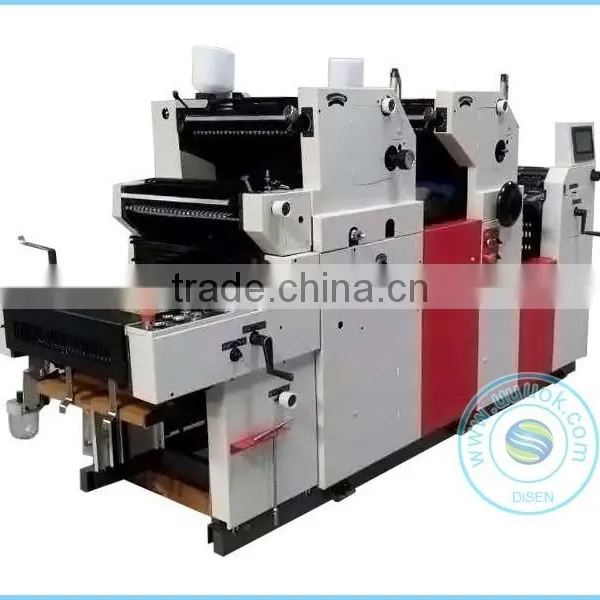
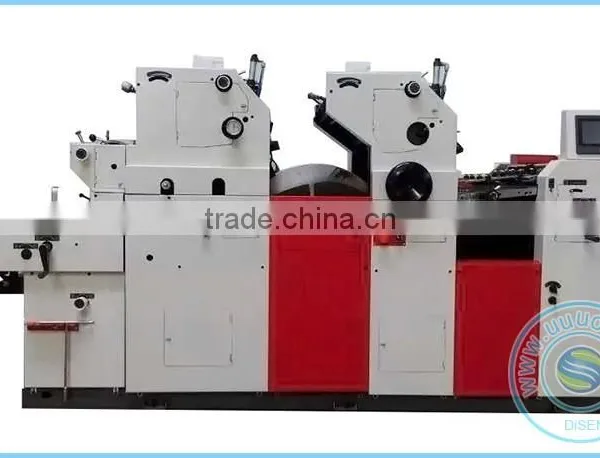
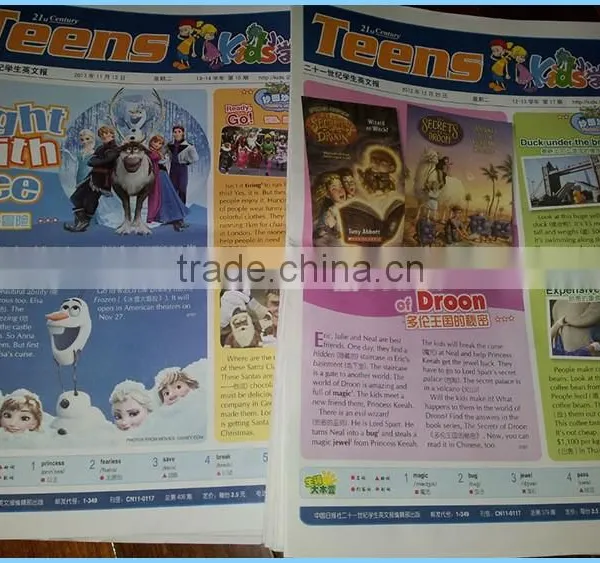
Two Color Coding Hamada Offset Printing Machine


Related Products
-
 Artificial Satellite Double Color Dual Coding Baby Offset Printing Machines PriceUS$ 4,015 - 5,075MOQ: 1 Set
 -
Newest Touch Screen Computer Control Cheap 4 Color Offset Printing MachineUS$ 22,500 - 27,000MOQ: 1 Set
-
Digital Control Industrial 3 Color Offset Printing Machine for SaleNegotiableMOQ: 1 Set
-
Disen Factory Outlet High Precision Single Color Offset Printing Machine Price ListUS$ 3,180 - 4,090MOQ: 1 Set
-
High Precision Double Coding Single Color Offset Printing Machine PriceUS$ 7,600 - 8,790MOQ: 1 Set
|
Features: Using 120 ° heavy machine three drum angle, wall thickening, the printing color than the horizontal machine is more full, uniform, easy to install version, unloading version, the operation more convenient and fast. Each with three ink two water, a more comprehensive system for the ink, the maximum guarantee of the full version of the printing ink supply and inking effect, to ensure the completion of high-precision printing quality. And a two-color printing can be completed, the transfer of a unique paper transfer, the error is small, to ensure the quasi-precision of two overlay. So that color printing, network cable pressure, clear pattern, bright color does not string color. Greatly improve the efficiency and reduce production costs, and fully embodies the characteristics of the short version of fast printing.
Technical Parameters:
Features: 1) 120 ° heavy machine with three drum angles and thick wallboard. 2) compact structure, small footprint. 3) Each ink set adopts three ink two water structure, with water evenly ink, printed goods shop full clear 4) The water, ink, pressure are used pneumatic control, easy to operate, stable performance. 5) The transfer paper part of the unit adopts the whole roller transfer paper structure, the paper is smooth and the printing is accurate. 6) with non-stop cable-stayed version, version of roller shaft fine-tuning device, version of the fast, convenient, high efficiency. 7) The electrical part adopts the advanced PLC control system, the degree of automation is high. 8) Toppan Printing (resin version), coding, pressing the rice noodle can be completed (optional).
Pneumatic control features: 1. The pressure between the printing plate cylinder, the impression cylinder and the blanket cylinder adopts the pneumatically combined pressure, which is easier to be damaged under the tie bar mode than the traditional electromagnet pull rod type structure. And the pressure stability, network clear, good reduction. 2. Dial code with pneumatic mode, compared with the traditional solenoid-type rod, especially in the printing with no carbon copy paper jump code, the reaction is fast, easy to error. 3. Pneumatic control of vertical rice noodle, horizontal rice noodle knife, instead of the traditional rice noodles can not be free to jump characteristics, according to the need to set the number of jumps. Pneumatic control can make the pressing pressure more stable. 4. Automatic lubrication oil supply system. Can be based on the machine running automatically to the machine lubrication.
| |||||||||||||||||||||||||||||||||||||||
|
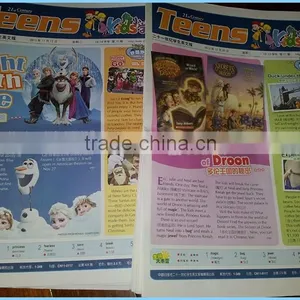
Offset printing is a commonly used printing technique in which the inked image is transferred (or “offset”) from a plate to a rubber blanket, then to the printing surface. When used in combination with the lithographic process, which is based on the repulsion of oil and water, the offset technique employs a flat (planographic) image carrier on which the image to be printed obtains ink from ink rollers, while the non-printing area attracts a water-based film (called “fountain solution”), keeping the non-printing areas ink-free. The modern “web” process feeds a large reel of paper through a large press machine in several parts, typically for several metres, which then prints continuously as the paper is fed through. Development of the offset press came in two versions: in 1875 by Robert Barclay of England for printing on tin, and in 1904 by Ira Washington Rubel of the United States for printing on paper. Offset printing process Offset printing process consists of several parts: In this process, ink is transferred from the ink fountain to the paper in several steps: Web-fed refers to the use of rolls (or “webs”) of paper supplied to the printing press. Two color coding hamada offset printing machine,Offset web printing is generally used for runs in excess of five or ten thousand impressions. Typical examples of web printing include newspapers, newspaper inserts or ads, magazines, direct mail, catalogs, and books. Web-fed presses are divided into two general classes: coldset (or non-heatset), and heatset offset web presses; the difference being how the inks that are used dry. Cold web offset printing dries through absorption into the paper, while heatset utilizes drying lamps or heaters to cure or “set” the inks. Heatset presses can print on both coated (slick) and uncoated papers, while coldset presses are restricted to uncoated paper stock, such as newsprint. Some coldset web presses can be fitted with heat dryers, or ultraviolet lamps (for use with UV-curing inks). Two color coding hamada offset printing machine,This can enable a newspaper press to print color pages heatset and black & white pages coldset. Web offset presses are beneficial in long run printing jobs, typically press runs that exceed ten or twenty thousand impressions. Speed is a determining factor when considering the completion time for press production; some web presses print at speeds of 3,000 feet per minute or faster. In addition to the benefits of speed and quick completion, some web presses have the inline ability to cut, perforate, and fold. Heatset web offset Coldset web offset Sheet-fed offset
|

Send Inquiry to This Supplier

You May Also Like
-
Offset Printing MachineNegotiableMOQ: 2300 Sets
-
Non Woven Bag Printing MachineNegotiableMOQ: 1 Set
-
Keestar 80WBCP Automatic pp Woven Bag Printing MachineNegotiableMOQ: 1 Set
-
Taiwan Servo Motor Driven Flatbed Offset Printer Full Color Printing Machine Metal Plate Printing MachineryUS$ 28000 - 29999MOQ: 1 Piece
-
High Accuracy 2 Color Customized Aluminum Plate Offset Printing MachineUS$ 13900 - 21900MOQ: 1 Set
-
Selling Heidelberg Printing EquipmentNegotiableMOQ: 1 Set
-
KZX-320 Intermittent Offset Label Printing Machine (PS Plate)NegotiableMOQ: 1 Set
-
China Professional Automatic 4 Colour Offset Printing Machine PriceNegotiableMOQ: 1 Set
-
CH-320 Factory Price Self Adhesive Label Film Laminating MachineUS$ 120,968 - 158,066MOQ: 1 Set
-
Home Adhesive Sticker Printing Machine LTA-460US$ 20,000 - 48,000MOQ: 1 Set


