








 Contact Platform Support
 Help Center
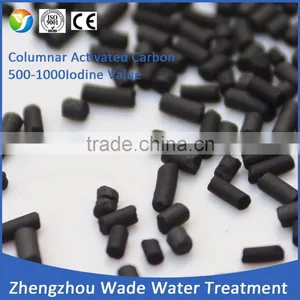
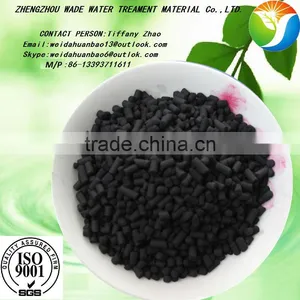
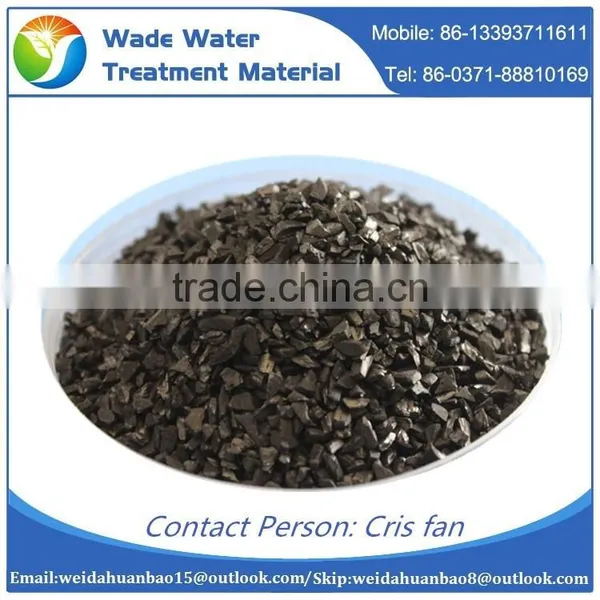
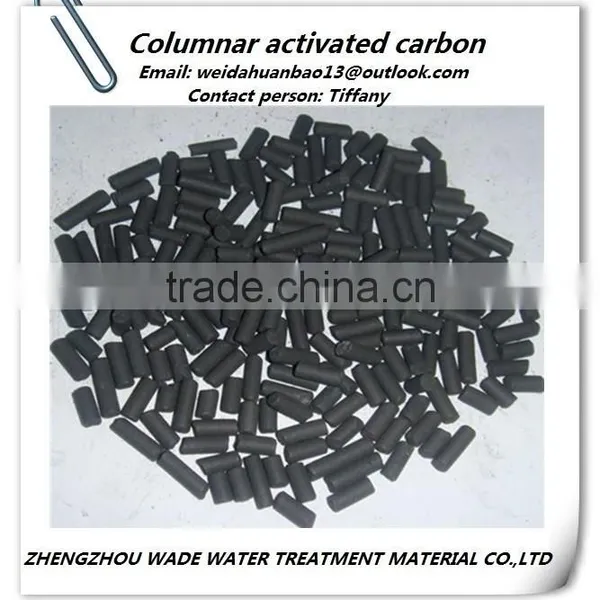
Coal-based Columnar Activated Carbon for Water Purification in Chemical Industrial



Related Products
-
 Activated Carbon Good QualityUS$ 490 - 490MOQ: 1 Metric Ton
 -
Activated Carbon for Water Treatment New ProductsUS$ 490 - 490MOQ: 1 Metric Ton
-
Coconut Shell Activated Carbon for Water TreatmentUS$ 520 - 2,300MOQ: 1 Metric Ton
-
Good Manufactory With Activated CarbonUS$ 520 - 2,300MOQ: 1 Metric Ton
-
Commercial Granular Coconut Shell Activated Carbon for SaleUS$ 520 - 2,300MOQ: 1 Metric Ton
Coal-based columnar activated carbon for water purification in chemical industrial
What is activated carbon?
Carbon comes in many different forms. One of them is known as activated carbon - or activated charcoal or coal, to give it its alternative names. When carbon is ‘activated’, it is a micro porous substance. That means it has a lot of tiny pores that, when stretched, makes for an incredibly large volume of surface area. According to Wikipedia, a single gram of the substance has a surface area of an incredible 5,400 square feet.
Where does it come from?
Carbon Activated comes from a wide array of sources. In fact, it could potentially originate from any material with a high carbon content. As carbon materials decay - in a fire, for example - they activate. The perfect example would be wood charcoal, but it can also come from peat, nutshells, and coconuts.
Is it safe?
There are many studies of activated charcoal to consider - and the scientific world is quite clear that it is safe. It’s the reason why it is in our water purification systems, and that the health care industry can use it to treat various conditions. It’s even put to use in high tech equipment like liver dialysis machines in hospitals. According to research, there are no adverse side effects.
Is it good for the environment?
Activated carbon is not renewable, but other sources of carbon are OK and won’t harm the environment. It’s natural sources you want to look for, such as nutshells and corn stover. It’s reusable, too, and has a negative carbon footprint.
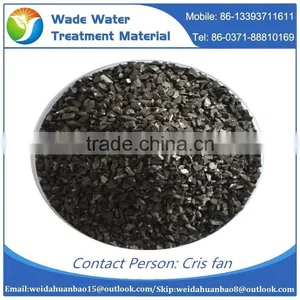
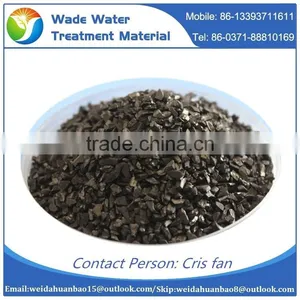
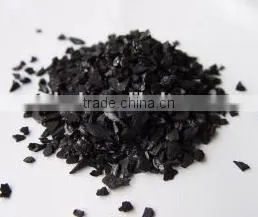
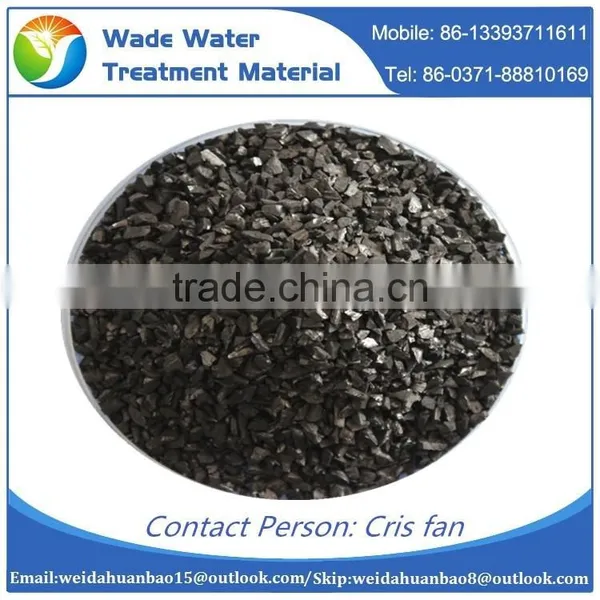
Granular |
Data |
Iodine value |
≥950(mg/g) |
Benzene adsorption |
≥450(mg/g) |
Surface area |
900-1100m2/g |
Filling density |
0.45-0.55g/cm³; |
Strength |
≥90% |
Moisture |
≤10% |
2.Powder Activated Carbon (PAC) - pulverised carbon with a size predominantly less than 0.18mm (US Mesh 80). These are mainly used in liquid phase applications and for flue gas treatment.
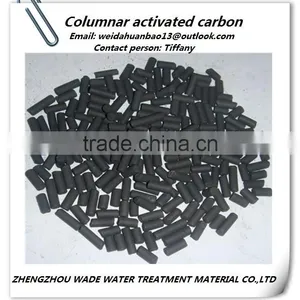
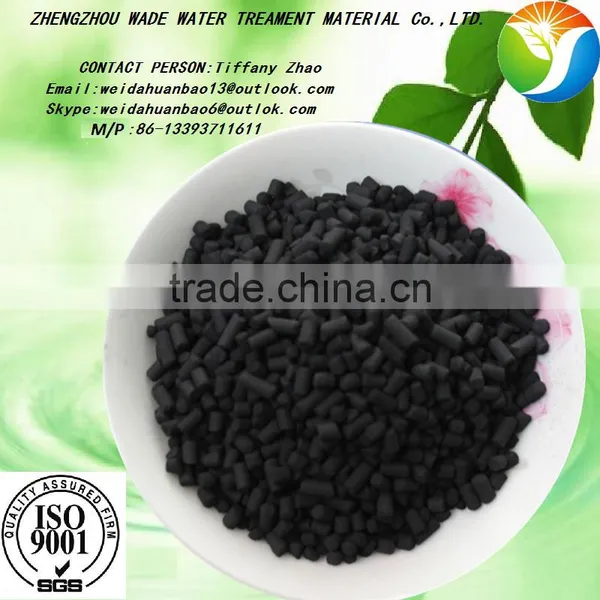
3.Columnar Activated Carbon (CAC) - Columnar and cylindrical shaped with diameters from 0.8 to 5 mm.
Columnar activated carbon
CTC |
% |
100-140% |
Benzene adsorption |
% |
45-65% |
Iodine adsorption |
Mg/g |
1100-1300 |
Surface area |
/g |
1400~2400 |
Bulk density |
m2g/ml |
0.33~0.38 |
Ignition temperature |
℃ |
400~450 |
Hardness |
% |
95-99.9% |
Ash |
% |
3-6 |
Moisture content |
% |
5 |
Particle size |
mesh |
2,3,4mm |
These are mainly used for gas phase applications because of their low pressure drop, high mechanical strength and low dust content..
AIR
In our industrial society, manufacturing and commercial facilities are required to filter air and gases of chemicals, odors, and compounds that can cause health and environmental damage. Wade Activated Carbon products are typically used to scrub gas and vapor streams of harmful emissions and foul odors, in addition to recovering reusable solvents. WADE Activated Carbon products help protect and purify the world we live in so we breathe cleaner air.
CHEMICALS
The range of chemicals that require purification is broad and diverse. Many raw materials and intermediate chemicals must be purified to aid in their processing. Applications that use WADE Activated Carbon products include treating acids, dry cleaning solvents, and gas treater liquids. Wade products play a key role in ensuring chemicals meet stringent technical standards. Our products enhance raw materials and/or remove colors, odors, and other impurities in final products.
FOOD & BEVERAGE
WADE Activated Carbon products are often used to make beverages look and taste better. Many food and beverage products require activated carbon to improve purity, appearance, or other sensory characteristics. Common applications for WADE Activated Carbon products include treating cane sugar, purifying edible oils, removing color from fruit juices, modifying flavor characteristics in alcoholic beverages, and improving food additive flavors. These activated carbons also play a key role in making certain food ingredients safe to eat.
GOLD RECOVERY
Activated carbon has long been used as an adsorbent in the gold processing industry to recover gold from mining solutions. Due to its high surface area and exceptional hardness, coconut shell GAC is the main product used in carbon-in-leach (CIL), carbon-in-pulp (CIP), and carbon-in-column (CIC) operating systems.
CATALYST
WADE Activated Carbon’s products offer excellent purity, extremely large surface areas, pore volume, low dust and ash, and exceptional hardness which make them perfectly suited as catalyst carriers. In some applications, our OxPure™ GAC is the catalyst itself. Among OxPure™ GAC’s main uses as a catalyst or catalyst carrier include precious metal catalyst carrier, agricultural, and chemical applications.

Send Inquiry to This Supplier

You May Also Like
-
Oblique Installing Cartridge Dust Collector/Cartridge Dust Collectors/ Dust Filter Cartridge FiltersUS$ 500 - 2000MOQ: 1 Set
-
Sodium Gluconate 25kgNegotiableMOQ: 1 Ton
-
Industrial-grade Zinc Stearate Powder Release Agent for Plastic Injection MoldingUS$ 2 - 5MOQ: 1000 Kilograms
-
Chemical AuxiliariesNegotiableMOQ: 2400 Kilograms
-
Zeolite Carbon Sieves 3a 4a 13x Adsorbent for Oxygen Concentrator Generator Molecular SieveNegotiableMOQ: 1
-
Modified Starch for Paper IndustrialUS$ 630 - 650MOQ: 5 Tons
-
NA Cmc Powder Food GradeUS$ 550 - 3,690MOQ: 5 Tons
-
Diapers Baler Hydraulic Pressing Baling MachineUS$ 3,200 - 3,250MOQ: 1 Set
-
Leather Wall Panel for Background and Ceiling PanelUS$ 3 - 6MOQ: 200 Pieces
-
AC Blowing Foam Blowing Agents of AzodicarbonamideUS$ 2,100 - 2,680MOQ: 1 Ton


