








 Contact Platform Support
 Help Center
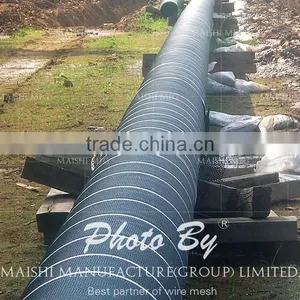
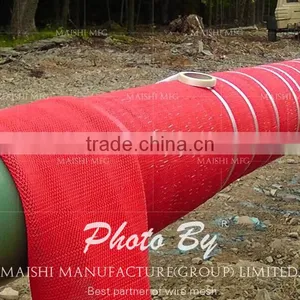
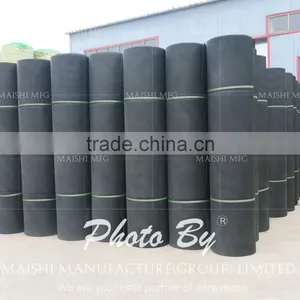
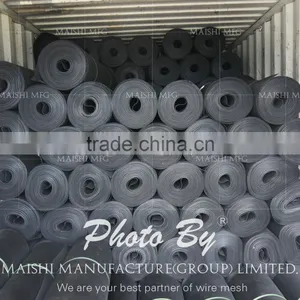
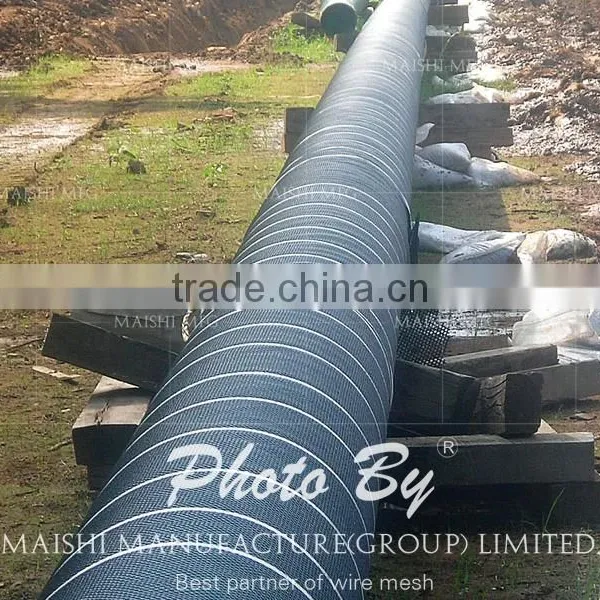
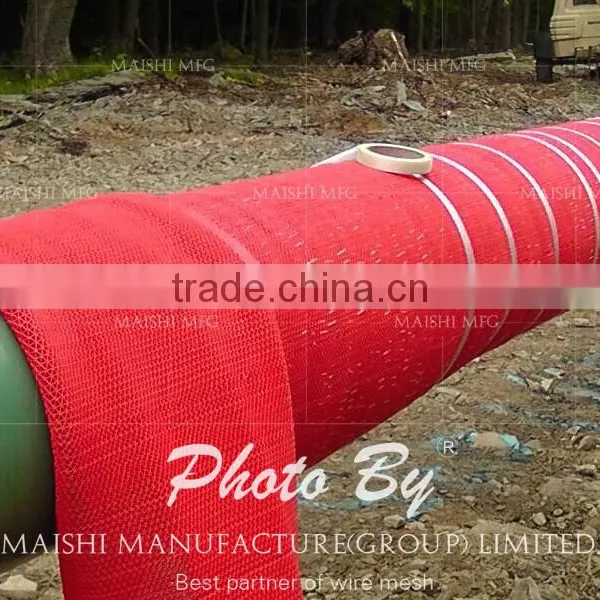
Pipeline Protection Mesh


Related Products
pipeline protection mesh
[ Material ]
Polyethylene ( PE )
Polypropylene ( PP )
High-Density Polyethylene Plastics ( HDPE )
Low-Density Polyethylene Plastics ( LDPE )
[Color]: black, blue, yellow, red etc
[Specifications]
1) Materials: HDPE (Black)/ polyethylene
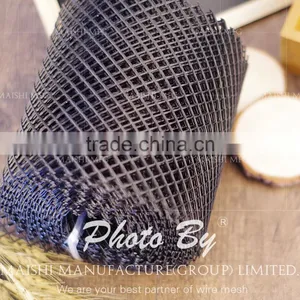
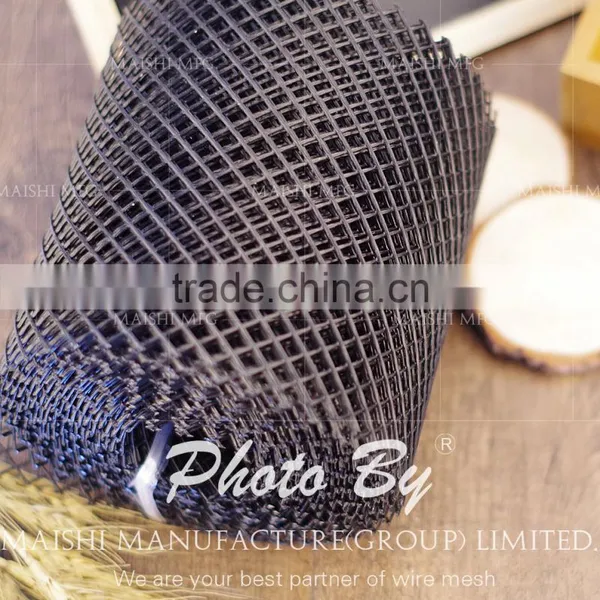
2) Structure: Diamond Mesh
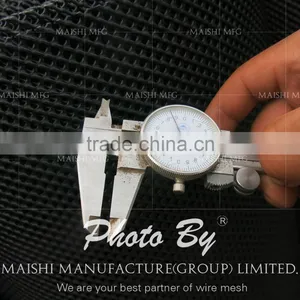
3) Aperture Size: 3mm x 3mm, 4mm x 4mm (0.16" x 0.16"), 5mm x 5mm
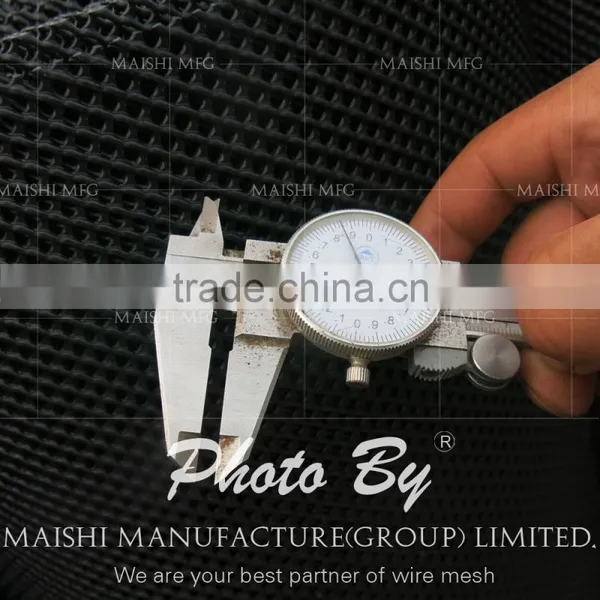
4) Thickness: 1mm, 3mm (0.012”) to 4.5mm
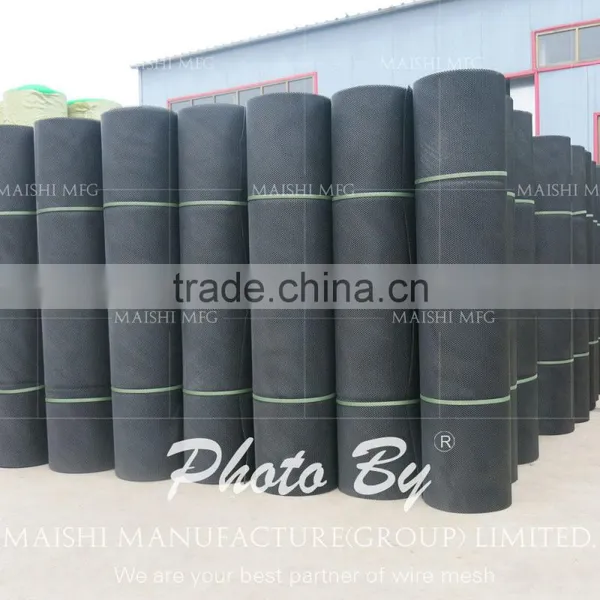
5) Width: 1m, 1.2m, 1.53m or 1.83m (5ft or 6ft)
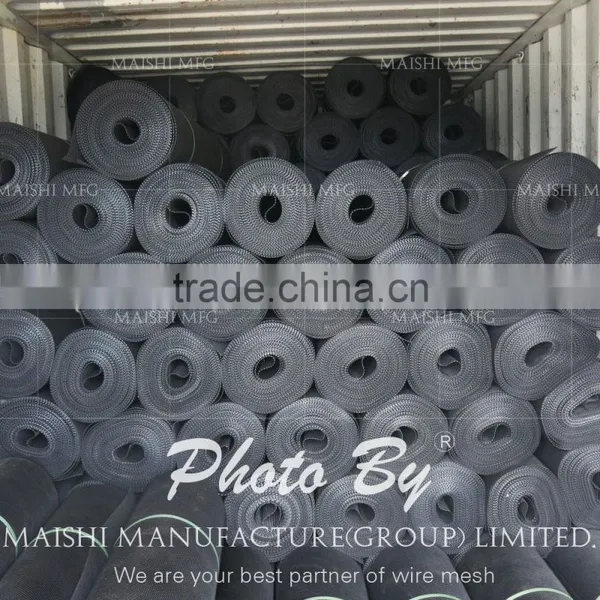
6) Length: Rolls or Pads as required
7) Weight: 500g-1200g/m2
MAISHI rock shield net is heated molten plastic material in the extruder, the screw extruder has entered a number of small holes inside and outside special rotating die head, molten plastic flows through the die pore the formation of two shares melt wire, because the head rotation, two stocks converge at one point interrupted silk material, thereby forming a network, and then cooling stereotypes into the net.
Brief Introduction
Diamond Mesh Plastic Netting
is extruded using counter-rotating dies. Joints are formed when two strands intersect or overlay each other forming a diamond pattern. Two distinct planes (known as flow channels in some applications) are created when the opposing strands overlap. The overall thickness of the product is essentially twice the thickness of each strand.
Square Mesh Plastic Netting
is extruded using a circular oscillating die plate. Longitudinal strands are determined by the size of the holes around the circumference of the die plate. Cross strands are created when the die plate opens, creating an integral joint structure along the x and y plane. Cross strand thickness and spacing can be controlled in process to create square or rectangular apertures. Square mesh Plastic netting typically has one flat side created by the hot extruded mesh tube passing over a mandrel.
Oriented Plastic Netting is produced in a secondary operation by heating and stretching extruded square mesh netting to create a lighter-weight material with higher strength to weight ratios. Bi-axial orientation typically "stretches" the origin
Expanded Plastic Mesh is produced by slitting plastic sheet stock in a controlled pattern, then stretching or expanding the width to produce the designated nominal aperture (hole) size. Dimensional measurements for expanded mesh are somewhat different than extruded and oriented mesh
T/T, L/C, Western Union

Send Inquiry to This Supplier

You May Also Like
-
 Ruthenium-Iridium Coated Titanium Mesh Cylinder Anode for Sewage Treatment and Electroplating Wastewater RecoveryNegotiableMOQ: 1 Piece
 -
Plastic Net for Metal Parts MCN 6 YellowUS$ 60.3 - 77.9MOQ: 1 Roll
-
Energy Saving Screen (Transparent)US$ 1 - 50MOQ: 1 Set
-
72 In. x 96 In. Full Size Heavy Duty Pickup Cargo NetNegotiableMOQ: 1
-
New Cheap Nylon Luggage Net for Cargo Storage Car Hatchback 38*38cmUS$ 8 - 15MOQ: 500 Pieces
-
High Quality New Style Transparent Agricultural Anti Insect NetUS$ 5 - 50MOQ: 1000 Rolls
-
High Quality Bird NetsNegotiableMOQ: 1
-
Plastic Support Netting / Wire Mesh,trellis Netting ( Factory Price)US$ 1.2 - 10.3MOQ: 1 Roll
-
Orange HDPE Fence NettingNegotiableMOQ: 5 Metric Tons
-
Elastic Motorcycle Luggage Net With Plastic Hooks Cargo Nets Bungee Cord NetUS$ 0.5 - 1.5MOQ: 100 Sets


