Contact Platform Support
 Help Center
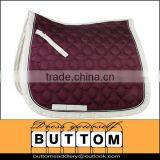
Saddle Pad Horse Saddle Pad Cotton Saddle Pad Fashion Color Saddle Pad


Related Products
-
 All Purpose Saddle,thick Quilted All Purpose Saddle Pads,soft and Comfortable for HorseUS$ 8 - 15MOQ: 100 Pieces
 -
Saddle Pads All Purpose Saddle Pads Fashion Quilted Saddle PadsUS$ 8 - 15MOQ: 100 Pieces
-
Jumping Saddle With Cotton Outer,thick and Soft for JumpingUS$ 8 - 15MOQ: 100 Pieces
-
General Purpose Saddle Pads With Fashion Pattern,Cotton Outer,Polyester Inner,highly AbsorbentUS$ 8 - 15MOQ: 100 Pieces
-
GP Saddle Pads With Fashion Pattern,Polycotton Outer,Polyester Inner,highly AbsorbentUS$ 8 - 15MOQ: 100 Pieces
Specifications
Horse saddle pad Cotton saddle pad:1.Shaped wither
2.Vecro Fastening straps
3.Highly absorbent
DESCRIPTION:
Horse saddle pad Cotton saddle pad :
- 1.The Saddle pad is 100%cotton outer with easy fox Velcro girth loops and saddle attachments.
- 2.The saddle pad features moisture management lining to help keep the horse comfortable whilst wearing the saddle pad.
- 3.The wither shaped saddle pad features a soft highly absorbent lining with girth loops and retaining straps for a secure fit.
- 4.Great for everyday use.
- 5.Available in Paterns and colors
Saddle buying guide:
Saddle pads and blankets are placed under a saddle to protect a horse’s back, and absorb
sweat. They also act as a cushion under the saddle for a more comfortable ride. Specially
designed models that compensate for a horse’s body structure can help when a saddle
doesn’t quite fit properly. Saddle pads are made from many natural and synthetic materials,
each with its own benefits and purpose. Cloths and blankets were used to cover horses’
backs for riding long before saddles became popular, and they have since evolved to match
various equestrian styles. To choose a suitable saddle pad, buyers will need to consider their
horse and the saddle they ride with most often.
Selecting the Right Saddle Pad
A well-chosen saddle pad may lessen a horse’s muscle fatigue, allowing for longer rides
without unnecessary strain or injury. Some saddle pads are designed for general use, while
others are made for shows and competitions. Consumers will need to take the shape of a
horse’s back and withers into consideration when choosing a saddle pad, along with the style
of saddle used with the pad and the equine discipline practiced by the rider.
Types of Saddle Pads
There are several terms used to describe fabric and other materials placed between a saddle
and horse. Saddle blankets and pads are two different types of saddle cushioning. A blanket
generally refers to a piece of cotton orwool that is folded and placed under the saddle.
Commonly used under western saddles and pack saddles, blankets originally served two
purposes for the military: padding and warmth. On long marches, the thickness of the blanket
could be adjusted as the horse got skinnier. Saddle pads, sometimes called numnahs, are
thicker than blankets. They are made of multiple layers of material shaped to match the
contours of the horse and saddle.
Saddle Pad Designs
Horse owners and riders can use this chart to find a Western or English saddle pad that
will complement their horse’s body type. Using this information, buyers will be able to make
an informed decision rather than just guessing as to which pad would be the best choice
for a particular horse.
| SHAPE OF PADS | USAGE |
| Built up |
With extra padding along the center, a pad that is built up is useful for high-withered horses because it raises the saddle up off the withers. |
| Contour |
A contoured pad will help compensate for prominent withers or a swayed back. This type of pad can reduce pressure on the withers. |
|
Horses with high, prominent withers might be more comfortable in a cutout pad. Instead of resting on the withers, there is a cutout at the top of the pad, which relieves pressure on this area. |
|
|
Sometimes called a contest saddle pad, these rounded pads are used under saddles that feature a round skirt, or for short-backed horses. |
|
|
With extra thickness at the center, a swayback pad is specially designed for horses with a dip in their back. This type of pad also corrects uneven saddle pressure on horses with extremely high withers. |
Materials Used to Make Saddle Pads
Buyers can also choose a saddle pad based on the material used to make it. Each material
has benefits and drawbacks, so riders should consider which would be the best option for
their horse and saddle. Both natural and synthetic materials are used in the production of
saddle pads.
1.Sheepskin and Synthetic Fleece
The most traditional saddle pad material is sheepskin. Sheepskin with the hide still attached
reduces friction ina way that can’t be matched by man-made fleece. It’s used mainly because
of its natural ability to wick moisture away from a horse’s skin, but it can be difficult to clean
and dry. Over time, chemicals in a horse’s sweat can break down the fleece on a sheepskin
pad,if it’s not properly cared for. Synthetic fleece is often used on the underside of saddle pads,
and it holds up better than sheepskin. Real fleece often becomes flattened and matted by the
weight of the saddle and rider. Synthetic materials are affordable and hold up over time, but
are not as breathable as the real thing
2.Felt
Felt is a common material in saddle pads designed for Western saddles, and is sometimes
found in English pads, though less frequently. This compressed wool is absorbent and
efficient at wicking moisture. Felt is a great insulator, and it can relieve pressure points
caused by a saddle, so it’s often layered under other materials for maximum shock
3.Foam
the weight of the saddle. There are two types of foam used to make saddle pads: open-cell foam and
closed-cell foam. Closed - cell foam is more popular because it’s denser and can conform to body
contours, but it’s less breathable than open-celled varieties. The main drawback to foam is that it lacks
the wicking ability of natural fibers.
4.Gel
Some saddle pads come with gel inserts for additional cushioning. These are helpful ,a
horse has a tender spot that requires additional protection from impact. A layer of gel
is placed between the padding, or embedded in the fabric. The addition of this material
makes gel saddle pads heavier than other models, but they can make a horse much
more comfortable by cushioning sore spots.
5.Neoprene
Neoprene is a waterproof material used in certain saddle pads. This type of rubber is
also called waffle bottom, because of the distinct pattern imprinted on it, which allows the
saddle pad to breathe. Pads made of neoprene are extremely durable and easy to clean.
The chemical characteristics of this material help neoprene saddle pads stay put under the
saddle rather than sliding around and causing the horse discomfort.

Send Inquiry to This Supplier

You May Also Like
-
Leather Horse WhipsUS$ 0.5 - 5MOQ: 100 Pieces
-
English Bridles With ReinsUS$ 18 - 32MOQ: 10 Pieces
-
Horse Riding Leather ChapsUS$ 25 - 25MOQ: 15 Pairs
-
Horse Tendon Boots/ Horse Boots NeopreneUS$ 10 - 48MOQ: 50 Pairs
-
Stainless Steel BuckleUS$ 1.11 - 3.77MOQ: 200 Pieces
-
Breathable Breeches, Horse Riding Pant, Horse Riding BreechesNegotiableMOQ: 1000 Pieces
-
Horse Body BrushNegotiableMOQ: 1000 Pieces
-
Horse Riding Half ChapsNegotiableMOQ: 10 Pieces
-
Miniature Horse RugNegotiableMOQ: 200 Pieces
-
Equine Sport BootsUS$ 40 - 48MOQ: 100 Pairs