Contact Platform Support
 Help Center
Horse Leather Whip Horse Riding Horse Leather Whip With Leather Flap Black Braided With Thead Handle Superior Horse Leather Whip


Related Products
-
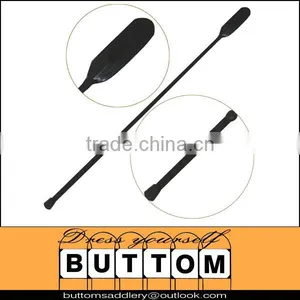
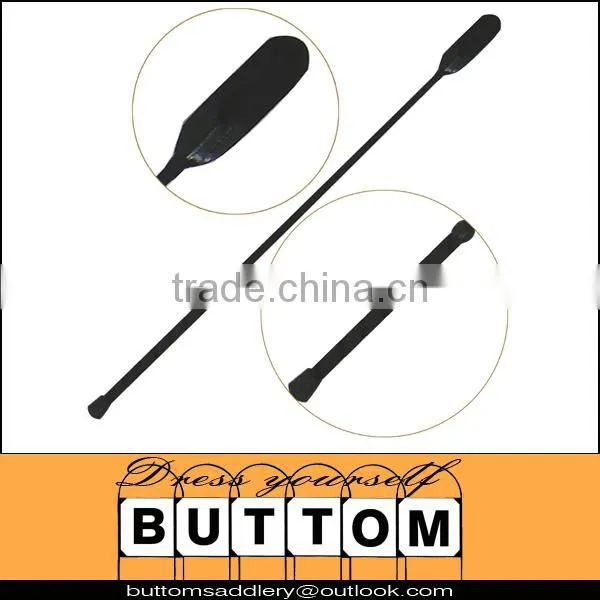
 Horse Jumping Whip Equestrian Horse Jumping Whip Leather Flap Black Braided Stem Threaded Hanlde 27" Superior Quality Horse JumpUS$ 3 - 6MOQ: 200 Pieces
 -
EQUESTRIAN EQUIPMENT HORSE WHIP EQUESTRIAN JUMPS SHOW JUMPING EQUESTRIAN HORSE EQUIPMENT EQUESTRIAN SPORT HORSE JUMPING WHIPUS$ 2.8 - 3.6MOQ: 100 Pieces
-
Rainbow Glitter Whip With Rainbow Glitter Stem,rubber Handle and Hand Loop,65cmUS$ 3 - 6MOQ: 200 Pieces
-
Whip Braid Stem Whip Nylon Braid Stem Whip Horse Whip Horse Riding Whip,24"US$ 3 - 6MOQ: 200 Pieces
-
Horse Whip Braided Horse Whip Nylon Braid Horse Whip With Metal Cap,65cmUS$ 3 - 6MOQ: 200 Pieces
Description
Horse leather whip horse riding horse leather whip with leather flap black braided with thead handle superior horse leather whip :
- 1.Shaped leather top
- 2.Theaded handle,comfortable for using
- 3.Top quality
- 4.Available in requirements
Using a Whip or Crop While Horseback Riding
Whips and riding crops are an iconic symbol of horse back riding, but considering how
they are sometimes used, it's almost a pity. A whip or riding crop can be a useful tool
if used wisely. Conversely, they can be instruments of torture if used in anger or for
coercion. There is definitely a right way and a wrong way to use these artificial aids.
Properly used, a whip is an extension of your arm or leg. If your horse is trained to
move forward in hand by a tap on the top of the haunch, this cue can also be used
while you are riding to reinforce your leg and seats aids. If your horse is a bit lazy,
just the presence of the whip is often enough to motivate them to pay more attention
to your cues. A few taps with the whip can be enough to encourage a balky horse to
move forward, or a hesitant horse to cross a bridge or water crossing. A whip may also
be used to encourage a horse to put more effort into approaching a jump, or simply
march straight through a field filled with lush grass, rather than put its head down to
steal mouthfuls as you ride.
Misusing Whips
If however, you find yourself using a whip to do more than tap your horse, you are
in danger of overusing the aid and making your horse either frightened or belligerent.
People who use whips to try to bully horses find they may compound the problem.
If the problem is something like getting a horse to cross a stream, hitting them with a
whip may make them even more anxious as the horse associates being hit with the
scary water crossing. We all like instant answers to our problems but hitting a horse
can be counterproductive. A horse should never be hit hard enough to leave any mark
on the skin or hair coat.
Using a Whip From the Ground
While on the ground you can use a whip to cue your horse to step forward and the
whip allows you to reach further back to tap the horse's haunch. A quick wave of
the whip in front of your horse's face can make a pushy horse halt and pay attention
quickly. Using a whip in this way allows you to keep a safe distance from your horse
and your hands safely on the lead line. For ground work, a long dressage whip, team
wand or 'carrot stick' is the easiest to work with. A whip is a very useful aid when
lunging and most of the cues you give will be through the lunge whip. A lunge whip
never touches the horse, but is popped or pointed, depending on what you are asking
your horse to do. Learn more about lunging your horse.
Riding With a Whip
From the saddle, a whip reinforces your leg and seat aids. When a horse is a being
sluggish or hesitant, first apply natural aids—legs, seat and hands to ask it to move on.
If you sense the horse is not taking the cue seriously, tap lightly asking the horse to
'wake up'. This needs to be done instantaneously, so the horse connects the action of
the whip with the leg and seat aids. The tap needs to go behind your leg, and that's one
reason why dressage whips are longer than riding crops. Crops are a bit shorter and
they are used to tap the shoulder of a horse, rather than reach behind the rider's leg.
To tap further back requires the rider hold the reins in one hand, while using the other
to reach around behind the rider's leg or the horse's haunches. Whips or crops used in
schooling a horse can be held on either side, depending on which leg you wish to
re-enforce. If your horse has a habit of spooking, you may wish to carry a whip on the
side it spooks to, to remind it to stay straight. Always remember to use your leg and
seat aids first however, even to correct a spook. It is very easy to rely on artificial aids
such as whips without learning how to properly use natural aids. In the show ring,
there is a right and wrong side to carry a whip, so check the show rules for your
particular discipline.
How to Hold a Whip
To hold a whip properly while riding, the handle of the whip goes across your palm,
with the button end up. This way, it will be parallel with the rein you are holding.
If there is a loop on the handle, slide this over your hand as far as your knuckles.
This is so the whip or crop while not slide downwards as you ride. You don't want
to slide the loop around your wrist, because should you fall off, your wrist will be
held against the whip, which is potentially injurious. You're better to let go of the
whip when you fall. Dressage whips often have a large button on top that prevents
them from sliding out of your hand. If it doesn't, it can be helpful to wrap a 'donut'
of tape around the top. You may find it most comfortable and balanced if you hold
the whip a few inches down the handle, rather than right against the top. The whip
then lays across your thigh, ready to reinforce your leg aid.

Send Inquiry to This Supplier

You May Also Like
-
Leather Horse WhipsUS$ 0.5 - 5MOQ: 100 Pieces
-
English Bridles With ReinsUS$ 18 - 32MOQ: 10 Pieces
-
Horse Riding Leather ChapsUS$ 25 - 25MOQ: 15 Pairs
-
Horse Tendon Boots/ Horse Boots NeopreneUS$ 10 - 48MOQ: 50 Pairs
-
Stainless Steel BuckleUS$ 1.11 - 3.77MOQ: 200 Pieces
-
Breathable Breeches, Horse Riding Pant, Horse Riding BreechesNegotiableMOQ: 1000 Pieces
-
Horse Body BrushNegotiableMOQ: 1000 Pieces
-
Horse Riding Half ChapsNegotiableMOQ: 10 Pieces
-
Miniature Horse RugNegotiableMOQ: 200 Pieces
-
Equine Sport BootsUS$ 40 - 48MOQ: 100 Pairs