








 Contact Platform Support
 Help Center
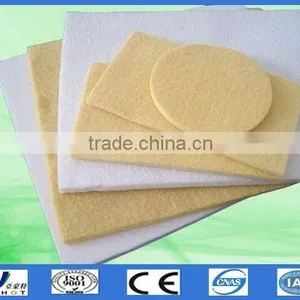
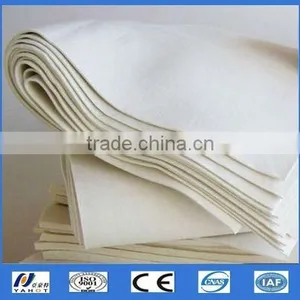
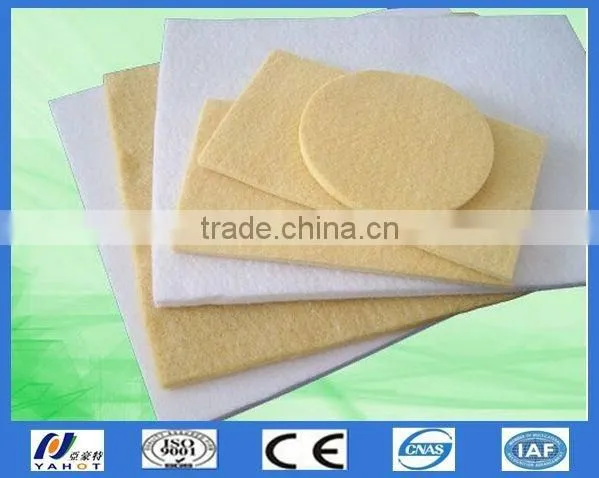
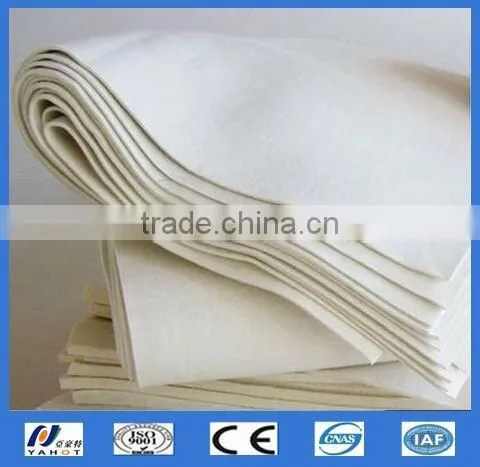
100% Woollen Felt Fabric


Related Products
-
 China Portable Outdoor Folding Camping ChairUS$ 20.78 - 24.88MOQ: 200 Pieces
 -
Woven Viscose Fiber Car Seat CoverUS$ 50 - 75MOQ: 5 Pieces
-
Cheap Home Theatre Mini ProjectorNegotiableMOQ: 1 Set
-
High Quality Decorative Wire MeshUS$ 3 - 8MOQ: 100 Rolls
-
Dark Black Spark ScreenUS$ 0.01 - 1,999MOQ: 1 Piece
Woollen Felt Fabric
Our product range includes Felt Strips, Felt Rolls, Polishing Felts, Felt Bobs and Wheels, Decorative Felts, Handicraft Felts, Medical Felts, Printing Felts, Miscellaneous Felt Products and Bedding Industry Felts
Where application demands high qualities of compression, elasticity, resistance to ageing and wear, high absorption and low abrasion, woollen or blended wool felts are ususally specified.
Within each density range, stock many qualities, each has specific features and numerous finishes are available. We will be pleased to advise you on request.
SYNTHETIC FELTS: This describes all felts made using man-made fibres as a base. Polyester, acrylic and other man-made fibres will not naturally fuse together like wool. Hence it becomes necessary to mix and bind them together using barbed needles. Such felts are referred to as 'Needleloom'. Other synthetic felts are fused by chemical impregnations and heat, and these tend to be harder and more rigid than needle loomed felts.
Synthetic felt is measured by weight in grammes per square metre. It can be as light as 20gm2 or as heavy as several hundred grammes per m2. However, unlike woollen felts where density, hardness and thickness are all interrelated to tensile strength, synthetic felts owe their hardness and strength to fibre type, impregnations and finish. Hence, where a very strong, thin felt is required, synthetics offer advantages over wool. The same is true of high/low temperature performance and where pore size is critical to the micron, as in precision filtration.
Synthetic felts cannot match wool's performance in compressibility, elasticity, absorption and abrasion, but they can be harder wearing, and in applications where either can perform, can offer price advantage. Chemical compatibility to application must of course be considered. Wool and synthetic blends offer combinations of both fibre qualities, as in textiles.
Woollen Felts: Rating |
Density: g/cm³ |
Typical Application |
Soft |
0.18 |
Light air, dust and oil seals |
Medium |
0.22 |
Gaskets, seals, washers, wicks, absorbent and resilient pads, cladding
|
Medium firm |
0.26 |
|
Firm |
0.35 |
Clutch linings, wiping felts, small cut parts |
Extra Firm |
0.40 |
|
Hard |
0.45 |
Polishing, wiping, sander-backing, cut and formed parts |
Hard |
0.48 |
|
Extra Hard |
0.60 |
Polishing, cut and formed parts,vacuum forming dies |

Send Inquiry to This Supplier

You May Also Like
-
100% Merino Wool Felt Sheets in Different Size Thickness and Density With Original or Dye ColourNegotiableMOQ: 100 Pieces
-
Wool and Animal Hair FabricsNegotiableMOQ: 2000 Rolls
-
Industrial Felt, 100% Wool FeltNegotiableMOQ: 1 Sheet
-
35polyester 15rayon 50 Wool Fabric for OvercoatUS$ 2 - 6MOQ: 1000 Meters
-
Plaid Wool FabricNegotiableMOQ: 2000 Meters
-
Italian High Quality Worsted Suit Wool FabricUS$ 15 - 20MOQ: 1000 Meters
-
High Qaulity Wool Bed SheetsUS$ 7 - 19MOQ: 100 Pieces
-
Blended Worsted Wool Fabric W99/s1 Moda-t063US$ 9.5 - 10.5MOQ: 1500 Meters
-
Good Quality Polyester Wool Woven FabricUS$ 11.5 - 19.8MOQ: 200 Kilograms
-
Polyester Wool FabricUS$ 6.5 - 7.5MOQ: 500 Yards


