








 Contact Platform Support
 Help Center
Lime and Rotary Kilns


Related Products
-
 2.7x10.5 Vertical Shaft KilnUS$ 1,209,670 - 1,900,000MOQ: 1 Set
 -
Vertical Shaft Lime Kiln/ Active Lime Kiln /Clinker KilnUS$ 1,209,670 - 1,900,000MOQ: 1 Set
-
3.2*52m Rotary KilnUS$ 20,000 - 900,000MOQ: 1 Set
-
Cement /Clinker Rotary Kiln/ Rotary Calcining KilnUS$ 15,483,870 - 15,483,879MOQ: 1 Set
-
Export Various Models of Rotary KilnUS$ 300,000 - 900,000MOQ: 1 Set
Specifications
Rotary Kiln1.calcine and dry
2.various models suitable for your capacity
3.direct manufacturer
4.more than 60x experience
How a kiln works
The basics of lime burning
The lime burning process requires enough heat to be transferred to the limestone in order to decompose the calcium and magnesium carbonates. Heat transfer for lime burning can be divided into three main stages;
- Preheating zone - limestone is heated to approximately 800°C by direct contact with gases leaving the calcining zone (i.e. the products of combustion, excess and CO2 given off from the calcination).
- Calcining zone - fuel is burnt in preheated air from the cooling zone and (depending on kiln type) in additional ‘combustion’ air added with fuel. This produces heat at above 900°C and turns limestone into quicklime and CO2.
- Cooling zone - quicklime leaving the calcining zone at 900°C is cooled by direct contact with ‘cooling’ air.
There are a large variety of kiln designs available all over the world. The choice of lime kiln is extremely important for lime producers. The selected kiln must be suitable for burning the selected feedstone and for producing the required quality of quicklime. Generally speaking, it must have sufficiently low capital and operating costs to produce quicklime at a competitive price. Its capacity must also be appropriate for the market requirements.
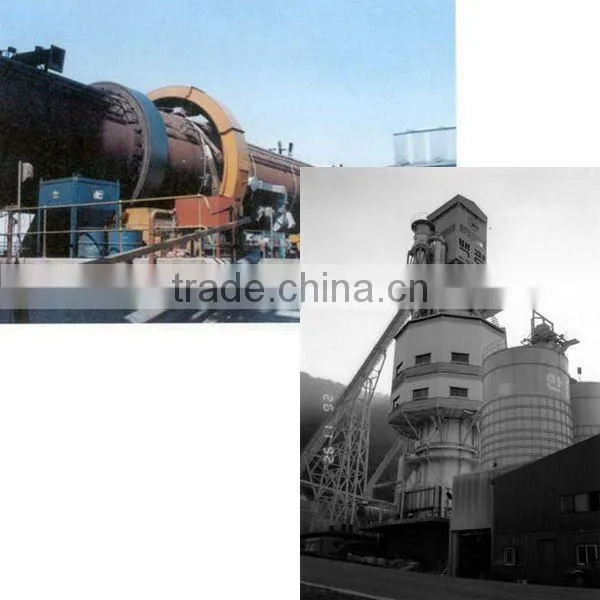
There aremain types of lime kilns being used – Shaft kilns, Rotary kilns
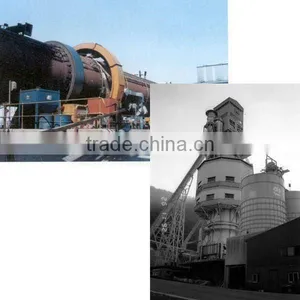
Rotary Kilns
The traditional/long rotary kiln (see Fig 4 and 5) consists of a rotating cylinder (110 to 140 m long) inclined at an angle of 3 to 4 to the horizontal. Limestone is fed into the upper ‘back end’ and fuel plus combustion air is fired into the lower ‘front end’. Quicklime is then discharged from the kiln into a lime cooler, where it is used to pre-heat the combustion air.

Send Inquiry to This Supplier

You May Also Like
-
Trommel ScreenNegotiableMOQ: 1 Piece
-
PanQi U Shaped High Capacity Mixer for Animal Feed Gluten Flour MixingUS$ 880 - 2290MOQ: 1 Set
-
Concrete MachineryNegotiableMOQ: 2000 Sets
-
Factory Supply Cco Plate Mixed Concrete Batching Plant Wear Resistant LinersUS$ 500 - 500MOQ: 1 Set
-
New HOWO TX 12 Cbm 8*4 Concrete Mixer TruckNegotiableMOQ: 1
-
Solids Control Industry Desanding EquipmentNegotiableMOQ: 1 Set
-
Exported to Mongolia the Complete Cement Making LineUS$ 50,000 - 150,000MOQ: 1 Set
-
RD125 Concrete Batching PlantUS$ 10,000 - 1,000,000MOQ: 1 Set
-
Polishing Machine RotomouldingNegotiableMOQ: 1
-
Automatic Ready Mixed Concrete Batching Plant Factory Concrete Admixture Mixing Plant New Technology Concrete Batch PlantUS$ 500 - 2,000MOQ: 1 Set


