








 Contact Platform Support
 Help Center
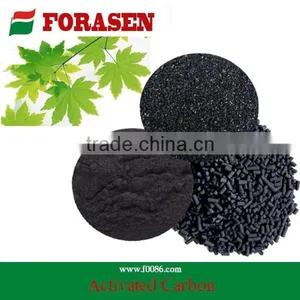
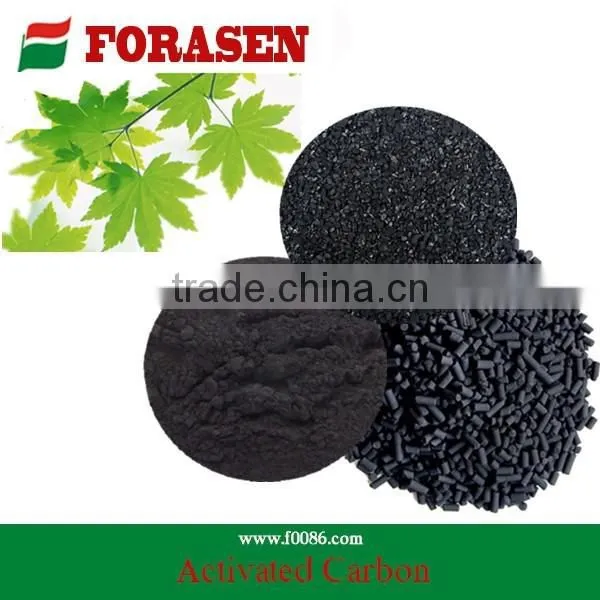
Coconut Shell Granular Activated Carbon for Water Treatment


Related Products
-
 CTC 60 Wood Powder Activated CarbonUS$ 950 - 2,200MOQ: 1
 -
Coconut Shell Granular Activated Carbon for Water TreatmentUS$ 950 - 2,000MOQ: 1
-
Catalyst Carrier Coal Activated CarbonUS$ 600 - 2,000MOQ: 1
-
Granular Activated Carbon for Air FilterUS$ 600 - 2,000MOQ: 1
-
High Quality Granular Coconut Shell Activated Carbon PriceUS$ 950 - 2,200MOQ: 1
Coconut shell granular activated carbon for water treatment
Raw material: coconut shell
Shape: granular
Iodine: 1000mg/g
Surface area: 1100-1200 m2/g
Bulk density: 0.45-0.5 g/ml
Moisture: 4 % max.
Ash: 3 % max.
Advantages of our coconut shell granular activated carbon:
1, Competitive price
2, High surface area
3, High filtration speed
4, Non-toxic
5, High abration strength
| Granular Activated carbon particle size | ||||
| 1-2 mm | 6x12 mesh | 10x20 mesh | 12x40 mesh | |
| 2-4 mm | 8*16 mesh | 10x24 mesh | 20x40 mesh | |
| 4x8 mesh | 8x24 mesh | 10x30 mesh | 20x60 mesh | |
| 5x10 mesh | 8*30 mesh | 12x30 mesh | 40x60 mesh | |
| Powder activated carbon particle size | ||||
| 100 mesh | 150 mesh | 200 mesh | 300 mesh | 325mm |
| Cylindrical activated carbon particle size (Dia.) | ||||
| 1 mm 1.5 mm | 2 mm 3 mm | 4 mm 5mm | 6mm 8mm | |
| 0.8 mm | 0.9 mm | |||
1,Water
1.1, Drinking water treatment
1.2, Waste water treatment
1.3, Gound water remediation
1.4, Process water treatment
1.5, Aquarioum water treatment
1.6, POU / water filtrator
2, Air/ Vapor
2.1, Vapor extraction / remediation
2.2, Odor control
2.3, Catalyst support / protection
2.4, Air stripper off-gas
2.5, Indoor air quality
2.6, Tank venting
3, Food
3.1, Glycerin purification
3.2, Wine / fruit joice decolorization / deodorization
3.3, Edible oil purification
3.4, Corn and cane sugar decolorization
4,Chemical
4.1, Glycol purification and recycling
4.2, Chemical or products purification
4.3, Sludge/ soill stabilization
4.4, Catalyst support / Protection
4.5, Amine purification
4.6, Dry cleaning solvent purification
4.7, Industrial oil purification
4.8, Solvent recovery
4.9 ,Precious metal /Gold recovery
Frequently Asked Questions
What Is Activated Carbon?Activated carbon is a highly porous substance that attracts and holds organic chemicals inside it. The media is created by first burning a carbonaceous substance without oxygen which makes a carbon “char”. Next, the “char” is treated chemically or physically to develop an interconnected series of “holes” or pores inside the carbon. The great surface area of this internal pore network results in an extremely large surface area that can attract and hold organic chemicals.
Is There A Difference Between Activated Carbon And Activated Charcoal?
Most people have a misunderstanding that there is a difference between activated carbon and activated charcoal. Both of these terms can and are used interchangeably. As well, active carbon is another similar word used for activated carbon and activated charcoal. All of these phrases are synonymous and commonly found in our field.
What Does Activated Carbon Do?
Activated carbon attracts organic chemicals from vapor and liquid streams cleaning them of unwanted chemicals. It does not have a great capacity for these chemicals, but is very cost effective for treating large volumes of air or water to remove dilute concentrations of contamination. For a better perspective, when individuals ingest chemicals or are experiencing food poisoning, they are instructed to drink a small amount of activated carbon to soak up and remove the poisons.
What Will Activated Carbon Remove?
Organic chemicals are attracted to carbon the best. Very few inorganic chemicals will be removed by carbon. The molecular weight, polarity, solubility in water, temperature of the fluid stream and concentration in the stream are all factors that affect the capacity of the carbon for the material to be removed. VOCs such as Benzene, Toluene, Xylene, oils and some chlorinated compounds are common target chemicals removed through use of carbon. Other large uses for activated carbon are the removal of odors and color contamination.
What Is Activated Carbon Made From?
Activated carbon made from bituminous coal, lignite coal, coconut shell and wood.

Send Inquiry to This Supplier
You May Also Like
-
Sodium Gluconate 25kgUS$ 100 - 2000MOQ: 1 Ton
-
Oblique Installing Cartridge Dust Collector/Cartridge Dust Collectors/ Dust Filter Cartridge FiltersUS$ 500 - 2000MOQ: 1 Set
-
Industrial-grade Zinc Stearate Powder Release Agent for Plastic Injection MoldingUS$ 2 - 5MOQ: 1000 Kilograms
-
Chemical AuxiliariesNegotiableMOQ: 2400 Kilograms
-
Zeolite Carbon Sieves 3a 4a 13x Adsorbent for Oxygen Concentrator Generator Molecular SieveNegotiableMOQ: 1
-
Modified Starch for Paper IndustrialUS$ 630 - 650MOQ: 5 Tons
-
NA Cmc Powder Food GradeUS$ 550 - 3,690MOQ: 5 Tons
-
Diapers Baler Hydraulic Pressing Baling MachineUS$ 3,200 - 3,250MOQ: 1 Set
-
Leather Wall Panel for Background and Ceiling PanelUS$ 3 - 6MOQ: 200 Pieces
-
AC Blowing Foam Blowing Agents of AzodicarbonamideUS$ 2,100 - 2,680MOQ: 1 Ton


