








 Contact Platform Support
 Help Center
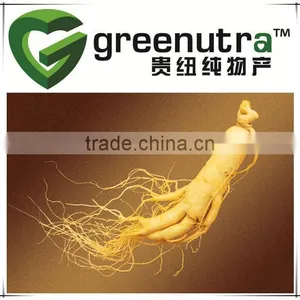
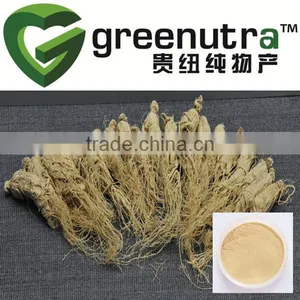
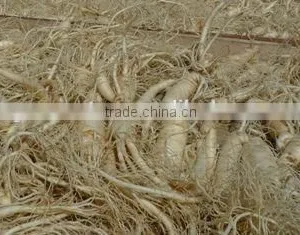
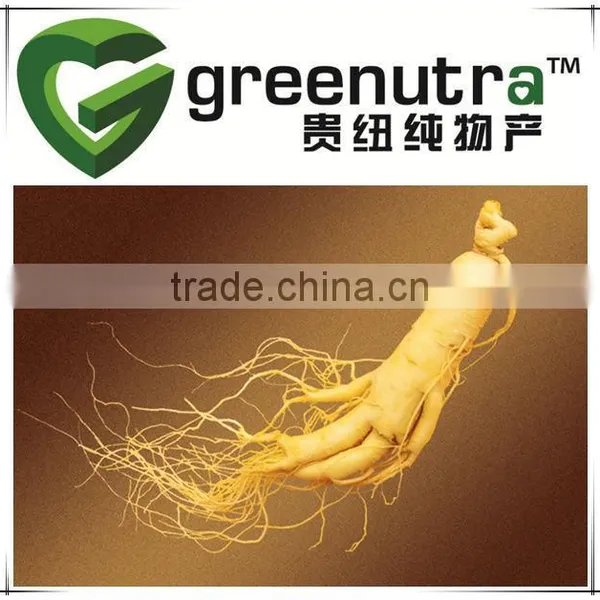
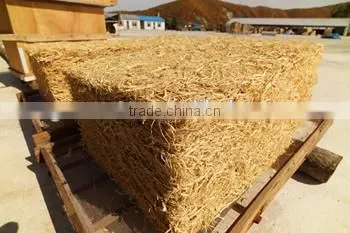
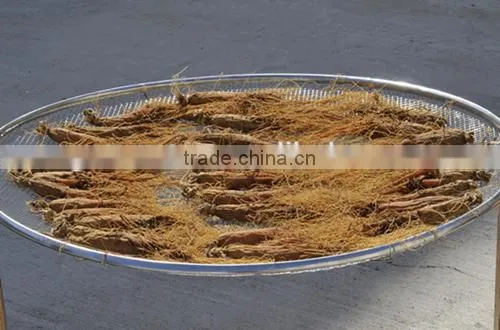
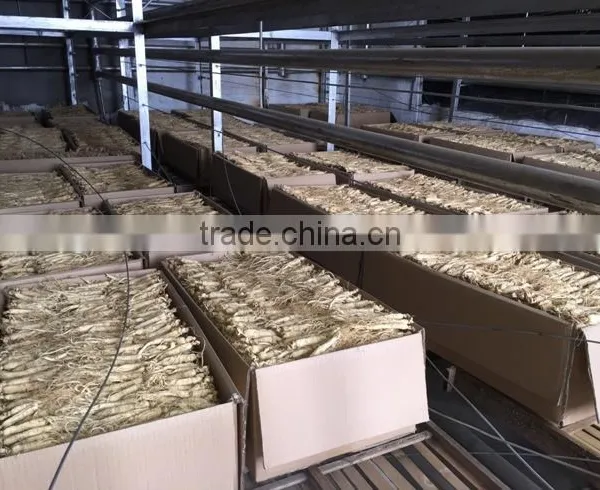
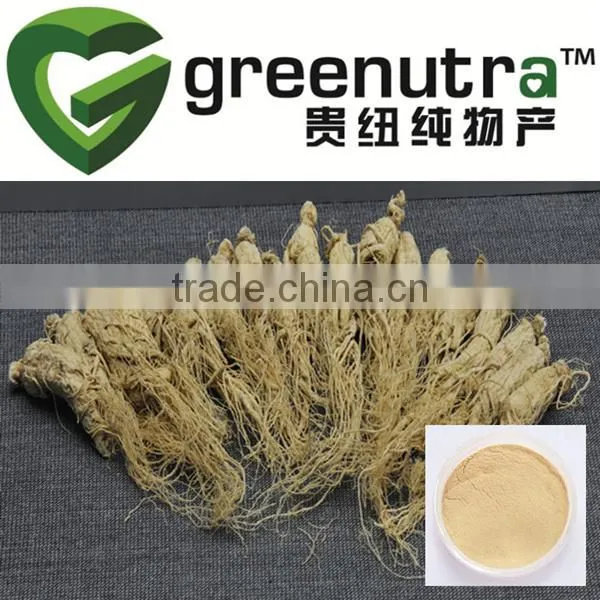
Panax Ginseng Root


Related Products
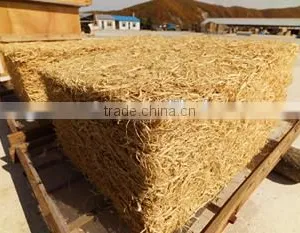
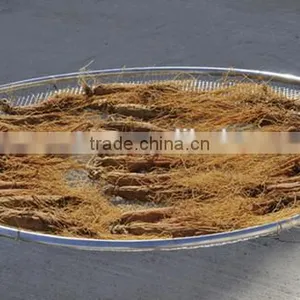
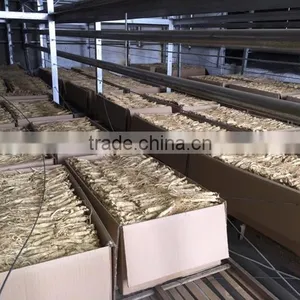
Panax Ginseng Root
Chinese Name: Renshen
Botanial Name: Radix Ginseng
English Name: Ginseng
[Chemical Composition ]: It mainly has volatile constituents such as Panaxynol , β-Elenm-ene , Monosaccharide( Glucose , Fructose ),Disaccharide (Sucrose , Malt sugar ), Low molecular weight peptides , many kinds of Amino acids such as Threonine , β-GABA , Fumarase , Succinate , Maleic acid , Malic acid , Citrate , Tartrate , Palmitic acid , Stearate , Linoleic acid , Choline , Vitamin B ,C ,Pectin ,Gi-nsenoside Ro , Ra , Rb1, Rb2 , Rb3 , Re , Rf , 20-Glucose-Rf , Rg1 .

[P harmacological Action ]:
1 .To help the central nervous system to be clam , resist many excitants , reduce the inhibition of the central inhibitor .
2. Having anti-fatigue function .
3. To anesthesia animals , small doses make high blood pressure , big doses make low blood pressure , the gindeng dose has no significant impact to the blood pressure in patients ; Malnutrition can minorly and shortly low the blood pressuer in anesthesia animal , the ginseng soaking agent is similar to shot Maluntrion and can increase contraction and reduce hear rhythm
4. To increase the non-specific immunity of body to many harmful factors .
5.It can low blood pressure in normal rabbits and hyperglycemia rats which is caused by EGb and Epinephrine , but it cant instead of Insulin .
6. The ginseng extract has gonadotrophic role , and the activity of Malnutrition A ,C, F, is similar to gonadotrophic .
7. The ginsenoside soap Malnutririon has no hemolysis , it can weakly resist the hemolysis which is caused by Lecithin or M.
History
Ginseng is perhaps the most widely recognized plant used in traditional medicine and now plays a major role in the herbal health care market. For more than 2,000 years, various forms have been used medicinally. The name Panax derives from the Greek word for “all healing,” and its properties have been so touted. Ginseng root's man-shaped figure (shen-seng means “man-root”) led proponents of the doctrine of signatures, an ancient European herbalist’s philosophy, to believe that the root could strengthen any part of the body. Through the ages, the root has been used in the treatment of asthenia, atherosclerosis, blood and bleeding disorders, and colitis, as well as to relieve the effects of aging, cancer, and senility.
Evidence of the root's general strengthening effect has been examined for its ability to raise mental and physical capacity, as well as its protectant effect against diabetes, neurosis, radiation sickness, and some cancers. Today, its popularity is widely due to the adaptogenic or stress-protective effect of the saponins.
Chemistry
Major compounds in ginseng include triterpene saponins, polyacetylenes, sequiterpenes, polysaccharides, peptidoglycans, nitrogen-containing compounds, and other compounds, including fatty acids, carbohydrates, and phenolic compounds. The triterpene saponins are considered the most active compounds, and some estimates report up to 150 different ginsenosides, grouped into either dammarane or oleanane groups. Many analytical methods have been described and standards published. The European Pharmacopoeia requires a minimum of 0.4% combined Rg1 and Rb1 ginsenosides, while the Chinese Pharmacopoeia requires ginseng radix (dry root) to have not less than 0.3% Rg1 and Re combined ginsenosides and not less than 0.2% Rb1.
Most traditional ginseng herbal preparations contain ginsenosides. However, a commercially available product, known as CVT-E002, a patented aqueous extract of approximately 80% to 90% poly-furanosyl-pyranosyl-saccharides from the roots of North American ginseng (P. quinquefolius ), does not contain ginsenosides. Adulterants are commonly found in ginseng preparations due to the high cost of authentic ginseng roots, and the presence of natural methylxanthines may also contribute to some reported physiological effects.
Variances in cultivation and processing methods, as well as the individual genetics of each plant source, result in varying chemical compositions among commercial products. This may contribute to the lack of consensus among studies on the pharmacology and efficacy of ginseng and should be considered when conducting and interpreting research. A second factor that may have produced erratic results is the discovery that ginsenosides are metabolized extensively by the human gut microflora and that some of the metabolites are pharmacologically active. Colonic bacteria can remove the 3 sugars from ginsenoside Rb1 in stepwise fashion, and the deglycosylated compounds are then esterified in the liver with the fatty acids stearic, palmitic, and oleic acid. These esters persist in the liver for as long as 24 hours.Thus, differences in an individual's gut flora may lead to differing pharmacological responses to ginseng preparations.

Send Inquiry to This Supplier
You May Also Like
-
CinnamonNegotiableMOQ: 40 Bags
-
Cinnamon PowderUS$ 4.06 - 4.06MOQ: 10 Kilograms
-
A GRADE TURMERIC FINGERNegotiableMOQ: 1 Ton
-
SPICY BEEF FLAVOR/SEASONINGSNegotiableMOQ: 1
-
Cumin Seed, Mustard Seed PriceNegotiableMOQ: 1 Metric Ton
-
Export Quality Dried CinnamonUS$ 40,000 - 40,000MOQ: 1 Twenty-Foot Container
-
QINGDAO FUMANXIN Premium Sweet Paprika Powder, 100% Natural, Halal Certified, Food Grade, 20kg/BagUS$ 750 - 800MOQ: 10 Tons
-
30000 SHU Hot Chili Powder 100% Natural Red ColorNegotiableMOQ: 12 Metric Tons
-
Garlic Powder CNNegotiableMOQ: 900 Kilograms
-
Safe Natural Spices 60-260asta Sweet Paprika PowderUS$ 1500 - 3000MOQ: 16 Metric Tons


