








 Contact Platform Support
 Help Center
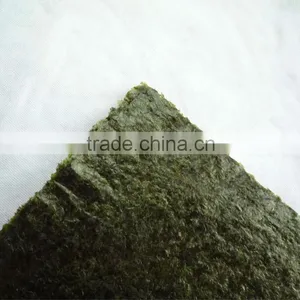
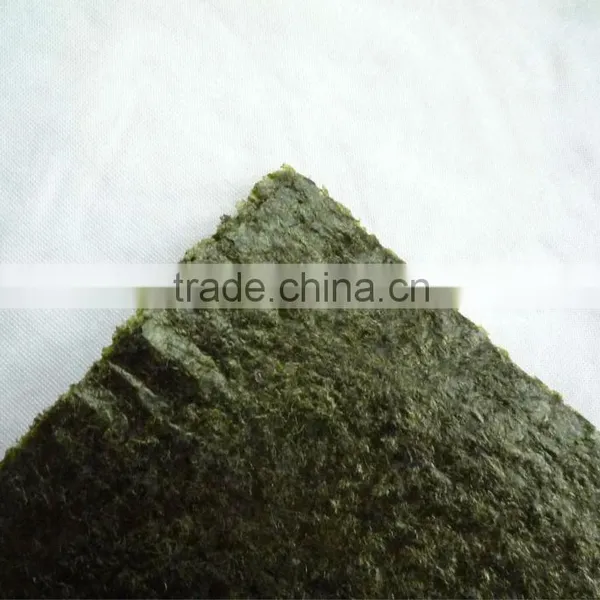
Roasted Seaweed Laver Yaki Sushi Nori


Related Products
-
 Toasted Seaweed LaverUS$ 3.5 - 4.8MOQ: 100 Kilograms
 -
Toasted Seaweed-Yaki NoriUS$ 3.5 - 4.8MOQ: 100 Kilograms
-
Roasted Seaweed-Yaki NoriUS$ 3.5 - 4.8MOQ: 100 Kilograms
-
Roasted Seaweed-Yaki Sushi NoriUS$ 3.5 - 4.8MOQ: 100 Kilograms
-
Toasted Seaweed-Yaki Sushi NoriUS$ 3.5 - 4.8MOQ: 100 Kilograms
Specifications
1.Seaweed Yaki sushi nori2.Specification:2.5g/sheet, 50 or 100sheets/pack
3.Quality: various grades
4.Packing:10kgs/CTN
Product name: Yaki sushi nori, roasted seaweed laver, roasted seaweed
| Quality Grade: | A--gold, B--silver, C--blue, D--green |
| Taste: | crisp and tender |
| Flavor: | delicious and nutritious |
| Application: | for sushi and onigiri |
| Type: | seaweed nori |
| Net weight: | 2.5g/sheet |
| Shelf life: | 18months (properly stored) |
| Packing(1): | 50 shees/bag, 80bags/carton |
| Packing(2): | 100sheets/bag, 40bags/carton |
| 20’FCL loading: | 245 cartons |
1. Brief:
Nori is the Japanese name for edible seaweed species of the red alga genus Porphyra yezoensis and Porphyra tenera, called laver in Wales and other English-speaking countries though the popularity of sushi, either referring to the product as "nori" as the Japanese do, or simply as seaweed. Finished products are made by a shredding and rack-drying process that resembles papermaking.
2. Application: .
Nori is commonly used as a wrap for sushi and onigiri. It is also a garnish or flavoring in noodle preparations and soups. It is most typically toasted prior to consumption (yaki-nori in Japanese). A common secondary product is toasted and flavored nori (ajitsuke-nori in Japanese), in which a flavoring mixture is applied in combination with the toasting process. It is also eaten by making it into a soy sauce-flavored paste, nori no tsukudani.
Nori is sometimes used as a form of food decoration.
Since nori sheets easily absorb water from the air and degrade, a desiccant is indispensable when storing it.
3. Nutritional fact:
Nori is about a third protein and a third dietary fiber. It contains high proportions of iodine, carotene, vitamins A, B and C, as well as significant amounts of calcium and iron. While the nutritional value varies, one example of 100 g of dry yaki-nori contains:
| Protein | 41.4g |
| Fat | 3.7g |
| Dietary fiber | 36.0g |
| Calcium | 280mg |
| Magnesium | 300mg |
| Potassium | 2.4mg |
| Iodine | 6.0mg |
| Zinc | 3.6mg |
| Iron | 11.4mg |
| Vitamin A (ß-caratene) | 25.0m |
| Vitamin E | 4.6mg |
| Vitamin K | 390µg |
| Vitamin B1 | 690µg |
| Vitamin B2 | 2.33mg |
| Niacin | 11.7mg |
| Vitamin B6 | 590µg |
| Folic acid | 1.90µg |
| Pantothenic acid | 1.18mg |
| Vitamin C | 210mg |

Send Inquiry to This Supplier

You May Also Like
-
Whole Mushroom Slice Mushroom in Brine or in SO2 in Drum SETA Preservada en TamborNegotiableMOQ: 1 Twenty-Foot Container
-
Seasoned Seaweed Furikake Rice Seasoning Korean/Japanese Style Nori Komi Sesame Sprinkle for Rice Sushi OnigiriNegotiableMOQ: 100 Cartons
-
SUILLUS GRANULATUS IN BRINENegotiableMOQ: 18 Tons
-
20cut Roasted Seaweed, Dried Seaweed, Seaweed for Wrapping Rice, Hand -rolled SushiNegotiableMOQ: 10 Cartons
-
Fresh Mushroom (WWWdotSULEN-INDdotCOM)NegotiableMOQ: 50 Bags
-
Chinese Round Shape Purple Laver for Cooking SoupUS$ 11 - 12MOQ: 10 Kilograms
-
IQF Frozen Chanterelles Mushroom Cantharellus CibariusUS$ 1300 - 2500MOQ: 10 Metric Tons
-
10 Sheets Sushi Ingredient Dried Laver SeaweedUS$ 0.42 - 0.75MOQ: 200 Cartons
-
Yaki Sushi Nori 50 Sheets Grade CNegotiableMOQ: 100 Cartons
-
99% Cell-Wall Broken Ganoderma Lucidum Spore Powder/Lingzhi (Ruishi)Mushroom SporeUS$ 200 - 500MOQ: 10 Kilograms


