








 Contact Platform Support
 Help Center
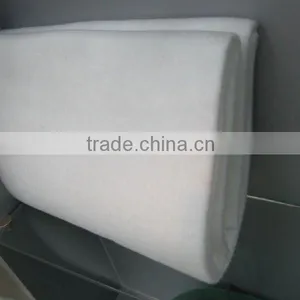
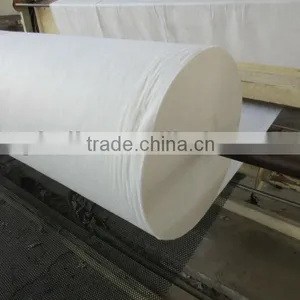
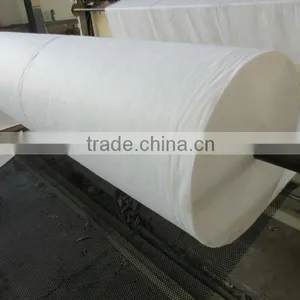
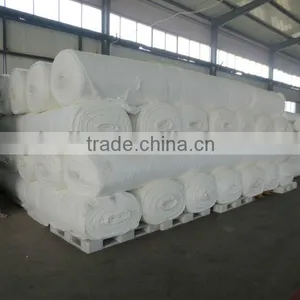
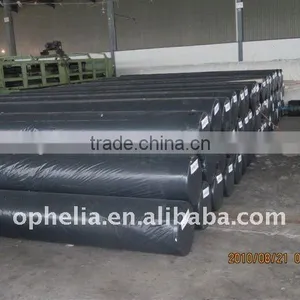
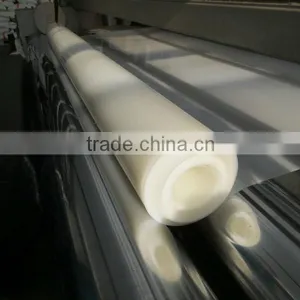
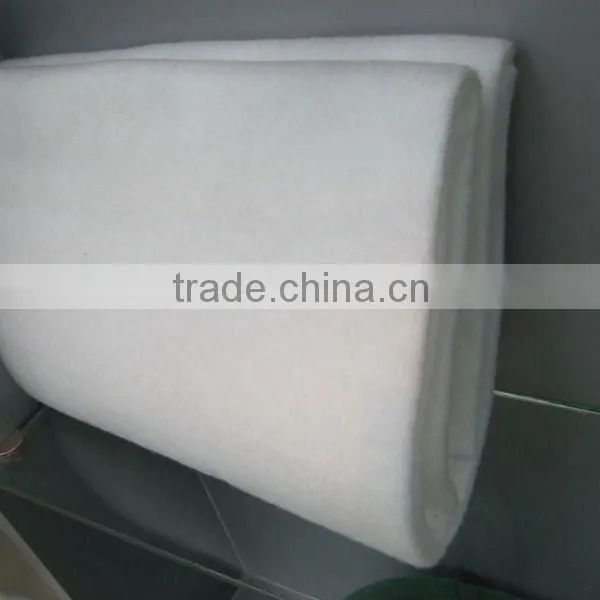
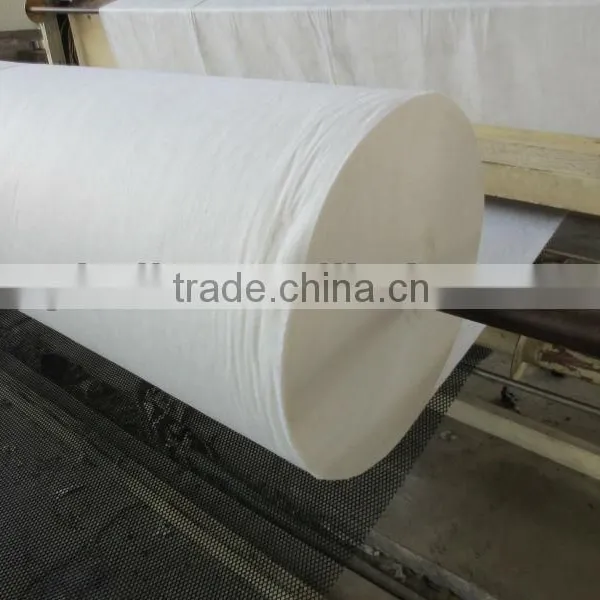
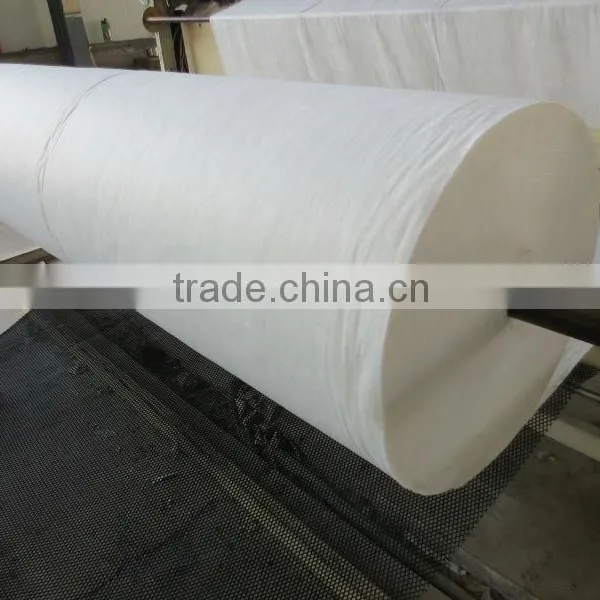
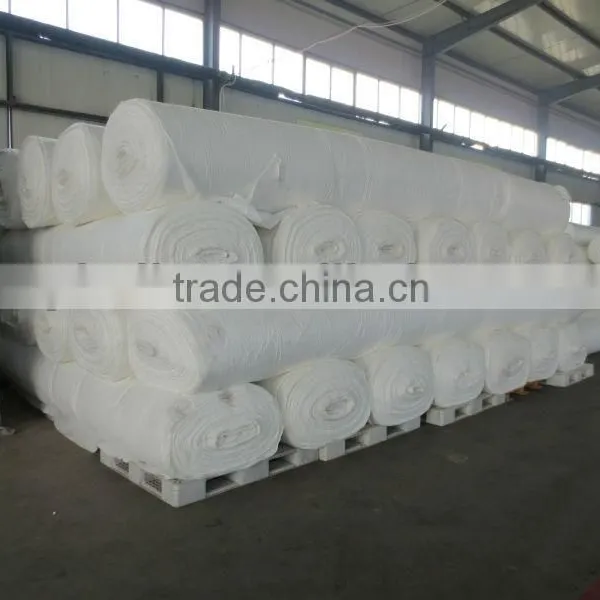
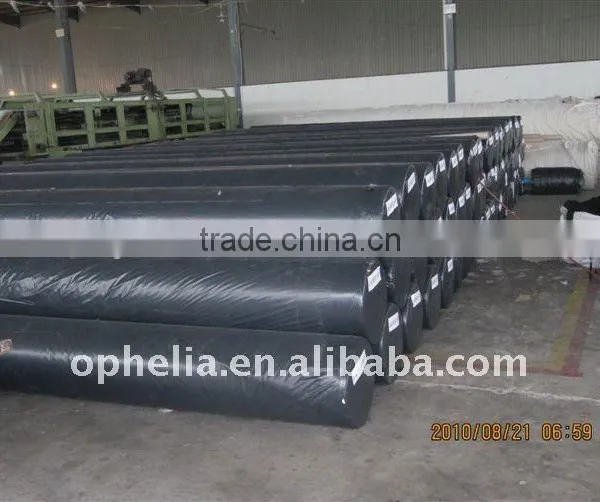
ASTM Standard PP Staple Fiber Needle Punched Nonwoven Polypropylene Geotextile


Related Products
-
 Best Price High Strength ASTM Standard PP Staple Fiber Needle Punched Nonwoven Polypropylene GeotextileUS$ 0.5 - 1.5MOQ: 1
 -
ASTM Standard PP Woven Geotextile in 100%polypropyleneUS$ 0.5 - 1.5MOQ: 1
-
China Top Quality PET/PP Nonwoven Geotextile for Road ConstructionUS$ 0.5 - 1.5MOQ: 1
-
Best Price High Strength 100% Polypropylene Woven GeotextileUS$ 0.5 - 1.5MOQ: 1
-
Hot Sale Plastic Woven Geotextile Polypropylene Woven GeotextilesUS$ 0.5 - 1.5MOQ: 1
Nonwoven polypropylene geotextile
Product description:
These are needle punched products - a process in which barbed needles are punched through a mat of fibres to create a coherent fabric by the process of entanglement. The fibres are made by melting polypropylene crystals and extruding the liquid through a nozzle containing thousands of tiny holes. After extrusion, the fibres are strengthened whilst cooling, by stretching them - a process called 'drawing'. As the yarn is stretched, so its diameter decreases and the molecules become longitudinally orientated. The tensile strength increases and the breaking strain decreases accordingly. The weight of an individual fibre is traditionally described in units called "tex". A thread of 1 tex has a weight of 1 gram at a fixed length of 1 km. Consequently, as the fibre becomes finer, so the tex becomes less. Fibres of different tex values are chosen to be needlepunched, depending upon the required geotextile type and function. Fibres can be pre-treated before needle punching, for example they can be cut in certain ways or made in angular cross sections. This can create increased fibre-to-fibre friction. By varying the type of fibre, the degree of needle punching, or the use of heating to generate fibre-to-fibre fusion, the manufacturer can create a nearly-endless permutation of nonwoven geotextiles with different characteristics.
Applications:
Nonwoven polypropylene geotextiles have a high stretch factor before breaking. They will deform when subjected to a load without building up a large amount of tension. Consequently nonwoven textiles are ideal for use as separating layers, as filters, or for the protection of geomembranes against damage. The randomly orientated, three-dimensional structure of the needled fibres can be used to provide a relatively large thickness to nonwoven geotextiles. The in-plane transmission of water or gas can take place within the geotextile: each nonwoven geotextile having its own specific transmissivity. This property can be used for the de-gasification of waste disposal dumps or for dewatering soils beneath new embankments, for example, to accelerate the process of consolidation.
Drawing:
Product images:
Applications images:

Send Inquiry to This Supplier

You May Also Like
-
Spunbond Non-woven FabricNegotiableMOQ: 2400 Kilograms
-
Screen PVC Teslin Mesh With UV Coating, Good Material for SunshieldNegotiableMOQ: 1 Twenty-Foot Container
-
Round Tarp Bag For Laundry Bag Gardening Bag Tool StorageNegotiableMOQ: 1
-
Heavy Duty UV Treated Waterproof Transparent Tarp Clear PE Tarpaulin for Greenhouse Poultry CoverNegotiableMOQ: 1
-
Super Soft White SS Non Woven Fabric for Sanitary NapkinUS$ 1.6 - 2.8MOQ: 10000 Kilograms
-
Pure Silk Fabric Cotton FabricUS$ 1.08 - 3.02MOQ: 3000 Meters
-
Fabric Polyester Printing Banner Large Format Advertisement BannerUS$ 16 - 23MOQ: 1 Square Meter
-
W-0032 Wool Rayon FabricUS$ 2 - 4MOQ: 3500 Meters
-
Screen Printed Spun RayonUS$ 0.38 - 1MOQ: 10000 Yards
-
Biaxial Fabric (+/-45 Degree)NegotiableMOQ: 1 Ton
