








 Contact Platform Support
 Help Center
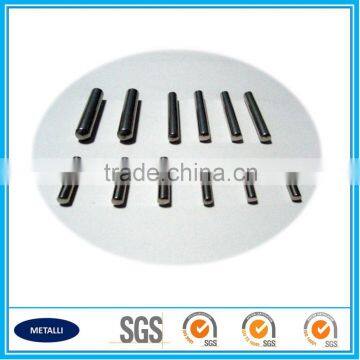
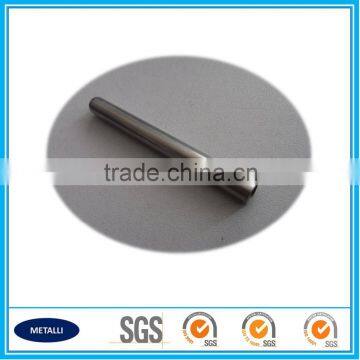
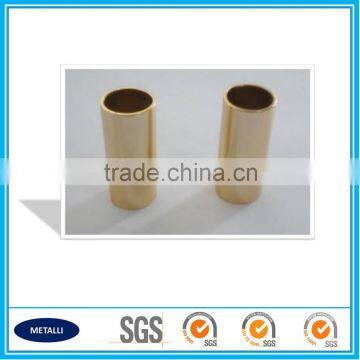
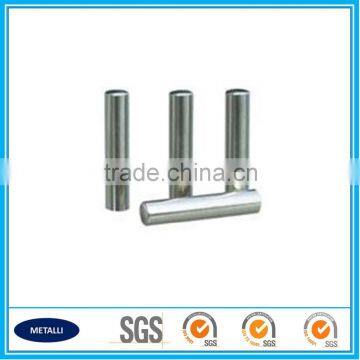
Deep Drawing Part Sensing Element Shield


Related Products
-
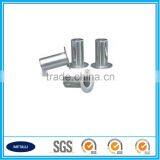
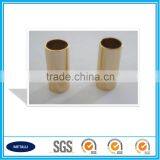
 Deep Drawing Part Sensing Element ShellUS$ 0.25 - 0.5MOQ: 5000 Pieces
 -
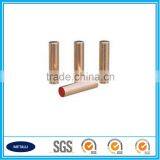
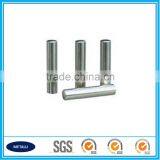
Deep Drawing Part Sensing Element HousingUS$ 0.25 - 0.5MOQ: 5000 Pieces
-
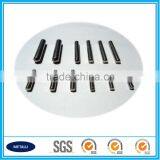
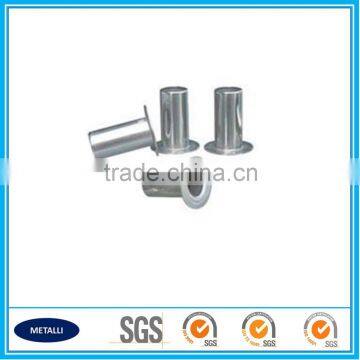
Deep Drawn Part Transducer ShieldUS$ 0.25 - 0.5MOQ: 5000 Pieces
-
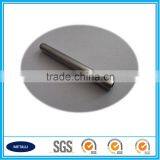
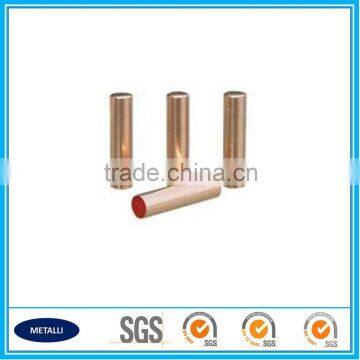
Deep Drawn Part Transducer ShellUS$ 0.25 - 0.5MOQ: 5000 Pieces
-
Deep Drawn Part Transducer HousingUS$ 0.25 - 0.5MOQ: 5000 Pieces
| 1. Material | ||||||||||||||
| No. | Material Description | |||||||||||||
| 1.1 | Mild steel,stainless steel,aluminum alloy,galvanized steel,or custom,etc. | |||||||||||||
| 2. Product size and tolerance | ||||||||||||||
| No. | Specification | Size | Tolerance | |||||||||||
| 2.1 | Length (mm) | 20,50,60 or custom | ±0.2 | |||||||||||
| 2.2 | Wall Thickness (mm) | 0.25,0.3,0.35,0.5 or custom | ±0.02 | |||||||||||
| 2.4 | Outer diameter (mm) | 20,50,60 or custom | ±0.1 | |||||||||||
| 3. Surface finish and other properties | ||||||||||||||
| No. | Item | Description | ||||||||||||
| 3.1 | Surface finish | Powder coating,glavanization coating,electrophoretic treatment,etc. | ||||||||||||
| 32 | Surface roughness (Ra) | As per customer's requirements | ||||||||||||
| 3.3 | Manufacturing Process Brief | Material preparation→Deep drawing →Reshaping→Surface treatment | ||||||||||||
| 4. Packing,Shipping and others | ||||||||||||||
| No. | Item | Description | ||||||||||||
| 4.1 | Packing | To be packed in wooden crate with protection film | ||||||||||||
| 4.2 | Marking | Each box to be legibly marked with the name of the manufacturer or supplier, the designation of material,condition,dimensions and weight | ||||||||||||
| 4.3 | Shipping tools | Ship goods by van to departune port then by sea to desitination port | ||||||||||||
| 5.Quality management and spot management | ||||||||||||||
| No. | Item | Description | ||||||||||||
| 5.1 | Quality control | 1. Quality assurance a. Incoming material quality assurance; b. Process quality assurance; c. First sample quality assurance; d. Final quality assurance. 2. Process management-The right results are from the right process a. Production process card control; b. Standard operational procedure;c.Job certification;d. Quality chart monitor. 3. Equipment and facility management a. Periodic maintenance; b.Preventative maintenance. 4. Mold management a. Mold life management; b.Periodic and preventative maintenance; c. Periodic inspection. |
||||||||||||
| 5.2 | Inspection Tools | Altimeter,Vernier caliper,Micrometer,3D coordinate measuring instrument | ||||||||||||
| 5.3 | Spot management | "5S" management (sort,set in order,shine,standard,sustainable). | ||||||||||||
(1) What is deep drawing?
Deep drawing is a sheet metal forming process in which a sheet metal blank is radially drawn into a forming die by the mechanical action of a punch.[1] It is thus a shape transformation process with material retention. The process is considered "deep" drawing when the depth of the drawn part exceeds its diameter. This is achieved by redrawing the part through a series of dies. The flange region (sheet metal in the die shoulder area) experiences a radial drawing stress and a tangential compressive stress due to the material retention property. These compressive stresses (hoop stresses) result in flange wrinkles (wrinkles of the first order). Wrinkles can be prevented by using a blank holder, the function of which is to facilitate controlled material flow into the die radius.
(2) What are workpiece materials and power requirements?
Softer materials are much easier to deform and therefore require less force to draw. The following is a table demonstrating the draw force to percent reduction of commonly used materials.
Drawing force required for various materials and reductions [kN][9]
Material |
Percent reduction |
|||
39% |
43% |
47% |
50% |
|
Aluminium |
88 |
101 |
113 |
126 |
Brass |
117 |
134 |
151 |
168 |
Cold-rolled steel |
127 |
145 |
163 |
181 |
Stainless steel |
166 |
190 |
214 |
238 |
|
|
|
|
|
(3) Which materials are suitable for making tools?
Punches and dies are typically made of tool steel, however carbon steel is cheaper, but not as hard and is therefore used in less severe applications, it is also common to see cemented carbides used where high wear and abrasive resistance is present. Alloy steels are normally used for the ejector system to kick the part out and in durable and heat resistant blankholders.
(4) Which factors will have effects on deep drawn parts’ quality?
a. Material suitability;
b. The design of the tools, including shape rationality, surface treatment, dimension varation;
c. Lubrication and cooling during deep drawing process;
d. Equipment reliability;
e. Others like process design, transfer, etc. sometimes are also important.

Send Inquiry to This Supplier

You May Also Like
-
Aluminum 6061-T6 CNC Machining Services for Automotive PrototypingNegotiableMOQ: 10 Pieces
-
Towing Automobile Baler Long Design LifeNegotiableMOQ: 1 Set
-
Sheet Metal ProcessingNegotiableMOQ: 2500 Units
-
Custom Stamping Stainless Steel, Aluminum Bracket, Custom Metal StampingNegotiableMOQ: 1
-
Sheet Metal Fabrication Metal Wire Cutting EDM Fabrication ServiceUS$ 1.5 - 1.5MOQ: 1000 Kilograms
-
Brass Sheet Metal Stamped Parts Made By Progressive DieUS$ 0.1 - 0.1MOQ: 100 Pieces
-
Fashion Customized Metal Wire Rope Luggage Hang TagUS$ 0.1 - 0.8MOQ: 500 Pieces
-
10 Inch Sheet Metal Nibbler With Wire Cutter For Cutting ToolUS$ 8 - 20MOQ: 624 Pieces
-
China ISO CUSTOM Sheetmetal PartsUS$ 4.9 - 7.9MOQ: 1000 Pieces
-
Stainless Steel Meat HookNegotiableMOQ: 50 Pieces


