








 Contact Platform Support
 Help Center
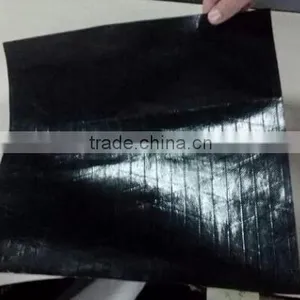
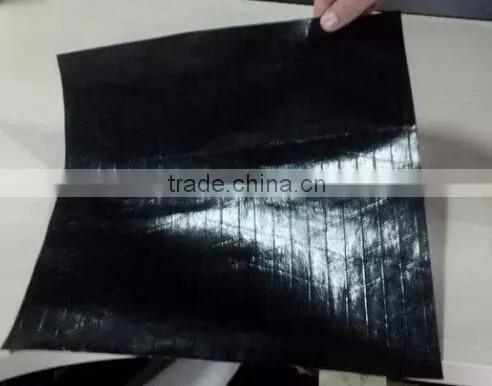
Hot Sell -Damp-proof Course(DPC)


Related Products
-
 Other Waterproof Materials- Damp-proof Course(DPC)US$ 6 - 6.7MOQ: 1000 Square Meters
 -
Damp-proof Course(DPC)US$ 6 - 6.7MOQ: 1000 Square Meters
-
Polymer PP and PE Waterproof MembraneNegotiableMOQ: 300 Square Meters
-
Modified Bitumen Chemical Root Puncture Resistance Waterproof Membrane (PRM-C)NegotiableMOQ: 300 Square Meters
-
Polymer Polyethylene Polypropylene Root Puncture Resistance Waterproof Membrane (PRM-F)NegotiableMOQ: 300 Square Meters
Specifications
hot sell -Damp-proof Course(DPC)1.Low price, good quality.
2.Resist moisture
3.Stop dampness
4.Avoid water arising to wall.
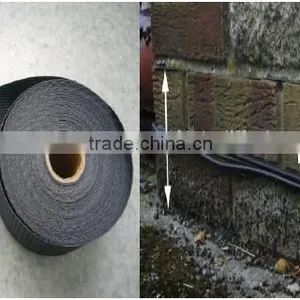
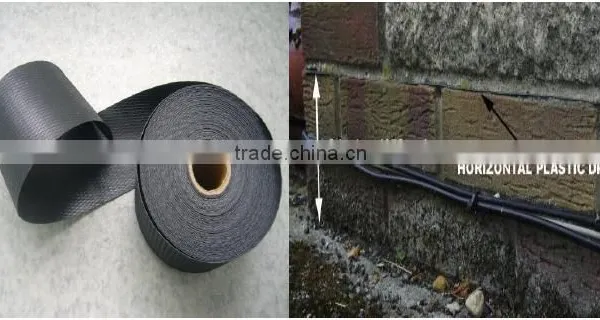
hot sell-Damp-proof Course (DPC)
Introduction
Damp proofing in construction is a type of waterproofing applied to building foundation walls to
prevent moisture from passing through the walls into interior spaces.
A damp-proof course (often abbreviated to DPC) is a horizontal barrier in a wall designed to resist
moisture rising through the structure by capillary action---a phenomenon known as rising damp. In
simpler words, DPC is used to stop dampness in buildings.
In theory, due to capillary movement of water, water rises from earth to building, passing through
foundation and rising higher to reach walls. The reaching water may damage walls, causing cracks,
breaking cement-paint bonds appearing dark-spots etc. Therefore, to avoid water arising to walls,
we lay DPC layer at plinth level (the joint level of walls and foundations). DPC layer is usually laid
below all the walls unaffected from the issue that the respective wall is a load bearing wall or a
partition wall.
Specification
Thickness: 450-1200um
Width: 50-400mm
Length: 30-100m
Step 1:
The surrounding area is covered up with drop sheets protecting the floor and furniture. A horizontal
cut is made through the mortar in the first practical course of brickwork above the floor level. This
process is carried out one metre at a time. Cavity walls are cleaned of rubble and debris to prevent
bridging of the damp course.
Step 2:
The Polypropylene Damp Proof Course measuring 2mm thick is inserted and overlapped to provide
a continuous barrier against Rising Damp. Non-corrosive Aluminium wedges are then inserted
between the Polypropylene and the above brick course for extra support. A Vertical Membrane Skirt
(heavy duty Forticon plastic) is inserted at the Damp Proof Course level down to between the floor
and wall (where practical) to protect the floor boards and skirting from dry rot.
Step 3:
The brickwork is then re-mortared (bricks are returned/replaced and re-mortared on cavity walls)
ready for rendering/plastering. The Damp Proof Course installation will prevent RisingDamp from
reoccurring in the future. However, the existing wall surface, if rendered/plastered surface, above
the newly inserted Damp Proof Course will still show the effects of the Rising Damp. In order to
rectify this, DampShield recommends stripping the damaged render/plaster up to one metre high to
expose the brickwork. If required, this procedure will be carried out at the time of Damp Proof
Course installation.
During the drying out period, salty deposits in the brickwork will surface depending on humidity
levels. These salt deposits need to be neutralised to prevent damage to the new render/plaster.
Damp Shield includes a Salt Neutraliser additive to the render/plaster preventing any future salt
activity, returning the wall surface back to its original condition for painting.

Send Inquiry to This Supplier

You May Also Like
-
Asphalt Waterproof MembraneNegotiableMOQ: 2400 Rolls
-
Epoxy Injection Packers for PU GroutingNegotiableMOQ: 1
-
Polymer Cement Based Waterproofing CoatingUS$ 1,900 - 3,000MOQ: 1 Ton
-
Artificial Marble for Room Covered High Glossy Water and Fire ProofUS$ 3 - 8MOQ: 300 Square Meters
-
Waterproof Pad for BabyUS$ 2 - 7MOQ: 3000 Packs
-
GCL Sodium Bentonite Waterproof BlanketUS$ 1 - 2MOQ: 3000 Square Meters
-
Foshan Shunde Lecong Furniture Market Business Visiting Assistant Traveling Service Sourcing Purchasing Delivery AgentUS$ 1 - 1,000MOQ: 1 Case
-
CROWN WATER PROOFING MEMBRANENegotiableMOQ: 1
-
PET/PP Needle Punched Nonwoven Geotextile 100gsmUS$ 0.1 - 0.6MOQ: 40 Rolls
-
Water Vapour BarrierUS$ 0.5 - 0.99MOQ: 5000 Square Meters

