








 Contact Platform Support
 Help Center
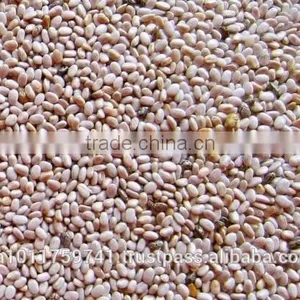
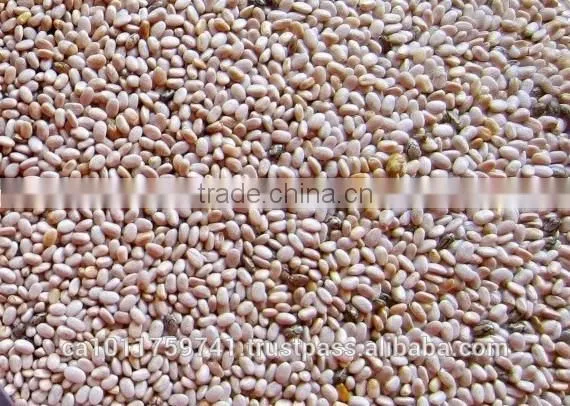
Chia Seeds White

Related Products
Specifications
Product Type Chia seeds black, Style Dried, Drying Process Natural & process, Packaging 50 Kg bag,Cultivation Type Common
Black Chia seeds
What Are Chia Seeds?
The chia plant (from which chia seeds are derived) is a flowering member of the mint family, native to parts of Mexico and Guatemala. Nowadays chia plants are grown widely throughout South America, as well as in parts of Australia.
Chia seeds generally come in two varieties (white and black), although there are no significant nutritional differences between the two. In Australia, you can buy chia seeds at most large supermarkets (Woolworths, Coles, IGA etc) or at specialty health food stores. They are gluten free and unlike flaxseeds, chia seeds do not need to be ground in order to be absorbed by the body.
What Makes Them So Super?
Omega 3: Chia seeds are one of the highest plant based sources of Omega 3, specifically, alpha-linolenic acid; a type of polyunsaturated fat essential to healthy brain and heart function. Omega 3s are required to build new cell membranes, reduce inflammation, maintain healthy cholesterol levels and control blood clotting. As humans cannot make Omega 3, they must obtain them through their diet. One tablespoon of chia seeds (approximately 15g) contains around 3g of Omega 3.
Fibre: Chia seeds contain around 30% dietary fibre, or about 4-5g per tablespoon. Fibre is vital to maintaining overall health, in that it regulates bowel function, helps lower cholesterol and reduces inflammation. Two tablespoons of chia seeds contains around one third of your daily recommended intake of fibre.
Protein: Chia seeds are a complete protein, meaning they contain all essential amino acids (those that cannot be produced by the body and must be obtained through one’s diet). Two tablespoons of chia seeds contains around 4-5g of protein, making it an great plant-based protein source.
Antioxidants: Chia seeds are packed with antioxidants, which are important compounds that fight free-radical damage. Consumption of antioxidants is linked with lowered risk of diseases such as cancer and cardiovascular disease, as well as anti-ageing factors.
Minerals: From calcium to iron, potassium to manganese, chia seeds are loaded with important minerals crucial for maintaining a healthy body. In fact, on a weight-by-weight basis, chia seeds contain more calcium than milk, more potassium than bananas and more iron than spinach! Chia seeds also contain high levels of magnesium, zinc and phosphorous.
Blood Sugar:Chia seeds are believed to slow the rate at which certain carbohydrates are metabolised by the body, thereby helping prevent spikes in insulin levels. This means chia seeds may help control blood sugar levels
Black Chia seeds
What Are Chia Seeds?
The chia plant (from which chia seeds are derived) is a flowering member of the mint family, native to parts of Mexico and Guatemala. Nowadays chia plants are grown widely throughout South America, as well as in parts of Australia.
Chia seeds generally come in two varieties (white and black), although there are no significant nutritional differences between the two. In Australia, you can buy chia seeds at most large supermarkets (Woolworths, Coles, IGA etc) or at specialty health food stores. They are gluten free and unlike flaxseeds, chia seeds do not need to be ground in order to be absorbed by the body.
What Makes Them So Super?
Omega 3: Chia seeds are one of the highest plant based sources of Omega 3, specifically, alpha-linolenic acid; a type of polyunsaturated fat essential to healthy brain and heart function. Omega 3s are required to build new cell membranes, reduce inflammation, maintain healthy cholesterol levels and control blood clotting. As humans cannot make Omega 3, they must obtain them through their diet. One tablespoon of chia seeds (approximately 15g) contains around 3g of Omega 3.
Fibre: Chia seeds contain around 30% dietary fibre, or about 4-5g per tablespoon. Fibre is vital to maintaining overall health, in that it regulates bowel function, helps lower cholesterol and reduces inflammation. Two tablespoons of chia seeds contains around one third of your daily recommended intake of fibre.
Protein: Chia seeds are a complete protein, meaning they contain all essential amino acids (those that cannot be produced by the body and must be obtained through one’s diet). Two tablespoons of chia seeds contains around 4-5g of protein, making it an great plant-based protein source.
Antioxidants: Chia seeds are packed with antioxidants, which are important compounds that fight free-radical damage. Consumption of antioxidants is linked with lowered risk of diseases such as cancer and cardiovascular disease, as well as anti-ageing factors.
Minerals: From calcium to iron, potassium to manganese, chia seeds are loaded with important minerals crucial for maintaining a healthy body. In fact, on a weight-by-weight basis, chia seeds contain more calcium than milk, more potassium than bananas and more iron than spinach! Chia seeds also contain high levels of magnesium, zinc and phosphorous.
Blood Sugar: Chia seeds are believed to slow the rate at which certain carbohydrates are metabolised by the body, thereby helping prevent spikes in insulin levels. This means chia seeds may help control blood sugar levels

Send Inquiry to This Supplier

You May Also Like
-
 5XK-2.0 Sunflower Seed CleanerUS$ 1 - 10,000MOQ: 1 Unit
 -
SeedNegotiableMOQ: 10 Pieces
-
Root TipNegotiableMOQ: 50 Pieces
-
SESAME SEEDSUS$ 1,200 - 1,200MOQ: 50 Metric Tons
-
Bulk Hemp Seeds, Chia Seeds, Goji Seeds, Moringa SeedsNegotiableMOQ: 1 Metric Ton
-
Radish Seed Hybrid F1 Mino EarlyUS$ 50 - 60MOQ: 10 Kilograms
-
Frozen Garlic PasteUS$ 900MOQ: 24 Tons
-
Momotaro Grape Seedling Grape VinesUS$ 1 - 3MOQ: 100 Plants
-
Baking Time, Temperature and Baking Process Parameters for Food, Medicinal Herbs and Miscellaneous Grains. Tongkang Baking and Drying Box Drying TechnologyNegotiableMOQ: 0
-
Jade 808 Hybrid Summer Squash VarietyNegotiableMOQ: 1 Kilogram


