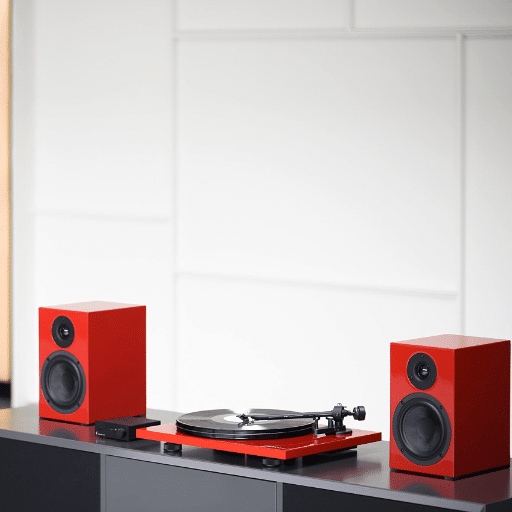
The architecture and components of a “speaker box” significantly influence audio fidelity. There’s something about the music that hits differently when it’s played through a properly designed audio speaker. From a simple home audio system upgrade to being a music enthusiast, gaining knowledge about speaker boxes will enhance one’s listening experiences. This article focuses on the basic construction materials, acoustic engineering innovations, and advanced technology that contribute to making a perfect speaker box. We will highlight how sophisticated design works best in conjunction with practical functionality, resulting in superb sound performance.
How to Choose the Right Speaker Box for Your Needs?
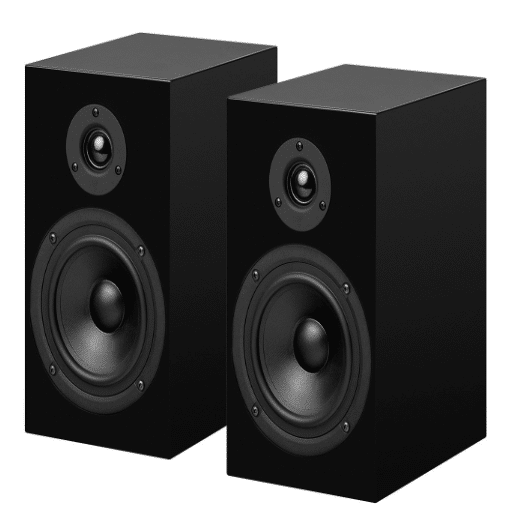
Identifying one’s needs is the first step when looking for a suitable speaker box. First, decipher the type of experience you want to have. For instance, do you prefer powerful bass, smooth-voiced vocals, or pristine treble? As for the size of the speaker box, it should be proportionate to the space where you want to place it, considering unobstructed sound system projection. The sound-breaking materials, as well as construction quality, should not be neglected because they determine acoustics and durability. Finally, ensure that the box is within budget without sacrificing standards to achieve value for money.
Understanding Different Types of Speaker Box Designs
The designs of speaker boxes have a significant effect on how audio is performed, as they determine how sound waves propagate and interact with the surrounding space. The following are some of the common types of speaker box designs and their descriptions.
Sealed Enclosures: Also termed as acoustic suspension designs, sealed enclosures are completely airtight. This design delivers a tight and precise bass response, making it ideal for critical listening situations where sound quality is crucial. Sealed enclosures may not achieve the deep bass of some other designs, but the bass they do produce tends to be cleaner and more controlled with lower distortion.
Ported Enclosures: Also known as bass reflex designs, ported enclosures have a vent or port that increases low-frequency response. The design allows air to move in and out of the enclosure, which enhances the power and depth of the bass produced. Ported enclosures are also popular in home theater systems and other applications where low-end “punch” is crucial. However, this design may sacrifice some accuracy for high output.
Bandpass Enclosures: Bandpass enclosures are a special design that isolates a specific frequency range to enhance bass output. These bass enclosures have two chambers, one sealed and one with holes, which can improve certain low-frequency sounds. They are often used in car audio and other applications where emphasis on bass is desired. However, they may lack the fidelity required to reproduce midrange and high frequencies.
Transmission Line Enclosures: In the construction of transmission line enclosures, internal passages in the speaker box are used to conduct sound waves, allowing for lower resonance while extending the low frequencies. This design, without sacrificing detail, provides tight bass paired with clarity and depth. Audiophiles love transmission line speakers, but usually require a larger size and a higher price to manufacture.
Passive Radiator Enclosures: These enclosures use a passive driver, also known as a radiator, in place of a port to improve bass reproduction. The passive radiator captures the changes in air pressure caused by the main driver, adding depth to the sound but not its port noise. They are perfect for small speaker designs that want to achieve greater bass output while maintaining a small size.
Picking A Design That Suits You Best: All designs possess different strengths and weaknesses. Therefore, your particular use case, as well as your personal listening preferences, are critical in making the final decision. Statistically speaking, ported enclosures seem to be the most popular in versatile dynamic audio settings because of their efficiency and impact on bass. In contrast, sealed enclosures are favored in studio and audiophile setups that prioritize accuracy. With advancements in materials and engineering, modern speaker designs can cater to a broader range of diverse needs more effectively.
Factors to Consider When Selecting a Speaker Box
Type of Enclosure: Decisions regarding sealed, ported, and other specialized enclosures, such as bandpass designs, have a significant influence on sound performance. Sealed enclosures have a reputation for accurate and tight bass response, preserving precision in focused settings. Ported enclosures, in contrast, deliver deep and pronounced bass, making them suitable for outdoor and extensive room use. Research suggests that ported enclosures are more efficient than sealed designs at producing bass frequencies, often providing up to 3 dB more output than sealed enclosures of similar size.
Construction: Materials used in speaker cabinet construction include medium-density fiberboard (MDF), plywood, and high-density polyurethane. MDF is favored for its affordability, density, and good resonance-damping properties (i.e., minimal resonance with sound output). Some high-end designs are made from composite materials to reduce distortion and increase durability.
Size and Placement: The speaker box dimensions affect its output and other factors, such as the surrounding environment. In general, larger boxes provide enhanced resonant bass, and smaller boxes are optimal for compact spaces. Studies also suggest that the speaker’s position is critical; speakers set up near walls tend to have their low-frequency sounds amplified, while those positioned away from walls tend to have a more muted and balanced response.
Tuning and Frequency Response: Many ported enclosures come with features that allow tuning, which lets users adjust how bass performs for their specific settings or preferences. To guarantee the best sound quality, a speaker driver and box must be matched correctly. For instance, professional subwoofers are usually set to be most efficient within a 20-200 Hz frequency range.
Strength and Weatherproofing: For outdoor or portable use, speakers must be placed in enclosures with weatherproof coatings or structures that can withstand harsh temperatures and humidity. Innovations now include non-corroding grilles, UV-stable finishes, and water-resistant sealant, which enable them to endure the outdoors for extended periods.
Compatibility with Drivers: Adequate speaker boxes allow for effective sound delivery, relying on the driver’s size and power. A mismatch between a driver’s power output and an enclosure can result in distortion or underwhelming performance. Advanced systems often provide compatibility metrics to make this selection easier.
Holistic consideration of all factors is necessary to inform the choice of speaker boxes. Combining aspects like enclosure type, material, and design with the listening environment yields tailored sound quality.
How Speaker Box Size Affects Sound Quality
The dimensions of a speaker box can significantly affect the quality of the sound produced. All else being equal, a larger enclosure has better bass response because it allows more room for air movement, which enables lower-frequency sound waves to develop fully. Optimal performance is achieved when subwoofers are paired with bigger boxes, as they produce deeper bass tones. Smaller enclosures, on the other hand, are more suited for midrange and high-frequency sounds as they are tighter in audio reproduction, which enhances vocal and instrumental clarity and sharpness.
Studies in Acoustics demonstrate that the internal volume of a speaker box is related to the box’s resonant frequency. A larger box increases the resonant frequency, which decreases its ability to produce low-frequency sounds. For example, the 12-inch subwoofer would need a box with 2-3 cubic feet of internal space to function ideally, while an 8-inch counterpart would only need around ½ to 1 cubic foot.
Although provided with reasonable parameters, driver integration may lead to inefficiencies if there is a mismatch between the speaker size and box volume. Small speaker boxes tend to restrict airflow excessively, causing distortion that degrades performance, particularly in bass response. Big boxes, on the other hand, may allow sound to become overly loose, lacking cohesion, especially in the lower midrange and upper midrange, and bottom out in diction with the treble. That is why many manufacturers provide suggested enclosure dimensions to help users achieve equilibrium when balancing these attributes. Moreover, other innovations, such as ported or sealed designs, also help improve system flexibility as users are offered more options when tailoring the sound characteristics to their system requirements.
Meeting these requirements when defining the box volume and dimensions requires an intimate understanding of the intricate relationships between intended applications, whether for home audio or vehicle sound. Thus, with the specific driver and intended use in mind, every defined box size comes with optimal performance and achieved sound definition.
What Are the Key Design Elements of a Speaker Box?
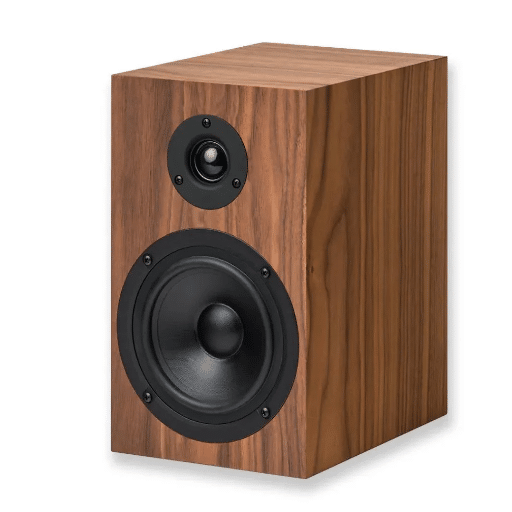
A speaker box’s performance hinges on several important design factors. First, the type of enclosure (sealed, ported, or bandpass) influences the sound profile, including bass response and efficiency. Second, the internal volume also needs to be tailored precisely to the speaker driver’s dimensions to operate optimally. Third, the construction and material of the enclosure affect its durability and resonance control: denser materials usually provide better sound insulation. Lastly, bracing and damping within the box eliminate unwanted vibrations and distortion, which ensures reproduction of sound that is clearer, rather than muted. All design elements combine to yield accurate fidelity and a rich depth to the sound experience provided.
The Role of Enclosure in Sound Reproduction
New technologies and materials have recently been adopted in speaker enclosure construction to improve sound quality further. For example, new composite materials such as MDF (medium-density fiberboard) and HDF (high-density fiberboard) are gaining popularity due to their sound absorption value—a combination of density, low cost, and ease of molding or design. Some high-end manufacturers are using composite resins or carbon fiber to reduce resonance further.
Perfect mechanical support through innovative internal mechanical braces that prevent enclosure wall flexing is being worked on. Study results indicate that advanced bracing configurations reduce harmonic distortion, making it possible to achieve accurate sound reproduction even at high volumes.
Ported or bass-reflex enclosures have also been optimized. Most modern bass-reflex systems feature ports with aerodynamic shapes to minimize turbulence and port noise. CFD (Computational Fluid Dynamics) modelling proves that the smoother the airflow through the ports, the better the performance, and that low-range frequencies and clean, deep bass tones are produced.
Lastly, some manufacturers are turning to new technologies such as laser vibrometry to help analyze the vibration signatures of enclosures. This information helps improve the enclosure design, which in turn increases the accuracy and clarity of the audio output. With the advancement of materials and engineering, along with accurate designs, speaker enclosures continue to push the boundaries of high-quality sound reproduction.
Importance of MDF in the Construction of a Speaker Box
Due to its relatively lower cost per unit volume, stiffness, and density, medium-density fiberboard (MDF) is widely used in constructing speaker boxes. It is manufactured by compressing wood fiber with resin under heat and pressure, which results in a sound and uniform material ideal for acoustics. Its density minimizes vibrations and resonances that distort sound reproduction, thus providing cleaner and accurate audio output.
Another advantage of MDF is its damping ability, which is crucial in reducing unwanted noise within the enclosure. It is reported that the internal damping factor of MDF is greater than that of plywood and solid wood. Such characteristics also allow MDF to block the transference of vibrations from the speaker parts to the enclosure walls.
In addition, MDF’s surface smoothness allows for excellent machining, which enables the construction of enclosures to tight tolerances with intricate designs. This improves the alignment of the drivers and ports, which augments the sound clarity and balance.
In terms of cost-effectiveness, MDF is a high-performing material that is affordable. Its strength-to-weight ratio gives a solid foundation, which is both inexpensive and sophisticated, for speaker enclosures. Audio professionals and DIY enthusiasts alike go for MDF when constructing speaker boxes because it is a good balance of performance and price. MDF’s adaptability makes it suitable for exterior covering, such as strips of laminate and paint, making it visually appealing for home audio systems. These benefits reinforce MDF’s widespread use in the audio industry, optimizing users’ listening experience.
How Port and Vent Influence Audio Performance
Ports and vents are especially crucial for the functionality of speaker systems with bass reflex enclosures. They also help balance the low frequencies because they allow airflow in and out of the speaker enclosure. As sound waves travel from the back of the speaker cone, they use the port or vent to combine with the sound waves emanating from the front. This results in an enhanced deposition of bass tones.
For best results, optimal performance is achieved by properly tuning the port or vent. The port length, diameter, and volume of the enclosure set the tuning. Ports that have appropriate dimensions improve efficiency and reduce distortion better than poorly tuned ports. For instance, research indicates that reconing with tuned step correction increases the resonance amplification of low frequencies by an average of 10 decibels per specific radius of the tuned port escarpment.
On the other hand, poor port designs can lead to port noise or turbulence, resulting in lower audio quality. To reduce airflow turbulence and therefore improve sound quality, flared ports are frequently used. In audio engineering, ports, vents, and flared ports are optimized using modern computational and measurement methods, such as impedance and frequency response graphs. These processes enable enhanced design, providing balanced and immersive audio for all audiophiles.
Why is Subwoofer Box Design Crucial?
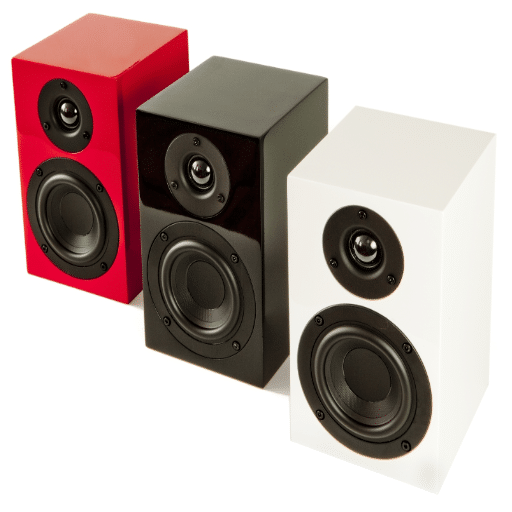
Due to its prudent structure, the subwoofer box design remains crucial to the function and quality of the subwoofer. With a precisely crafted box, proper airflow is achieved, which reduces distortion and enables the subwoofer to reproduce deep, accurate bass. The subwoofer’s enclosures and dimensions determine how the sound waves will reverberate, thus affecting the overall experience. In addition, a well-balanced subwoofer box design optimally restricts movement, allowing potentially damaging audio signals to be controlled while withstanding them, which prolongs the subwoofer’s life. A meticulous compromise of these factors achieves remarkable sound performance.
Enhancing Bass Response with the Right Subwoofer Box
To get the desired bass response with the appropriate subwoofer box, I make it a point to select a design that works well with the specific details of my subwoofer. I pay attention to the dimensions, shape (sealed, ported, or bandpass), and material of the box, as these characteristics directly influence the sound and quality of bass, making them vital. Correctly matching the enclosure to the subwoofer’s requirements ensures that accurate and powerful bass is produced while eliminating distortions and unnecessary vibrations.
Optimizing Subwoofer Box for Frequency Response
The process of achieving an optimal frequency response requires selecting and tuning the subwoofer box to complement the subwoofer. The type of enclosure significantly influences the operational frequency range of the subwoofer. Sealed enclosures, for example, exhibit very tight and accurate bass, while ported enclosures are more suited for enhancing low-end bass frequencies. Bandpass enclosures address the need for both lower and upper sideband suppression by providing output within a specific frequency range, thus focusing on higher efficiency.
To achieve the desired frequency response, it is crucial to know the Thiele-Small parameters of the specific subwoofer. Information such as FS (resonant frequency), QTS (total Q factor), and VAS (equivalent air compliance) gives clues about the subwoofer’s behavior and aids in its fitting enclosure size. For instance, subwoofers with a low frequency response (FS) value excel in deep bass reproduction. This is advantageous for hip-hop and electronic music that is heavy on low frequencies.
In addition, the port or bandpass box must also have a tuning frequency compatible with the subwoofer’s frequency range. For instance, port tuning at low frequencies improves the efficiency and the distortion characteristics of the system. Practical experiments indicate that most room acoustics respond best to strong, punchy bass from ported boxes with a tuning frequency of 30-40 Hz. Other factors also affect the frequency response. Stiff, dense materials like MDF (medium-density fiberboard) significantly improve issues with audio resonance, providing a cleaner output while dampening the resonance issues of the material.
Lastly, incorporating the right amount of damping materials within the box can improve the frequency response by eliminating standing waves and unwanted vibrations. The use of different calibration measures with audio instruments enables precise adjustments to ensure clarity. Considering the subwoofer box’s architecture, this also optimizes the listening experience in any setting.
Common Mistakes in Subwoofer Box Design and How to Avoid Them
Incorrect Box Volume: Not having the right internal volume of a box is one of the most common problems people encounter while designing a subwoofer box. Each subwoofer driver requires specific volume constraints to function effectively, which in turn determines the overall sound quality and performance. For instance, a box that is too small will restrict the driver’s movement, resulting in distortion and poor low-end response. A box that is too large will reduce the system’s power handling capability and the bass tightness. Always remember to check the subwoofer manufacturer’s specifications for the recommended box volume, whether you are building a sealed, ported, or bandpass design.
Ignoring Proper Sealing: Air leaks in subwoofer boxes caused by improper sealing reduce performance, resulting in the notorious “hollow” sound and a decrease in bass output. It is often the result of poorly joined edges or the use of insufficient sealants. Proper assembly, along with good glue or caulk for seams, is a determining factor. In the case of airtightness, completing the construction will make the box more efficient and save time.
Incorrect Port Tuning (for Ported Boxes): An enclosure’s port may be encapsulated and designed poorly, potentially leading to imbalances in airflow that go unheard, which can worsen due to external forces like mount locations. Reserve some space in calculations for advanced enclosure shape alterations. Rounded edges smoothen port turbulence brakes while tuned properly, suffocating port noise erupting from the schoff while tailoring boundaries.
Insufficient Bracing: Notched corner bracing or standalone gaps do not allow continuous stiffening towards the same pane. Severe overemphasis of bass forward-facing jacks may lead to the creation of stiff horizontal bending through decayed phase lockers. Supported with industrial bond like crafted screws, performance optimized exceed unused damping area friction.
Overlooking Damping Materials: Failing to use tailoring-grade adhesives results in dead, resonant reflections with smoothing. Using Damepa provides excess projection energy and strengthens the chassis volumetrically, while losing control over acoustic responsiveness through curve filtration, which helps closed enclosures perform optimally.
Misplaced Driver Positioning: Distortion can occur due to unequal airflow when the subwoofer driver is positioned too close to the box walls or ports. Maintain proper spacing between the driver, ports, and internal walls of the enclosure for best results. Adequate spacing ensures smoother airflow and decreased mechanical interference, which could impact performance.
Failure to Account for Power and Heat Management: Subwoofer performance and longevity can suffer when excess heat is generated. A poorly designed box may also exacerbate the problem by trapping heat. Cooling can be effectively controlled by including ventilation or employing thermal resistance materials within the box design. Additionally, thermal failures can be avoided by pairing the subwoofer with an amplifier that is adequately powered to prevent overdriving.
Key Data and Insights to Consider: Industry experts suggest achieving a subwoofer-box design match with tools like Thiele-Small (T/S) parameters. Research indicates that precision in box volume and tuning can enhance frequency response by up to 20%, significantly improving sound quality. Meanwhile, the addition of braces, combined with suitable damping materials, is estimated to lower box resonance by about 15% to 30%, resulting in tighter bass reproduction and a more enjoyable listening experience.
What Features to Look for in a Speaker Box?
Factors To Have In Mind While Picking A Speaker Box
Material Quality: The Material Must be Rigid And Stiff For Better Sound Quality. Look for strong materials such as MDF and plywood.
Box Type and Design: Based on what the user wants the speaker for, select sealed, ported, or bandpass types accordingly.
Internal Volume: Ensure the overall volume inside the box aligns with the subwoofer’s parameters and works best with its resonant frequency.
Bracing and Damping: Choose bold designs with bracing and damping materials that help control unwanted sound and reverberation, making the sound cleaner.
Build Precision: The construction of the speaker boxes must be accurate. It must be airtight to ensure no leaking sound for powerful sound.
Innovative Bluetooth and Wireless Capabilities
Developments in Bluetooth and other wireless technologies have started enhancing subwoofer systems in modern homes. Also, current developments support Bluetooth 5.0 and later versions, which have higher speeds, extended ranges (up to 800 feet in ideal conditions), and better stability. These developments assure low-latency streaming, which is perfect for immersive sound experiences.
Other noteworthy features include multi-device pairing, which allows users to connect and switch between different devices easily. This feature comes in handy in shared settings. Furthermore, many wireless subwoofers now work with smart home systems, such as Amazon Alexa, Google Home, and Apple HomeKit, allowing for voice activation. This cross-compatibility makes adjusting audio more straightforward and effortless.
Other emerging technologies also play a role; many subwoofers are now capable of supporting high-resolution audio streaming over wireless networks. This new standard significantly improves sound quality by lowering the compressed sound that is inherent in traditional methods. These dynamic and innovative wireless technologies empower subwoofer systems to maintain exceptional performance while meeting the needs of modern-day, interconnected lifestyles.
Importance of Seal and Construction Quality
The seal and construction quality of a subwoofer determine its performance, longevity, and durability. Basses are achieved with good enclosures because the air movement is controlled. Good subwoofers offer sound clarity and enhance the listener’s experience, while poorly sealed subwoofers can cause sound distortion.
Also, the quality of the material used in constructing the subwoofer enclosure plays a crucial role in restraining the vibrations and resonances that might be created. Research shows that enclosures made of dense materials, such as MDF (medium-density fiberboard), have excellent vibration damping, which helps achieve better audio precision. Additionally, sealed subwoofers tend to deliver tighter and more accurate bass performance tailored for music lovers who seek resonant sound without lower-grade designs.
Other research shows that good construction enhances the lifespan of the subwoofer. For instance, reinforced corners, bracing, and a watertight seal strengthen the device, protecting it from damage over time. Effective build quality gives the subwoofer the strength to withstand low sound wave rigors without being damaged, making it perfect for both home and professional-level audio setups.
Advanced Audio System Configuration
For optimal sound quality, an advanced audio system requires careful calibration and integration of its components. One critical concern is the arrangement and placement of speakers to ensure symmetrical sound distribution. The front speakers should form an equilateral triangle with the listening position to provide an immersive stereo experience. The best location for subwoofers is near walls or corners, as this boosts low-frequency response and decreases phase complications.
In addition, crossover settings are crucial in organizing subwoofers with other speakers. Most systems operate around a crossover frequency of 80 Hz, but the size and capabilities of your speakers and subwoofer can alter this figure. Proper time alignment also needs to be addressed; it calibrates sound waves so audio from various parts is delivered to the listener at the same time.
Room correction devices, such as Dirac Live or Audyssey, are now incorporated into modern systems. They adjust the room as a whole and change the volume of the speakers based on factors such as furniture placement, wall reflections, and room size. These factors ensure more balanced and accurate listening.
The most effective setup for small and medium-sized rooms suggests placing a bookshelf or compact floor-standing speakers 8 to 12 feet apart, with the listener positioned in the middle and leaning back slightly. Calibration peak measurements show that the subwoofer’s sound pressure level (SPL) should match that of other speakers for consistent, balanced audio. Usually, peaks are held at 75 dB during calibration tests. Adjusting these elements results in an audio system that can reproduce rich, undistorted sound without distortion across the entire frequency spectrum.
How to Build Your Speaker Box?
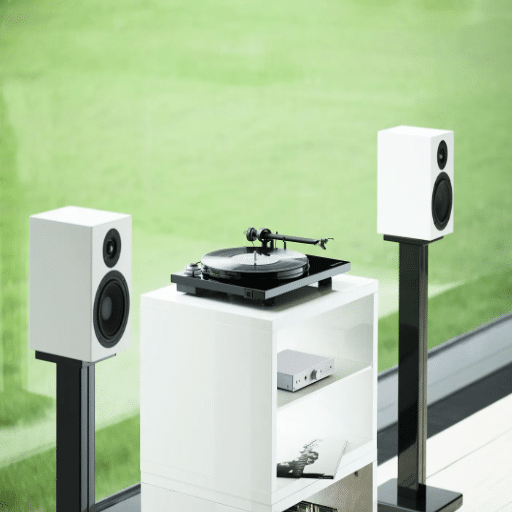
To create your speaker box, decide on the speaker type and size first, as they will influence the box’s height, width, depth, and internal volume. Use MDF (Medium-Density Fiberboard) as it is durable and helps reduce vibrations in the enclosure. Take the required measurements and cut the panels to ensure every edge is parallel; the corners must also meet perfectly. You can also use wooden screws alongside wood glue to assemble the box. Add silicone sealant to all joints to prevent air leaks. To decrease resonance, place additional struts on the sides of the box, also known as internal bracing, to enhance sound clarity. You can also add a hole for the speaker driver, and if you’re making a bass-reflex enclosure, a port. Place sound-absorbing material on the inside walls to stop unnecessary vibrations and improve clarity. Finally, add a layer of paint or another finish to the box to increase its durability and aesthetics after sanding the external surfaces. After assembling the parts, place the speakers and connect the wiring to the terminals.
Essential Tools and Materials for Speaker Box Build
While constructing a speaker box, to achieve my desired outcome, I will require numerous components. A drill for primary figure construction, saws (I prefer a jig) for cutting panels, and screwdrivers are essential tools. Additionally, adhesives such as silicone, wood glue, and self-damping material are immense. Moreover, I prefer metal finishes, MDF, and plywood over other detailed finishing treatments, like paint and sandpaper, for a polished look. Furthermore, crafting an intricate structure requires a sound driver, flawless wiring, and solderless terminals. Ensures that an operation comes together almost like a puzzle
Step-by-Step Guide to Constructing a Speaker Box
Step 1: Plan and Measure- Design your speaker box to fit your speaker driver. Determine the internal measurements and air space for optimal sound. For example, most 6.5-inch subwoofers need enclosures of approximately 0.5 cubic feet. Find an online box calculator or use one recommended by the speaker manufacturer, along with the dimensions provided on the speaker or cabinet.
Step 2: Cutting the Material -Use MDF or good-quality plywood, not thinner than ¾ inch. Mark the panels to your measurements. All panels must be cut with a circular saw or jigsaw. For the cutout that will later mount the speaker driver, use either a jigsaw or a hole saw attachment to cut a circular opening with the collar’s hand.
Step 3: Assemble the Box – Apply glue and check that all parts fit before assembling them. Keep the panels clamped until the glue is fully set, then remove the clamps. For a strong hold, even after placing glue, use multiple screws placed alongside the edges spaced 6 inches apart.
Step 4: Seal the Box – Apply silicone to the internal seams of the box to make it airtight and prevent leaks, which can affect sound performance. Apply the silicone evenly and let it dry.
Step 5: Add Sound-Dampening Material: Place sound-dampening materials, such as acoustic foam or polyester stuffing, on the interior walls of the box. You achieve greater clarity of sound by minimizing unwanted resonance. Ensure that 50% of the surface area is covered to get a good result.
Step 6: Install the Speaker Terminal and Driver – Mount the speaker terminal or binding posts into the drilled hole, ensuring they are the correct diameter, and secure them in place. Internally, connect the wires to the terminals and from the terminals to the speaker driver, ensuring the polarity is correct. After wiring the speaker driver, screw it down into the cutout but do not over tighten it.
Step 7: Sand and Finish- Use fine-grit sandpaper to carefully sand the surface of the wooden box, ensuring its edges are smooth. Depending on your desired appearance, the enclosure can then be painted, veneered, or laminated. For a better finish, apply multiple thin coats and let each one dry before applying the next.
Step 8: Speaker Box Test- After the box is constructed and the finish has cured, test the speaker by playing multiple audio tracks. Look for any air leaks or distortions and make the necessary changes. Your speaker box is good to go if the sound output is clean and balanced!
Testing and Fine-Tuning Your Custom Speaker Box
Checking the speaker box is critical in ensuring that the sound quality is acceptable. To test a speaker, attach it to an audio database and run tests using both low- and high-frequency tracks. This will help note the likelihood of any distortions or tonal balance issues. In addition, use a decibel meter to measure the sound level at various frequencies and check for consistent output without spikes and dips, as this could indicate issues with the frequency response.
After this, check the enclosure for any cuts or air vibrations that could compromise audio clarity. While music is playing, put your hands on the box that holds the speaker to identify unwanted vibrations that may be occurring. If these types of vibrations are detected, you have the option of fortifying them using internal bracings or filling the gaps with an acoustic sealant to improve performance and strengthen the box.
With them, you could draw more meaningful conclusions, using an equalizer after determining the output, with the help of detailed spectrum analyzers or any spectrum analysis application. Weak internal resonance can be controlled and monitored more effectively with suitable insulation and high-grade damping materials, such as sound-deadening sheets or acoustic foams.
To achieve stronger bass, try moving your speaker box to new locations in the room. Usually, placing the speaker box near walls and corners boosts low frequencies, while balancing the sound is achieved by distancing the speaker from walls and surfaces.
By using these methods and making small changes, you can customize your speaker box to achieve the best sound quality for your needs.
Reference Sources
Study: Practical Design of a Speaker Box With a Passive Vibrator (2018)
- Key Findings: This study proposed a practical design for a speaker box integrated with a passive vibrator, replacing the traditional linear vibrator. The design aimed to enhance sound pressure levels (SPL) and vibration performance while reducing costs and space requirements. The optimized passive vibrator achieved a 60% improvement in acceleration and a response time of 20 ms, making it suitable for commercial neckband speakers.
- Methodology: The researchers used a two-degree-of-freedom (2-DOF) vibration theory to model the system. They employed analytical methods and experimental validation, including boundary element method (BEM) modeling for SPL analysis and acceleration tests for performance evaluation1.
Frequently Asked Questions (FAQs)
Q: What are the key design features of an ideal speaker box?
A: An ideal speaker box incorporates a well-designed baffle, optimal displacement, and precise Thiele-Small parameters. It often features a slim or shallow profile, such as a trapezoid or rectangle shape, to complement various environments and audio needs.
Q: How does the shape of a speaker box affect sound quality?
A: The shape of a speaker box, whether trapezoid or rectangular, can significantly impact the sound quality. A well-designed shape helps reduce internal reflections and standing waves, which enhances overall audio clarity and performance.
Q: What is the importance of Thiele-Small parameters in speaker box design?
A: Thiele-Small parameters are crucial for designing a speaker box as they define the loudspeaker’s electrical and mechanical characteristics, helping to optimize the speaker’s performance for specific audio applications.
Q: How can I integrate a Bluetooth speaker into a speaker box design?
A: Integrating a Bluetooth speaker into a speaker box design involves incorporating a Bluetooth module and ensuring the box has adequate space and ventilation for the wireless components, maintaining sound quality and connectivity.
Q: What materials are best for building a beginner speaker box project?
A: For a beginner speaker box project, materials like medium-density fiberboard (MDF) or plywood are recommended due to their durability and ease of handling. These materials also help achieve a balanced acoustic performance.
Q: How does the baffle affect a speaker box’s performance?
A: The baffle, which is the front panel of a speaker box, plays a vital role in directing sound waves and minimizing diffraction. A well-designed baffle enhances the speaker’s sound projection and clarity.
Q: What role does software play in designing a speaker box?
A: Software is often used in designing a speaker box to simulate acoustic performance and optimize parameters, such as displacement and Thiele-Small parameters. It helps refine the design before physical construction.
Q: What are the benefits of a shallow speaker box design?
A: A shallow speaker box design is beneficial for space-saving purposes and can be easily mounted in tight spaces without compromising sound quality, making it ideal for vehicles and compact environments.
Q: Where can I shop for speaker box components?
A: You can shop for speaker box components at specialized audio equipment stores, online marketplaces, or electronics retailers that offer a range of parts, including amps, plates, and loudspeakers tailored for custom projects.