The ‘Lightning Connector’ has marked a significant milestone in Apple’s history, serving as a powerful interface for charging and connecting various devices. Since its inception, this compact cocoa apple has changed the way we interact with technology, marking an evolution in style, aesthetics, sophistication, and ease of use all at once. Bolt presented for users at the moment of questioning why Apple has long stood out in global projects’ shortcomings, what makes this piece of engineering hardware invaluable, and to consider other bonding norms. From its form and features to recognition and substitutes, it pertains to how it functions, its importance, and what awaits it. Untangling the mystery will make one sit steady regarding a compact but revolutionary technological device.
What is a Lightning Connector?
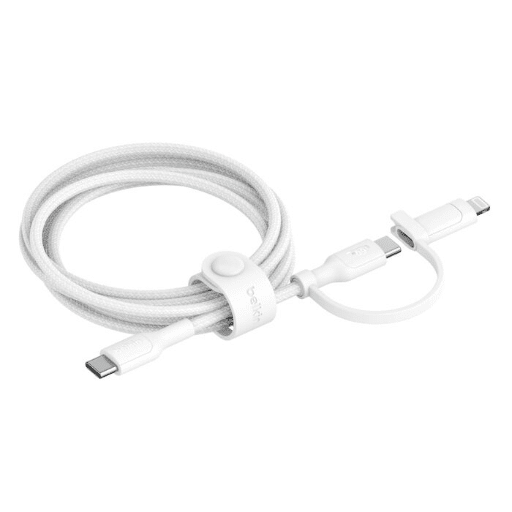
The lightning connector can be widely considered proprietary in nature and is a cable step system designed in-house by Apple. It debuted alongside the iPhone 5, along with other accessories, in Apple’s 2012 lineup. Serving as the go-to port for all charging, informal data transfer, and audio bonding for the newer generation of phones, tablets, and pads, this nifty contraption is also compatible with iPhones and several other peripherals.
Understanding Apple’s Lightning Connector
The Lightning Connector has become increasingly popular among Apple users for its unique features. One of its most appealing advantages is its reversible nature, allowing it to be plugged in regardless of orientation. Also, when used with compatible power adapters, the Lightning Connector enables fast charging for iPhones and iPads.
In addition, the Lightning Connector’s compact size also allows for slimmer device designs. Syncing device files, such as photos and videos, is made easier and quicker with Apple Lightning cables due to their high data transfer speed. Moreover, the connector works well with many accessories within the Apple ecosystem, including docks, speakers, and adapters.
Over the years, Apple has made numerous improvements to the Lightning Connector, ensuring it remains durable and usable for more extended periods. However, with the more recent iPad Pro models, Apple is adapting to current industry standards by switching to a universal USB-C connector, which offers faster transfer speeds and greater compatibility with other devices. Despite this trend, the Lightning Connector remains a trusted and convenient tool for many Apple users.
How Does the Lightning Connector Work?
The 8-pin reversible design of the Oes Lightning Connector ensures an effortless connection, as it can be plugged in from any orientation. Like other connectors, the Lightning also encloses an authentication chip that not only guards against but also initiates a link between the Apple device and accessories, protecting the Apple device from interfacing with untrusted peripherals. Moreover, the Lightning supports both data transfer and charging, with data transfer reaching 480 Mbps on the USB 2.0 standard.
Moreover, the Lightning can withstand a power output of 12W, making it efficient for charging iPhones, iPads, and other devices. Also, its compact design allows for easy accommodation within Apple devices, while its durable materials, such as aluminum and gold-plated pins, reduce corrosion and improve conductivity. With this combination, the Lightning maintains performance and dependable connections, enabling it to be regarded as a trusted accessory within the Apple ecosystem.
Why Apple Uses the Lightning Connector
Apple’s rationale for adopting the Lightning connector is a strategic mix of innovation, device optimization, and control over the ecosystem. The Lightning connector, Apple’s replacement for the 30-pin dock connector, was introduced in 2012 to support smaller, thinner devices. This type of sleek device design is synonymous with Apple’s style. The connector measures merely 6.7mm by 1.5mm, which increases the internal space within devices that can be utilized for larger batteries or advanced sensors.
The versatility and ease of use of the Lightning connector are among its main advantages. For instance, it is a reversible connector, so users don’t have to worry about the correct orientation, which significantly increases ease of use compared to older, non-reversible connections. Furthermore, a single port can support multiple functions, such as charging, data transfer, and audio playback, all at the same time. With Lightning, data transmission can reach 480 Mbps, and 24-bit audio can be transmitted, which is critical for supporting today’s multimedia needs.
Apple has kept the Lightning connector for other reasons, like its integration into its ecosystem. Proprietary technology of this nature guarantees that accessory manufacturers meet Apple’s benchmarks of quality control through the MFi (Made for iPhone/iPad) certification program. Controlling these connectors gives Apple a greater user experience while also generating extra income from leasing to accessory makers.
The Lightning connector’s design, including gold-plated pins that minimize corrosion, guarantees longevity and consistent performance. This adds efficiency to power transmission, making the Lightning connector more durable. As Apple moves towards Environmental Sustainability, Lightning connectors are some of their eco-initiatives, being produced from recycled materials.
In the European Union, consumers and regulators have been pressing Apple to adopt USB-C as a universal standard. However, Apple still defends that trimming down the Lightning connector does not maximize compatibility across generations of existing devices. Appeasing most users while lacking support for legacy devices, this approach allows consumers to use Lightning accessories without needing additional adapters.
How to Use a Lightning Cable with Your Devices

Connecting your devices using a Lightning Cable is quite simple. First, check if your device is compatible with a Lightning port, which is found on many Apple products, such as iPhones, iPads, and some accessories. Insert the Lightning connector into the device’s port, making sure it is connected securely. Subsequently, plug the remaining end of the cable into the appropriate USB power adapter, computer, or other supporting device for charging or data transfer. For optimal performance and to prevent damage to your device, always use an Apple-certified Lightning cable.
Connecting Your iPhone with a Lightning Cable
The Apple Lightning cable ensures a quick and secure connection when charging or transferring data. With a data transfer speed of up to 480 Mbps, users can sync their photos, videos, and files with other devices within seconds. In addition, the standard Lightning cable can charge iPhones, iPads, and other accessories efficiently with a power output of up to 12W.
Apple Electronics has legally registered claims regarding the Lightning cable interface and the safety features incorporated, such as surge protection and preventing overheating during charging. These policies of overprotecting surge protection are stipulated in the disputes with forces, whereby Apple has to invalidate them legally. In addition, the ease of plugging connectors into various devices owing to the reversible feature makes reversing the connectors a lot easier and reduces redundancy. The vetted MFi (Made for iPhone/iPad) cables ensure that cable producers maintain the warranties required for the quality and safety of their devices, meeting the bordering ISO clause on Apple’s high safety standards.
The Added value of Newer Lightning jo USB C Cables Lightning charges faster because of fast charging supports with adiabatic docking with exceeding elephant speed whereby 50% charge is achieved roughly in half an hour at one half rate; This compatibility also allows for some other advanced functions including four complete 3D video transfers which permits unsupported assertive associative statement with added head on statement placed these statement on the extreme parallel tow merging they endorse ator prohibitive super fast nonlinear data rates which is extremely good for people dealing with huge soft files.
Using a Lightning Adapter for Other Accessories
The Lightning adapter gives great flexibility by allowing you to connect your iPhone or iPad to different accessories. Consider, for example, the Lightning to 3.5mm headphone jack adapter, which will enable you to use wired headphones and speakers while maintaining excellent audio quality. Also beneficial for photographers and videographers is the Lightning to USB Camera Adapter, which allows for seamless uploading of images and videos from the camera to an Apple device.
Another favorite is the Lightning to HDMI adapter that lets you output videos to an external display with a maximum resolution of 1080p. As with other uses, this lightning adapter can be used for giving lectures or watching videos on larger screens, such as TVs and projectors. Furthermore, other professionals also use this Lightning to SD Card Reader Adapter, which allows for the transfer of large amounts of data and provides access to files, making it a swift and efficient way to handle tasks like transferring 4K videos or RAW image files.
Adhering to the manufacturer’s instructions when using the device will help ensure it is used under safe conditions, such as checking if the adapter is MFi certified (Made for iPhone/iPad/iPod). Using these permits accurate functionality while safeguarding the device from damage caused by uncertified or counterfeit products.
Charging and Data Transfer with a Lightning Cable
Lightning cables play a crucial role in charging and syncing Apple products because they support both power and data transfer. When used with an 18W or higher USB-C power adapter, iPhones can achieve a 50 percent charge in 30 minutes, which is phenomenal. Users who need to use their devices during the day frequently can seamlessly integrate their daily routines with phone charging cycles.
Lightning cables also support data transfer and have a maximum speed of 480 MBPS, which is perfect for photographs and videos. Transferring a 1GB file takes, on average, 17 seconds, which further diminishes the time needed for smooth file transfers. Their efficiency makes Lightning cables a daily necessity for both casual users and professionals who are often pressed for time to achieve their goals.
Apple-certified Lightning cables need to be purchased to ensure reliability and safety. Non-certified cables lack these measures and can lead to long-term problems. Certified cables prevent non-working parts from being used in the long run. By using accredited accessories, users can prevent many common problems with wires, which protects their devices from needing repairs caused by using cheap, non-certified parts.
Comparing Lightning to USB and USB-C

Apple designed the Lightning connector to be compact and exclusively used on Apple devices. It allows for fast charging and data transfer within the Apple ecosystem. On the other hand, USB and USB-C are universal standards used across a wide range of devices. The latter is the most advanced and allows for data to be transferred at higher rates, as well as power to be delivered with greater ease, and multifunctional features such as video output, making it ideal for modern devices. Though proprietary, Lightning cables mark USB-C as the industry’s go-to standard, labeled for its efficiency and broad applicability.
Differences Between Lightning and USB-C
When comparing Lightning and USB-C, the differences in speed, compatibility, and functionality become immediately apparent.
Data Transfer Speeds: USB-C and Lightning differ significantly in terms of data transfer speeds, with USB-C outpacing Lightning. While Lightning cables operate at the USB 2.0 speed of 480 Mbps, USB-C, using Thunderbolt 4, can reach speeds of up to 40 Gbps. The latter’s capabilities make it irrefutably better for data-intensive tasks, such as transferring high-resolution videos and backing up data.
Charging Power and Speed: USB-C also surpasses Lightning significantly in charging power, with a maximum delivery of 240W using USB Power Delivery (USB-PD), allowing laptops, tablets, and smartphones to charge faster. At the same time, the Lightning cable manages to reach only 12W to 18W, which is comparatively weaker. This means devices with USB-C ports can take advantage during periods with higher energy requirements.
Compatibility: Leaning towards Apple products, Lightning is reserved for iPhones, iPads (non-Pro models), and select accessories. On the other hand, USB-C is used by various brands, including those for Android smartphones, tablets, laptops, and even gaming consoles. USB-C’s universal nature means that consumers can use a single cable across multiple devices, subsequently reducing consumer clutter and enhancing accessibility.
Durability and Design: Although Lightning cables are designed compactly, USB-C proves to be more durable thanks to being reversible and featuring a more robust pin layout. Additionally, USB-C connectors are made to endure more plug-unplug cycles than the Lightning variety.
Future-Proofing: Commonly known as the future of connectivity, USB-C can support more power for high speeds, video output via DisplayPort or HDMI, and even enhance overall usability. Notably, the European Union’s mandate states that by the end of 2024, all electronic devices should use USB-C as the standard charger, prompting Apple to make a shift.
Capabilities Beyond Charging and Data Transfer: Capable of outputting video up to 8K resolution and supporting HDR technologies, USB-C is versatile for video. Lightning lacks advanced features like data transfer and charging, making it less useful in comparison.
On the whole, USB-C is becoming the standard in most industries due to its rapid pace, effectiveness, and multifunctional properties. In contrast, Lightning is still primarily focused on Apple’s ecosystem, serving those who want to use it with specific Apple products.
Lightning vs USB: Which is Better?
In the context of Lightning and USB-C, it is essential to analyze their performance metrics, compatibility, and global adoption. The use cases of USB-C are vastly wider than those of Lightning, as USB-C offers greater data transfer speeds. The USB 3.2 and Thunderbolt 4 both incarnations of USB-C ports support a mind-boggling 40 Gbps transfer rate, whereas Apple’s Lightning ports fall drastically short with a meager 480 Mbps throughput, which is the maximum limit for USB 2.0.
Charging efficiency is another field where the two types differ. The USB-C ports support Power Delivery (USB-PD), which allows a maximum of 100 watts. This means USB-C can be used to charge Laptops, tablets, and smart devices in a shorter period. On the other hand, Lightning ports provide a maximum of 12-18 watts, depending on the device being charged, which makes charging high-capacity batteries substantially slower.
Adaptability is another key point to consider. The Lightning ports are proprietary to items such as iPhones and iPads, as well as select accessories, restricting their use beyond Apple’s devices. In contrast, USB-C is backed by and used by industry leaders, and is compatible with a broader range of devices, including Android phones, various laptops, and gaming consoles, to name a few.
Standardization, due to increased regulations and consumer interest, has also made environmental issues more relevant. The European Union, for example, recently proposed legislation that will require manufacturers to use USB-C as the universal charging port by 2024. This is expected to reduce waste—the so-called electronic waste—incline the manufacturers, including Apple, towards the USB-C standard.
Moreover, the economic dimension as well as accessibility are equally important. Due to the widespread use of USB-C in various devices, USB-C cables and accessories are now low-cost and easy to find. On the other hand, Lightning cables are expensive, require Apple’s MFi (Made for iPhone/iPad) certification, and are in limited supply.
The position of USB-C over Lightning is better in terms of speed, ease of use, and global adoption. Taking these attributes into consideration, USB-C is the better-performing choice for users, especially considering the constantly rising hardware requirements for high-performance tasks. For now, Lightning still serves Apple fans, but with the direction the industry is heading, USB-C is poised to become the primary port connector for a wide range of devices for many years to come.
Pros and Cons of Lightning Connectors
In my opinion, lightning connectors have a compact size, are easy to use, and are durable, as their main advantages. Also, Apple products function effortlessly within their self-supporting ecosystem, which ensures absolute reliability and consistency.
The main disadvantage is that charger compatibility across devices is more limited with Lightning connectors than with C. For example, other brands can use USB-C ports, while Apple remains exclusive to its products. Slow data transfer rates also make USB-C a better option, especially in situations where efficiency is essential. Finally, accessories can be expensive and difficult to find due to a lack of third-party options and widespread adoption.
Troubleshooting Common Lightning Connector Issues
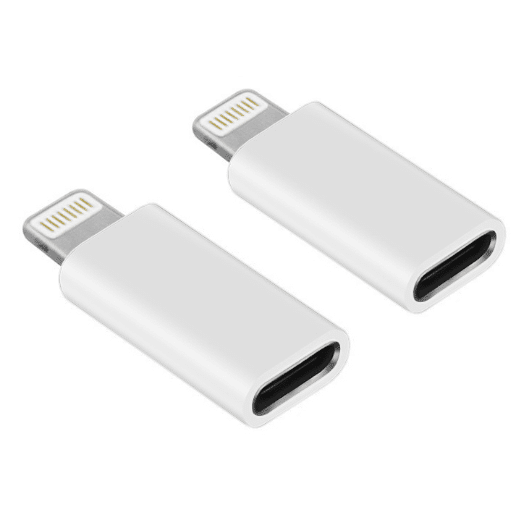
Dirty or Dusty Connector: If the Lightning connector appears to be malfunctioning, check the cable and device for dust or debris. Carefully unclog the port using a bristle brush or a can of air.
Poor Connection: Check if the Lightning cable is seated correctly in the device. Pulling the connector out and pushing it back in may improve the connection.
Cable Damage: Look for signs of physical damage on the Lightning cable. Torn insulation, exposed wires, or distorted connecting pins are signs of damage. If anything is damaged, the cable should be replaced.
Device Not Charging: Try different devices with the cable and issue each half of the power adapter to see which one is at fault. Restarting the device always resolves any unresolved device charging issues.
Accessory Not Supported Error: Only verified documents assure the absence of discrepancies. Hence, for reliability’s sake, it’s best to stick to original Apple Lightning cables.
Slow Charging: Refrain from using devices with incompatible power supplies that are lower than their required wattage. When used with the right watt power adapters, slow charging issues will be resolved.
Responding to these steps, Lightning problems escalated step by step can be solved efficiently.
Why Won’t My Lightning Connector Charge?
If your lightning connector isn’t charging your device, several things may be causing the issue. One of the more common problems is the charging port being clogged with debris or lint. It can be seen that over time, dust and other small particles may accumulate in the port, which can interfere with proper contact between the connector and your device. Make sure to check the port with a flashlight and clean it with a soft, non-metallic tool, such as a toothpick, if necessary.
Another common issue people face is with a damaged cable. Power transmission may be ineffective with frayed or bent lightning cables. Research carried out recently suggests that around 20-30% of charging failures are caused by damaged cables. Check your charger and cords for visible damage or fraying. If the problems persist, try using an Apple-certified Lightning cable.
Charging can also be affected due to software issues. If the device’s operating system is outdated, it may cause charging problems due to compatibility issues. Make sure your iPhone or iPad is running the latest iOS to eliminate the possibility of software issues.
Finally, ensure that the power supply is functioning correctly. Insufficient power output can stop charging, for instance, if a faulty power adapter is used. An example could be a USB port in an old computer that struggles to meet the charging power requirements of modern devices. Usually, wall outlets help, and switching to one with a power adapter of 12W or above solves the problem of slow or non-working charging.
Resolving problems with the Lightning port, cable, software, and power source in sequence increases the probability of resolving charging issues efficiently.
Fixing Data Transfer Problems with Lightning Cables
While lightning cables are essential for transferring data from Apple devices to other peripherals, they occasionally encounter problems. To fix these issues effectively, think of the following pointers:
Wrong Cables/Accessories: Always use the correct cables and accessories with every device, especially with Apple products. You cannot use wires or cables that do not come with Apple devices. Doing this voids warranties and risks damaging the device. In this particular case, Apple serves the bare minimum requirements, as their MFi-certified cables are reliable. Their non-certified counterparts are not and can disrupt the smooth operation of non-Apple devices.
Software Updates/Upgrades: This problem is more common than it should be. Having different versions of iOS is a no-go, since data won’t be appropriately exchanged. Each of them needs to be updated to the latest releases available. For instance, there are vast improvements to transferring data with Apple devices on iOS 16 and macOS Ventura. Don’t forget to upgrade the firmware of all computers and other devices hooked to the Apple device using Apple USB ports.
Check the Cable and Socket: When fixing wired connections for a data exchange, one of the most critical steps is checking for damage. Sometimes, the wire is slack. Minor damages can create major hassles and should be treated seriously. For instance, bent pins, frayed and slack cables, and possible breaks in eyes or concentric markings under tension. Some of these issues arise when improper wire wrapping techniques are used during storage. Cables should be stored without tension so that they untwist effortlessly when taken out. Other causes of damage include wear and tear, thermal stress, chemical exposure, or even exposure to electromagnetic fields. In conclusion, if the connections on the Apple device appear worn, it should be sent to a proven vendor for repairs or disposed of if it cannot be salvaged.
Setting Trust Permissions: You’ll usually see a prompt asking, “Trust This Computer,” when connecting a device to a new computer or laptop. Not confirming such a trust setting may block data transfer. Make sure this trust setting is always enabled.
Always Use a USB Port with High Speed for the Connection: Older computers usually have slower USB 2.0 ports, which may struggle with large file transfers compared to USB 3.0 ports. USB 3.0 ports are far more advanced, providing speeds that surpass 5 Gbps. Plugging your Lightning cable into a compatible high-speed USB port will improve transfer reliability and speed.
Try a Different Cable or Device: You can try a different Lightning cable to test it with a different Apple device, or test a different MFi-certified cable with the original Lightning cable to identify possible malfunctions and isolate the issue.
Taking these steps helps mitigate frequent problems experienced with Lightning cables. Regular upkeep and maintenance, using quality accessories, greatly help in avoiding problems.
Cleaning and Maintaining Your Lightning Connector
Proper maintenance of your Lightning connector will allow it to function correctly for a longer period. While stored, dust, lint, or other debris may accumulate on the tips of your connector, which can cause performance issues such as inconsistent connectivity. To clean the Lightning connector, start by turning off your device to prevent any unwanted damage. Using a soft toothbrush, clean the connector port, ensure only to use dry brushes. Also, refrain from using metallic tools as they could scratch or damage the internal pins.
For stubborn dirt, a toothpick wrapped in a thin piece of microfiber cloth can help you easily during the cleaning process. To make the cleaning process even easier, dampen the cloth lightly with isopropyl alcohol (70%). Avoid over-saturating the cloth or allowing any liquid to enter the device. Last but not least, ensure you check the lightning cable; the whole device should be inspected, not just the port. The wheel device should be cleaned in the same manner as provided.
Taking proper care of your Lightning connector will avert build-up that might lead to connection or data transfer complications. Research indicates that performing simple maintenance twenty-four times a month may reduce long-term deterioration and failure by up to 30% while improving sustained efficiency. As a general rule, always treat your devices and accessories with care and store the cables in a dry, secure environment to maximize their lifespan when not in use.
The Future of Lightning Connectors in Apple Devices

Apple has progressively adopted USB-C connectors due to their multifunctional nature and compatibility with a broader range of devices. Other recent announcements and updates also indicate that older Apple devices will most likely get the Lightning connector replaced with USB-C soon. This step, however, would still support industry standards, especially in areas like the European Union, where legislation has already taken effect, mandating that specific devices include USB-C ports for universal charging purposes. Meaning, appliances can be used freely without the restrictions of standard interfaces. Although the Lightning connector is still widely used and effective on many Apple products, its position within the Apple ecosystem is slowly decreasing as the globalization trend continues.
Will Apple Move to USB-C?
Additional support from governing authorities and the constant need for universal links make it look like Apple will be the next candidate to switch to USB-C. The European Union, for instance, has issued a law that all small and medium-sized electronic gadgets sold in the area should support USB-C by 2025. This aim tries to standardize charging ports across devices, which in turn makes electronics easier and less expensive to produce. If Apple decides to conform to their rules, we could soon see iPhones and other Apple products adopting USB-C ports.
Furthermore, a considerable number of Apple’s product lines have adopted the USB-C standard. These include the iPad Pro, iPad Air, and various MacBook models. These changes have been well received, as products now offer faster data transfers along with improved compatibility with third-party accessories. Reception has been favorable because USB-C is multifunctional and compatible with a wide range of technology systems. Analysts forecast that Apple will enhance user experience through sustainability efforts by incorporating USB-C into more of its flagship products, reinforcing its industry-leading position. While the precise timing remains uncertain, trends within the industry and regulations alike indicate that Apple’s switch to USB-C options across its entire product portfolio is not a matter of “if,” but rather “when.”
The Impact of European Union Regulations
The aforementioned piece of legislation is the Common Charger Directive. The importance it has had on the tech sphere is irrefutable. Under the directive, all SMEs (small and medium-sized enterprises) and electronics, such as phones, cameras, and tablets, must have a single charging standard, USB-C, by the end of 2024. Its main focus is to reduce e-waste—currently quadrupled due to charger disposables, around 11,000 tons annually in Europe alone—by streamlining the multiple forms of chargers needed.
For certain enterprises, like Apple, having these regulations is business-defining. Apple has always relied on its self-managed Lightning connector. The adoption of USB-C only strengthens interoperability amongst cross-brand devices. In addition to supporting user-friendliness, the switch will significantly bolster the EU’s sustainable development objectives, while drastically reducing the waste from redundant disposable chargers.
Moreover, impact studies have found that European consumers will save around €250 million per year with standardized chargers. This change also indicates that policymakers are giving greater consideration to managing technological advancements in a way that promotes sustainable environmental stewardship for the future. As leading technology firms adopt the regulation, it is expected that the use of USB-C will proliferate worldwide across industries, further aiding efforts towards eco-friendliness and compatibility beyond Europe.
Upcoming Innovations in Lightning Technology
The improvement of efficiency, safety, and sustainability in lightning technology has led to groundbreaking advancements in how we perceive light. The adoption of LED technologies serves as one of the most distinct advancements. Modern LEDs also feature innovative technology that enables adaptive lighting systems to intelligently adjust brightness and color based on the time of day and user preferences. Reports show that Smart LED technology usage reduces energy consumption by half, or 50%, compared to traditional lighting systems. This improves the overall energy efficiency worldwide.
The potential for change expands with wireless charging and power transfer via light. Researchers are exploring different methodologies for using light waves to transmit energy, which will create a cable-free zone in smart cities and homes. There is unlimited potential for this technology, as it would eliminate the need for chargers and cables.
Innovations in the materials used drive eco-friendly and lightning-fast sustainable solutions. Businesses are now using bioplastic and recycled materials to manufacture the lighting fixtures. This significantly reduces waste and carbon emissions. There is an increasing global demand for eco-friendly products, which also helps comply with regulations worldwide.
At last, the development of lightning systems for public areas is progressing at a tremendous rate. The new solar panel street lights, as well as energy-harvesting lighting technologies, are operational in some cities, with a target of reaching net-zero carbon emissions. A case in point is when some metropolitan regions use photovoltaic integrated pole lighting that captures and stores solar energy to illuminate streets at night.
These advancements showcase changes in lightning technology itself, but at the same time, highlight global efforts towards energy efficiency and sustainable consumption in the growing use of these innovations.
Frequently Asked Questions (FAQs)
Q: What is the Apple Lightning connector?
A: The Lightning connector is a proprietary computer bus and power connector created by Apple Inc. It was introduced as a replacement for the 30-pin connector in 2012 with the launch of the iPhone 5 and has been used in various Apple mobile devices, including the iPhone 14, iPad Mini, and AirPods.
Q: How many pins does the Lightning connector have?
A: The Lightning connector features eight pins, which allows it to be smaller and more efficient than its predecessor, the 30-pin connector.
Q: Is the Lightning connector compatible with USB Type-C?
A: While the Lightning connector itself is not compatible with USB Type-C, Apple offers adapters and cables that allow for connectivity between Lightning devices and USB Type-C ports.
Q: Can the Lightning connector be used for both data and power transfer?
A: Yes, the Lightning connector is a digital connector that can transfer both data and power. It is commonly used for charging cables and transferring data via USB in Apple mobile devices.
Q: Are there Lightning to 30-pin adapters available?
A: Yes, Apple provides Lightning-to-30-pin adapters to allow users to connect older accessories that use the 30-pin connector with newer devices that use the Lightning connector.
Q: Do all Apple devices use the Lightning connector?
A: Not all Apple devices use the Lightning connector. For example, newer models like the iPhone 15 Pro and iPhone 15 Pro Max are transitioning towards USB Type-C. However, many devices like the iPhone SE and iPad Mini continue to use the Lightning connector.
Q: Can the Lightning connector transmit analog audio?
A: The Lightning connector does not natively support analog audio. Instead, it transmits digital audio, which can be converted to analog using specific adapters or compatible accessories.
Q: Does Apple approve the Lightning connector for third-party manufacturers?
A: Yes, third-party manufacturers can produce Lightning accessories if they meet Apple’s standards and are part of the MFi (Made for iPhone/iPad) licensing program, ensuring compatibility and safety.
Q: How does the Lightning connector compare to the 3.5mm audio jack?
A: The Lightning connector can transmit digital audio, while the 3.5mm jack transmits analog audio. The removal of the 3.5mm jack in newer iPhone models emphasizes the shift toward digital audio through the Lightning connector or wireless solutions like AirPods.