

Just like anything else, the lighting of a room can set the mood or function of the activity. Picture being able to instantly change the atmosphere in your home to a soft, warm, romantic glow for an evening in, or bright and focused for supercharged study sessions. This kind of versatility is now possible with an LED dimmer switch, which is an energy-efficient, stylish, and innovative controllable device. Suppose you’re trying to improve energy savings or the aesthetic appeal of your home, or enjoy greater flexibility with lighting. In that case, this article will uncover fundamental advantages and important factors concerning LED dimmer switches. Let’s explore how this simple upgrade can drastically change your experience!
What are the Benefits of Using a Dimmer Switch?
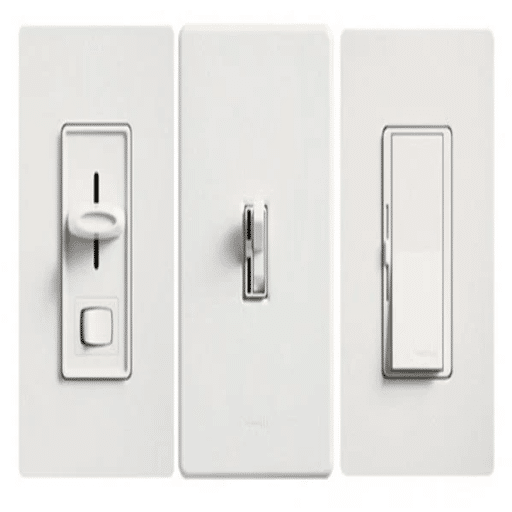
How do dimmer switches promote energy efficiency?
Dimmer switches promote energy efficiency because they give users control over the illumination levels of their lights. This means they no longer have to burn at a maximum level all the time. Reducing the brightness of the lights translates directly to lower power consumption. For example, with certain types of incandescent bulbs, setting it to 50% brightness results in a 40% savings in power consumption. Therefore, dimmers are the perfect solution for any economically and ecologically conscious household or business that wishes to reduce energy consumption and expenses.
The case is even better when paired with energy-saving LED bulbs. Unlike traditional incandescent bulbs, which waste a lot of energy in the form of heat, most LEDs are better because they operate at a lower temperature, offer dimming capabilities, and are much more efficient. Newer dimmers for LEDs also ensure that the electric current is optimally controlled, which is essential for the efficiency and durability of the bulbs. Also, this reduces the replacement rate for bulbs, minimizing waste and improving sustainability. In summary, installing a dimmer switch to reduce energy use and costs is very simple and very effective.
What mood can you set with dimmable LED lights?
Dimmable LED lights provide the most versatility compared to all other lighting options in setting different ambiance appropriate to various places and occasions. Depending on the specific use, the brightness can be set to calm and soothing or active and energizing. For example, in a home office, a kitchen, or a cafeteria, the illumination has to be at its highest to ensure sharp focus. However, lower brightness levels in living rooms and bedrooms bring out cozy and warm moods suitable for relaxation or winding down.
Furthermore, applying different color temperatures with dimmable LED lights introduces another layer of customization. Cool white tones motivate and relax, while warmer hues create an inviting and homely feel. Dimmers let you set lights according to the requirement, which makes them ideal for lively gatherings, quiet movie nights, or romantic dinner evenings. LED dimmers’ flexibility helps gather sharp focus and visuals, improving overall comfort and relaxation.
Are there any other advantages to using a dimmer?
Of course, dimmers offer additional benefits besides customization and atmosphere. One significant advantage is energy efficiency. Operated at lower brightness levels, dimmable lights use less electricity, significantly reducing energy costs. Homeowners can reduce their expenses greatly over time by harnessing the light required for each task. In the long run, this also helps sustain a more eco-friendly lifestyle and cost savings by reducing the carbon footprint.
The longer lifespan of light bulbs is another remarkable benefit. Running bulbs at less than maximum power extends their life, reducing the damage incurred. Dimmers are especially beneficial for LED lights as their lifespan is extended under reduced stress. This translates to lower costs while also minimizing waste. Added to the energy efficiency factor of LEDs, dimmers have become a smart investment for residents and commercial settings.
Moreover, the use of dimmers can impact well-being and health. Studies show that bright light exposure, especially in the evening, may interrupt the rhythmic oscillations of the biological clock system, thereby affecting sleep. Lights set to dim during evening hours tend to foster relaxation and help in winding down. This shows that dimmers are helpful for relaxation and living in a healthier environment, apart from creating the right mood. From the parents’ perspective, dimmers can provide the additional advantage of showering soft light into children’s rooms at sleeping time, which is conducive to sleep while also comforting. In conclusion, dimmers enhance lighting and economical benefits while upholding an eco-friendly and healthier nurturing environment.
Which LED Bulbs are Compatible with Dimmer Switches?
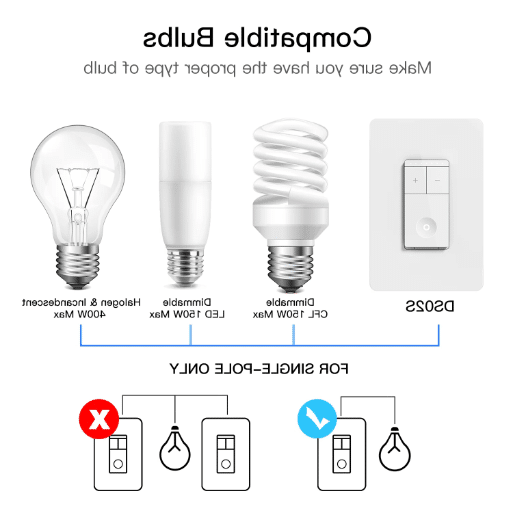
What is the best bulb type for dimming?
Dimmable LED bulbs are the best choice for flexible lighting because they offer ease and reliability while saving energy. Modern LEDs designed to be dimmable allow seamless transitions to and from different light levels without flickering or other performance issues. However, not all LEDs are equal, and some may not work with dimmer switches, so labeled “dimmable” LEDs must be chosen. Such bulbs are generally compatible with almost all modern dimmer switch systems, including smart and old-fashioned dimmers.
Furthermore, new products have been developed such that dimmable LED light bulbs come in various color temperatures, from warm white to cool daylight, allowing for more personalization or room-specific tailoring. Energy efficiency is another key benefit since dimming the lights lessens power consumption and lowers electric costs while increasing the bulb’s lifespan. When the LED light bulbs are paired and used with dimmer switches, the other essential point that must be followed is that the dimmer must be an LED-compatible type.
What is the procedure to check if your LED light bulbs are dimmable?
Your dimmable LED bulb is determined by checking if the product packaging has instructions or indications. Most manufacturers will include a specific icon or a note stating “dimmable” on the packaging if the LED is, in fact, dimmable. In situations where the packaging is unavailable, check the bulb, as such information is printed on the body and socket of the bulb. Dimmable LED light bulbs are only designed to function with a certain level of current flow, enabling them to work with dimmer switches.
The other question revolves around whether the dimmer switch in the house works with the LEDs. It must be clear that not all dimmer switches work with leds. Installing such dimmer switches may cause flickering and buzzing or even limit the dimming range of the bulb. Some of the functions of new dimmable LED light bulbs are that they provide specs of acceptable dimmers or appropriate ones to help. If this information is insufficient, looking for it on the website or the brand guideline manual could help.
Understanding how dimmable LED light bulbs function with separate dimmer switches is critical. Higher-quality LED dimmer switches often enable smoother adaptations, allowing for a wider range of dimming that supports the bulb’s maximum potential. Choosing certified dimmable LEDs and dimmer switches guarantees the best performance, standby energy savings, and long operational life and reliability during the upgrade phase of lighting fixtures.
Can you use incandescent bulbs with LED dimmers?
While it is possible to use incandescent light bulbs with LED dimmer switches, it is not advisable to do so because it involves using two mismatched technologies together. During the design phase of LED dimmer switches, special care was taken toward low-voltage operations and the electrical properties of LED bulbs. Incandescent bulbs operate at a standard higher voltage without the need for precise control logic present in LED dimmers. Because of this discrepancy, using LED dimmers with incandescent bulbs results in nonsmooth dimming, inconsistent brightness, flickering, or buzzing sounds.
One of the main problems comes from the minimum load requirements of a dimmer switch. Many LED dimmers were intended to be used with low-wattage bulbs because of how LED technology replaced incandescent light bulbs. An incandescent bulb has a higher wattage than ideal for the dimmer switch, so overheating and malfunction are possible outcomes. Like the dimmers, incandescent bulbs are relatively inefficient, so their simplistic circuitry makes LED dimmers quite ineffective.
For performance, safety, and the longest lifespan, bulbs should always be paired with their appropriate dimmer designs. If you want to install dimmable lighting in your home, make sure that the dimmer switch and the bulb you choose are compatible first. They exist for people who want to have the aesthetic look of incandescent bulbs but want to update their systems to have the functionalities of LED lights, in the form of hybrid dimmers that adequately accommodate both technologies. Always consult product specifications or a specialist in electrical work to accomplish the ideal setup engineered around your requirements.
How to Install an LED Dimmer Switch?
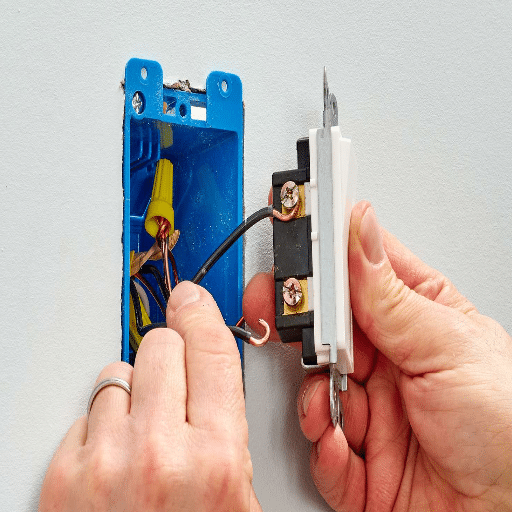
What wiring is needed for a dimmer switch?
Certain electrical accessories must be present for safety and optimal functionality when installing a dimmer switch. Within your electrical box, there should be a working circuit containing a hot (live) wire, a ground wire, and a neutral wire. Most modern dimmer switches designed for LEDs require a neutral wire. This is important for effective dimming and is even more critical with low-wattage bulbs to avoid the device flickering or buzzing.
Furthermore, the light switch’s current configuration will affect the wiring. Single-pole switches (lights activated from one location) require that you follow the existing wiring plan (retain the same configuration). For three-way or multi-location setups (one light controlled by multiple points), a special three-way dimmer will need to be acquired along with the proper traveler wires.
Always turn off the circuit breaker powering the switch before starting its installation; for safety, mark or note where the wires connect. Proper grounding (zero ohms) on the green or bare copper ground wire is essential, so check that it is fixed securely. If there is any confusion on the steps to take, it is recommended that an electrician be called to ensure the standards are met.
Can you put a dimmer switch on a 3-way circuit?
Yes, a dimmer switch can be installed on a 3-way circuit, but the procedure involves special attention and a specific wiring order. A 3-way circuit is configured to control one light fixture from two different locations. Therefore, a compatible dimmer switch that supports 3-way functionality is required. These dimmers are usually compatible with standard 3-way switches to allow full functionality.
To fit a dimmer switch, identify which of the two switches in your 3-way circuit will have the dimmer. Use a standard 3-way switch to replace the other half of the dimmer. The manufacturer’s installation guide should be followed to the letter, particularly concerning wiring the traveler wires, common terminal, and ground wire. Also, check that the wattage of the light fixture does not exceed the dimmer switch rating to prevent damage.
The latest models of dimmer switches offer features such as LED bulb compatibility and adjustable dimming levels, making them ideal for energy-saving fixtures. As with anything, confirm your work before turning the power back on, but do remember to seek professional assistance if you run into trouble during the installation.
What tools do you need for installation?
Tools are the singular thing necessary to fix the process. To successfully install the switch, you will need a ‘Dimmer Switch.’ Here is a list of all the screwdrivers necessary to install aids, ranging from Phillips to flat-head switches.
Phillips and Flathead Screwdrivers: Both flathead and Phillips screwdrivers are necessary for installing aids. Adhering to your needs will also help with the stationery switch covers.
Voltage Tester: This tool will help prevent any electrical faults during the switch process.
Strippers: Specifically for the double-ended layer device, it aids in making the extent shorter or removing some ends to give length accordingly.
For the Needlenose Pliers: they add suitability during the process as you can twiddle the parts to an ideal position.
For Electrical taping: these parts of the tape can identify all exposed wires and ensure they don’t fuse, ensuring proper working at all times.
For multi plugs: Serving cores in a tandem monotonous philosophy is based on the concept rather than stated.
Utility Knife: Ty may buttress another makes like buckets and prepare for attaching real ages while utilizing neateness.
For torch-like gadgets: Appropriate lighting serves a lot to people, and these too ensure all cores get attention when in low conditions, like inside switch boxes.
These guarantees serve to fix switch dimmers and lights, aiding all while keeping them safe at a proper flow.
How to Choose the Right LED Dimmer for Your Needs?

What features should you look for in a dimmer?
When buying an LED Dimmer, some primary features to consider are ease of use, compatibility, functionality, and practicality.
Compatibility with LED Bulbs: Not all dimmers are equipped to work with LED lights that are equipped to work. Ensure the dimmer is marked LED Compatible to avoid LED lights malfunctioning with buzzing and flickering.
Dim range and smoothness: Look for LED dimmers that allow a smooth change from maximum brightness to minimum brightness without jumps or flickering.
Multi-location vs Single Pole: Identify whether the dimmer is controlling the lights from one location (Single Pole) or whether it is multi-location for use in multiple spots (ex., both ends of a long corridor)
Smart Features: Modern dimmers are mostly incorporated with smart technologies that allow remote control through apps or home automation systems. Would you benefit from scheduling, voice control, or Wi-Fi-enabled features?
Ease of Installation: Some switches utilize modern technology, like tool-free wiring or standard wall plate compatibility, simplifying their installation. Assess the device’s workings based on your skill level and whether you plan to do the work yourself or hire an electrician.
Aesthetic Design: The dimmer should match existing switches and blend with your home’s interior. Many options come in different finishes, styles, and colors.
Thoroughly evaluating a dimmer during your assessment of comfort and ambience will pinpoint optimal enhancement to your LED lighting setup.
Are smart dimmers better than traditional ones?
Which option is ‘better’ depends on personal needs, preferences, and circumstances. Both provide unique advantages. For example, smart dimmers have sophisticated capabilities like remote access through mobile applications, control via voice commands using Alexa or Google Assistant, and even learning your lighting habits to adjust settings for your convenience. Automation of settings can lead to more energy-efficient lighting due to stringent scheduling, precise adjustments, and redundant power curtailment.
Unlike modern smart dimmers, almost all basic dimmers are quite simple to set up and far less expensive while still offering reliable basic lighting control. Because smart technology has a steep learning curve, people who prefer easy-to-use products devoid of complicated features may find practical options like basic dimmers appealing.
Smart dimmers paired with compatible LED lights can lower energy consumption by up to 20%. In contrast, basic dimmers can rely on manual adjustment to achieve a similar outcome. This places smart dimmers at the forefront of convenience, energy savings, and modern home automation system integration. For users who prioritize affordability over features, focusing on the value of basic dimmers makes them a worthwhile consideration. It all depends on the balance of automation vs. convenience that the user seeks.
What is the voltage compatibility for LED dimmers?
Due to their wide-ranging applications, LED dimmers utilize different voltage standards. Most commercially available LED dimmers are suited for residential voltages of 120V (US and Canada) or 220- 240V (Europe and Asia). This makes it easier for users to install LED dimmers without altering an existing electrical system. In addition, some modern LED dimmers offer multi-voltage features, supporting low-voltage (12V or 24V) LEDs and high-voltage systems, provided that the light fixture and transformers are compatible.
It is important to emphasize that the dimmer and LED system must be a specific match to be used as one of the two major dimming methods: forward-phase (triac) or reverse-phase (ELV) dimmers. Using the wrong dimmer or voltage in these situations could result in flickering, restricted dimming, or damage to the lights and dimmer. Take the example of commercial settings that use 277V systems; specially tailored dimmers are designed to cater to these higher voltages.
Observing a manufacturer’s specification is critical while selecting a delay LED dimmer. Modern dimmers specify the maximum output wattage, voltage, and whether they work with a dimmable LED bulb. These features guarantee that everything will work smoothly, save energy, and increase the device’s life. LED dimmers are very useful and flexible for household and industrial lighting systems.
What Issues Can You Encounter with LED Dimming?
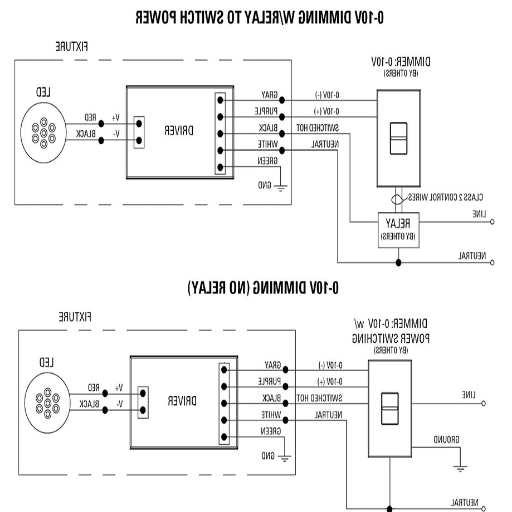
What causes flickering in dimmable LEDs?
Flickering in LEDs has a couple of underlying causes, so let me explain them individually. One widespread problem is the mismatch of the dimmer switch with the LED lamp. As we discussed, not all dimmers are compatible with LED lamps, especially the aging ones designed to accommodate incandescent light bulbs. Dimmers designed for incandescents often struggle to cap the power being drawn by LEDs, and as a result, flickering is common.
Voltage Irregularities within the electric system might also cause flickering, as a second example. LEDs are very prone to current fluctuations, and in fact, even the smallest variance in voltage can lead to light output interruptions. Moreover, poor-quality LED bulbs or drivers that do not actively work to bolster the current will only worsen the situation.
Lastly, poorly set dimmers may yield too little load, which can trigger flickering. Dimmers are known to maintain a minimum electrical load to operate reliably, and low-energy LEDs tend to drop below this threshold. This mismatch may lead to subpar lighting performance or erratic flickering. Smooth LED dimming control requires an exhaustive understanding of the likely problems, requiring the resolution of all outlined factors.
My dimmer switch isn’t working correctly. What should I do?
Most of the time, I check if my dimmer switch and the light bulbs are compatible. The most common problems occur when older non-dimmable LEDs are paired with dimmer switches for newer technologies, or vice versa. I have dimmers that match my bulbs, and I use the compatible ones. With mismatched pairs, I either replace the dimmers or the bulbs until I have a fully functional set.
Now I look for any flaws in the wire connections. Flickering or not working lights caused by a loose wire can happen with an electrical circuit with a poorly fitted wire that is too thin. It would be smart to turn the power for the specific area of concern off at the breaker to look into the wiring. Once secure, I follow all of the steps in the dimmer instructions to ensure all connections are fixed and retry the test.
In the final step, I analyze the wattage load on the dimmer. Dimmer switches have specific minimum wattage requirements to function properly. If the wattage being used is lower than what is required, I either add incandescent or halogen bulbs that use more wattage or remove the dimmer and replace it with one meant for LEDs with low wattage. Usually, I find that these steps can resolve most of the problems with dimmer switches functioning improperly.
What issues can arise from using an incompatible dimmer?
The use of incompatible dimmers can result in a poorly functioning system. From my experience, one of the most common issues is that the output is either flickering or not constant. This issue occurs because dimmers allow for a different style of electricity usage for LED bulbs when compared to incandescent bulbs. As time goes by, this flickering light can be problematic, and while it does not allow you to concentrate, it can reduce the bulbs’ lifespan because of the inconsistent supply of power.
Another issue I have noticed is that an incompatible dimmer might make achieving the desired dimming range difficult or even impossible. Some bulbs may remain too bright at the lowest setting or fail to fully extinguish, emitting a faint glow even when switched off. This significantly undermines the lighting system’s functionality and effectiveness, detracting from the ambiance or energy efficiency I want to achieve.
Finally, the wrong dimmer and its associated light bulbs may damage both components. The dimmer may sustain overheating or electrical strain, shortening its lifespan, which would entail a Dimmer replacement and further financial strain. Because of this, the dimmer switch and the type of light bulbs used need to be verified for compatibility. This precaution allows for a reliable, smooth, and energy-efficient lighting system.
Reference Sources
-
Industrial Automation and Controls Lab: Smart LED Dimmer Control – Discusses the design and functionality of LED dimmers for brightness control.
-
Energy Efficient Lighting – Explores energy savings achieved through efficient lighting systems, including dimmers.
-
Remote control LED dimmer using NRF24L01+ radio and microcontrollers – Highlights energy-saving benefits and convenience of remote-controlled LED dimmers.
-
Issues with Poultry House LED Lamps and Light Dimmers – Examines energy savings and challenges of using LED dimmers in specific industries.
-
Analysis of the effect of environmental conditions on energy savings in lighting systems with dimming method in campus buildings – Analyzes energy savings from dimming LED lights in campus environments.
Frequently Asked Questions (FAQs)
Q: What is a dimmer switch for dimmable LED lights?
A: A dimmer switch for LED lights is a device that permits the adjustment of brightness levels on your LED lamps and fixtures. It is either a rotary knob or wall switch which can interface with dimmable led bulbs giving better control over light output and more energy savings.
Q: Can striplights be used with standard dimmers?
A: Striplights require specific LED dimmers. Standard dimmers are usually incompatible and may cause flickering or destruction of the LED drivers. Dimmers for LED striplights need to be specially designed for low-voltage applications.
Q: How do LED dimmers save energy?
A: Energy is being wasted scanning the power supplied to lamps using LED fixtures. Dimming the lights slowly decreases the electric current supplied to the LED lamp, which reduces energy expenditure and greatly reduces electric bills.
Q: What categories of LED dimmers can we use?
A: With Bluetooth or Wi-Fi interfaces, dimmers are now emerging as smart modulators, blending with modern household items and styles. As such devices, there are wall switches, pendant-style dimmers, and rotary ones. For home use, the Diva LED and Maestro LED are common choices.
Q: Are there any special LED driver equipment that uses dimming control?
A: Certain drivers must be used with dimmable LED bulbs and fixtures, and hence, the need for the right LED drivers arises. Ensure you use the right LED dimmers for your fixtures to avoid incompatibility issues.
Q: What is the answer to “Can LED puck lights be dimmable?”
A: If the LED puck lights work with dimmer switches, then it will be possible to reduce their brightness. So, when purchasing puck lights, ensure the dimmers and lights are compatible.
Q: Explain 0- 10V dimmers and their functionality to LED lights?
A: 0- 10V dimmers lower the voltage used to power the lights, which in turn helps diminish the energy LEDs use during operation. While these are often used in commercial houses, they can also control the lighting of rooms in domestic ones.
Q: What should I consider when choosing dimmers for LED fixtures?
A: When choosing dimmers for LED installations, factors like bulb type, total wattage of your fixtures, dimming systems (such as TRIAC or PWM), and whether you’d like a single-pole or multi-location dimmer should all be taken into account.
Q: Can I use dimmers with incandescent and halogen bulbs as well?
A: Dimmable LED bulbs are often compatible with incandescent and halogen bulbs and many dimmers. As with all devices, be sure to check the dimmer’s specifications to confirm it will work with the switches and bulbs you plan to use.


