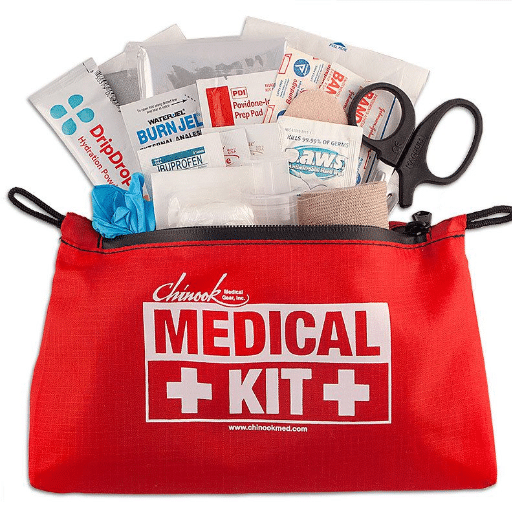
The surprises that life presents can be managed more easily with a bit of foresight. From simpler everyday cuts to medical emergencies, an organized and fully stocked ‘medical kit’ will offer peace of mind as well as safety. This article aims to detail essential items that can be customized to fit your unique circumstances, and also covers the best ways to stay prepared. Here, you’ll find everything you need to know to create a medical kit that can support you and your family in times of need—from basic first-aid materials to more complex emergency tools. Let’s explore proactivity and learn how to protect your wellness.
What Should a Basic Medical Kit Include?
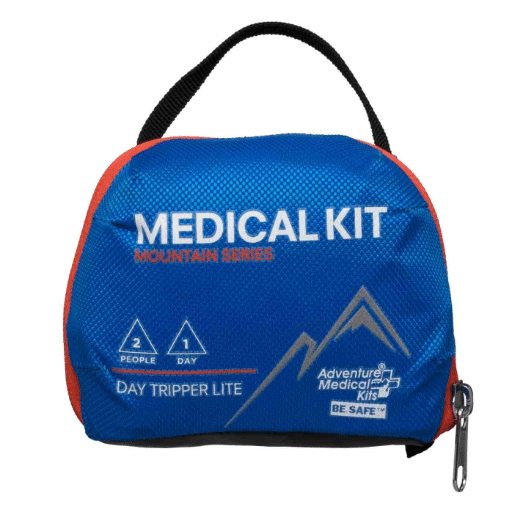
Basic first aid kits should include items for the most common injuries and emergencies. The most essential items are adhesive bandages, antiseptic wipes, gauze pads, medical tape, scissors, tweezers, and an instant cold pack. The kit also needs to include a pair of disposable gloves, a thermometer, some pain relief drugs such as ibuprofen or acetaminophen, any relevant prescriptions, and a first aid manual. Combined, these items are the basics required to prepare for treating minor cuts, burns, sprains, or a mild fever, ensuring you’re ready for day-to-day encounters.
Essential Medical Supplies for Every Medical Kit
For a medical kit to be as comprehensive as possible, it’s essential to widen the scope of situations that could occur. Adding hydrogel bandages, sterile eye wash, and antibacterial ointments for Wound care improves protection. Research indicates that electrolyte replacement tablets are useful for hydration and addressing electrolyte imbalances in emergency or outdoor activities.
Experts on preparing for emergencies also recommend adding tools like a CPR face shield, a Pulse oximeter, and a tourniquet. The shield provides safety during resuscitation, while the tourniquet can be lifesaving in cases of severe bleeding. Pulse oximeters provide instantaneous data on blood oxygen level, which helps assess the extent of damage in cases of respiratory or cardiovascular distress.
In addition, it’s smart to have specific items, such as allergy medicine for severe allergic reactions, including epinephrine auto-injectors. Also, consider motion sickness medication and an emergency thermal blanket for hypothermia prevention. Research shows that properly stocked kits in homes or workplaces significantly improve response times and the management of medical emergencies. Keeping contact information and health details inside the kit also helps during swift communication at crucial times.
You can customize your medical kit to have these components to prepare yourself for a broader range of medical scenarios.
How to Choose the Right First Aid Kit for Your Needs
Carefully thinking through your lifestyle, environment, and risks is crucial for selecting a first aid kit. Informed perspectives suggest that the purpose of the kit, whether for home, travel, camping, or work, needs to be appropriately structured to maximize its potential. For example, families tend to need more comprehensive kits to cater for burns, cuts, and other minor traumas, while solo travelers would want lightweight and multi-functional packs.
It is ideal to assess the kits based on size, contents, and organization. Some basic items that should be included in every aid kit are adhesive bandages, sterile gauze, antiseptic wipes, tweezers, and scissors. Blank emergency wrappers and cold pouches are also extremely helpful in more complicated situations. The American Red Cross recommends restocking the kits to ensure the health and safety guidelines are up to date.
Outdoor enthusiasts are said to have a better experience with highly durable and waterproof kits that contain multitools, tourniquets, fire starters, and other related survival equipment. Meanwhile, OSHA (Occupational Safety and Health Administration) requires effective workplace kits to include specific materials, depending on the number of employees and the level of hazard in the work.
Above all, an organization assists with working efficiently during emergencies. Consider choosing kits with labeled compartments or color-coded sections for easy access to supplies. Taking in these factors will help you make sure that your first aid kit is tailored to your needs and will serve you well in any situation.”
Why Expiration Dates Matter in Your Emergency Kit
The expiration dates in your emergency kit are one detail that is often overlooked. Bandages, medications, and even antiseptics expire and degrade over time. Take adhesive bandages, for example. They may lose their stickiness over time, and antiseptics may dry out, making them less effective in an emergency. Medications also lose their effective properties and can be harmful after the expiration date. The U.S. Food and Drug Administration (FDA) reports that some medicines can change their chemical composition over time, which may pose a risk to users.
In addition, the expired items would significantly affect the cleanliness and effectiveness of the kit. Items like gauze and other items used to dress wounds must be free from contamination. Expired items would increase the likelihood of infection after treating injuries. Evidence suggests that replacing items regularly, typically every 3-5 years or as indicated on the expiration dates, refills the emergency kit with the right items. By replacing outdated items, the level of preparedness is much higher, and they will have confidence in their supplies.
How to Properly Maintain Your Emergency Medical Kit
Regular Inspection and Restocking: To keep your emergency medic kit in good condition, inspect it every few months. Every three months, check the expiration dates of your medications and ensure that sterile supplies are available. Any expired or broken items should be replaced. Ensure scissors, thermometers, and all other tools are clean, unclogged, and working correctly.
Protecting Your Supplies: Keep your kit in a dry and shady area to maintain it at cool temperatures. This prevents material degradation and ensures your supplies are in prime condition.
Based on Evolving Needs Update: Periodically check the kit’s inventory to ensure it fits the family’s needs. Ew items concerning changing health conditions and younger family members that pose new risks should be added.
Like most things, utilizing these simple steps allows you to maintain your emergency medic kit readily available and effective during times of need.
Checking the Expiration Dates of Medical Supplies
Checking the expiration dates of medical supplies in your emergency kit is essential for their efficacy. Items such as medicines, ointments, antiseptic wipes, and adhesive band-aid strips have expiration dates that, if reached, could pose a threat to safety and effectiveness. For example, aspirin and ibuprofen have a shelf life of 1 – 2 years under proper storage conditions. Prolonged storage beyond the expiration date may depreciate the potency of their chemical composition.
Likewise, some sterile items, such as gauze or medical gloves, may lose their protective properties over time due to erosion of the protective packaging. Research indicates that some antiseptics and disinfectants, such as hydrogen peroxide, can become outdated and thus lose their claimed effectiveness as disinfectants and antiseptics.
To ensure the reliability of your medical supplies, check regularly and replace items that are close to expiration. Remember that the quality of supplies stored in a calm, dry, dark environment is remarkably preserved, making it easy for smartphones to obtain them during emergencies.
Organizing Your Medical Kit for Accessibility
Being well-organized saves you precious time during emergencies because key items can be easily found. Organization is best achieved when supplies are sorted according to their intended use. For instance, you can create groups like medications, diagnostics, wound care, and tools for emergencies. Outwardly labeled compartments or pouches will allow users to view and quickly separate pouches at a glance. To enhance visibility and eliminate the need to rummage, transparent bags and dividers can be used.
Fast identification relies heavily on labeling. Consider using color-coded labels or tabs to draw attention to specific categories, such as trauma supplies in one color and medications in another. The most frequently used and life-saving items should be placed on top of the kit, such as gloves, adhesive bandages, and antiseptics, or in an easy-access pocket.
An expiration date alongside listed items in the kit can help make it more organized. Describing what is in the kit, including the number of pieces of each, and their expiration dates, will suffice. Smartphone applications can be employed to track expiration dates and send restock reminders. For times when visibility is low, placing a flashlight in the kit will make it easy for users to grab.
Finally, remember to maintain your kit by checking it for missing items, expired supplies, and ensuring all tools are in working order. Having an appropriate and well-stocked medical kit can significantly help in responding to unexpected medical situations.
Replacing Used or Expired Items
Keeping medical kits up to date is essential to ensure they will be helpful in case of an emergency. Studies show that unused surgical supplies, along with medical prescriptions and adhesive tapes, may lose their strength or stickiness over time, which can affect their performance. A 2020 report stated that a large quantity of off-the-shelf medicines tend to lose their potency after a specific period, and in some cases, this can be detrimental to one’s health.
For this purpose, check and maintain the medical aid kit at least every six months, as recommended by specialists. Sponsor around a minimum of two check-up appointments every year where you go through the expiration dates of the medications, ointments, and cuttable applications. For scissors and tweezers, check how sharp they are. To ensure inventory is accurate, describe the pointers and append the dates of their expiry. Also, tagging and reminding through gadgets capture preexisting deadlines. In deadline precision systems, ensure the checklist replaces unnecessary materials.
Also, make sure to periodically rotate your inventory of perishable items such as antiseptic wipes or sterile gauze pads to prevent waste. Some critical medicines like EpiPens need special handling. A 2022 study found expired auto-injectors had substantially diminished efficacy during crucial moments, so EpiPens need particular attention. Monitoring these priorities can significantly improve response efforts during emergencies.
Attending to these medical kit components allows you to be proactive and ready to face any situation medically, providing preparedness and peace of mind.
What Emergency Medical Kit is Best for Different Situations?
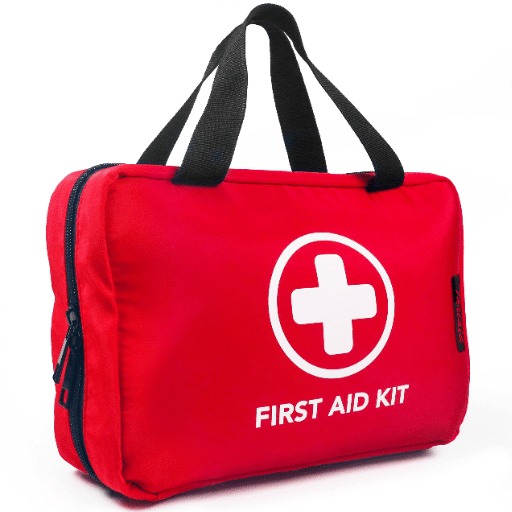
Your specific emergency primarily dictates what the ideal emergency medical kit should look like. For basic home care, a standard kit should contain items such as band aids, antiseptics, pain medication, and cut-resistant tweezers and scissors. For wilderness adventures, the kit should be both lightweight and portable, while also equipped to manage survival items, emergency blankets, and sustainable first aid for injuries such as cuts, burns, or sprains. Business and travel kits must comply with OSHA’s requirements or similar regulations and include custom items tailored to the population they cover. More extreme, specialized kits, including ones with disaster preparedness supplies for natural disasters, typically include advanced items such as water purification tablets and tourniquets. Effectively assessing your environment and the relevant risk factors will help you choose the best-suited kit for your requirements.
Choosing a Compact Kit for Backcountry Adventures
Regarding safety and preparation for backcountry trips, choosing a compact and fully equipped first aid kit is crucial. Ideally, a first aid kit made for outdoor trips should be lightweight and compact, ideally under a single pound. This is handy so that the kit does not add excess weight to your backpack. Most high-quality options weigh between 9 and 16 ounces and come with necessities such as bandages, antiseptic wipes, and blister treatment supplies.
Attention to detail is crucial when choosing a backcountry kit, especially in terms of organizational ease, versatility, and withstanding various weather conditions. Avoid kits that do not offer waterproof pouches or indestructible nylon cases, since they do a poor job of protecting supplies from moisture and dirt. Other kits have clear compartments or color-coded sections that allow users to grab the required items during high-pressure situations quickly.
If more advanced options are needed for treating fractures or major wounds, look for kits that include specialized tools such as splints, trauma shears, and irrigation syringes. Other options, such as a SAM splint or hemostatic gauze, can be beneficial for people in remote areas with limited access to emergency services, as revealed by outdoor safety data.
To cap it off, make sure to check the inventory of your kit before each trip and pay attention to the environment. Trips in freezing weather, for instance, may require supplemental items like thermal blankets or hand warmers. Thoughtful customization of your kit can improve the chances of being prepared for the adventure while minimizing pack space.
What Military First Aid Kits Include
Military first aid kits are strategically designed to cope with the trauma of war, providing life-saving supplies for injury treatment and surgical emergency care. These kits are tailored so military personnel can manage different kinds of injuries on the battlefield or in other remote, harsh conditions.
An average Individual First Aid Kit (IFAK) in the military contains tourniquets, pressure dressings, hemostatic gauze, nasopharyngeal airways, chest seals for open chest wounds, and trauma shears. The individual pieces focus on some of the most critical injuries that, if untreated, can lead to loss of life, loss of limbs, or severe disability from uncontrolled hemorrhage, airway management, and injury fixation. For example, CAT combat tourniquets are now a standard feature of military kits because they can stop arterial bleeding within seconds.
Moreover, military kits typically include basic first aid items such as medical tape, gloves, antiseptic cleaning materials, and eye shields. These materials can help with wound infection control and cleansing. Enhanced kits are likely to contain materials specifically designed for the most extreme conditions, such as Celox and QuikClot gauze, which are designed to work in conditions of severe blood loss.
Information provided by defense and health institutions outlines thorough testing and efforts aimed at improving these kits to ensure they are effective. For instance, over the last two decades, survival rates during combat have increased dramatically due to better hemostatic agents and improved tourniquet designs. Such a focus on innovation ensures that military first aid kits are still lightweight but packed with the essential components needed to provide life-saving intervention as fully and quickly as possible.
The assortment of these supplies, put together so meticulously, showcases efficiency in both military operations and civilian emergencies.
Essential Gear for First Responders
First responders need gear that has been proven to work well in strenuous and demanding conditions. Following is a description of some of the most critical pieces of equipment and tools that maintain safety as well as proper functioning in the field:
Trauma kits are crucial for providing care during an emergency. In addition, they usually have hemostatic dressings to aid bleeding, tourniquets, chest seals, and pressure bandages. Research indicates that properly applied tourniquets can help stop hemorrhage fatalities in over 90% of cases. Standard trauma modules are now the norm in modern emergency response units.
Personal Protective Equipment (PPE): To guard from hazardous materials, personal protective equipment such as gloves, masks, goggles, and even full-body suits is necessary. N95 respirators, which filter out 95% of airborne particles, are highly recommended for respiratory protection by health and safety standards. Furthermore, fire-resistant clothing is often used by responders dealing with fires or chemical spills.
Communication Devices: Responders can stay in touch and connected far beyond accessible regions or even those that have been ravaged by disasters, using these two-way radios and satellites. Depending on current needs, modern systems use various means of secure communication, such as encrypted channels, to ensure safe and interference-free communication.
Automated External Defibrillators (AEDs): AEDs are lifesaving, portable devices designed to treat individuals who are suffering from sudden cardiac arrest. Recent data indicates that the survival rate more than doubles when AEDs are applied within the first few minutes of collapse.
Respiratory Equipment: First responders dealing with smoke, toxic chemicals, or low-oxygen situations depend heavily on the Self-Contained Breathing Apparatus (SCBA). These devices have undergone new advancements that have helped make them lighter and more comfortable, without compromising essential respiratory protection.
Lighting Solutions: LED lights have significantly improved the performance of flashlights and headlamps for use in low-light and nighttime conditions. The rechargeable, weatherproof units are preferred for use in harsh working conditions.
Together, these tools enable first responders to address a range of emergencies, from natural disasters to critical medical incidents, in an efficient manner. The quality and functionality of the gear will affect their capacity to save lives and ensure public safety.
How to Use an Emergency Medical Kit During a Crisis?

Applying an emergency medical kit during a crisis requires you to be calm while acting quickly. First, look at the whole situation carefully and check for any risks that could lead to danger. After it is safe, examine the injured individual and take actions based on the priority of their condition. Make sure to use gloves and other protective gear to reduce the chance of contamination and protect yourself. Keep in mind the main first aid rules: wash the injury with antiseptic, apply Band-Aids, and apply stabilization splints if the injury requires it. As for advanced tools or medicine, use the kit’s instructions as a guide. Finally, for additional help, always call professional emergency services.
Steps to Perform Basic First Aid with Your Kit
Assess the Incident: Before providing any form of first aid, ensure that the area is safe for both you and the individual who needs assistance. Look out for potential dangers like traffic, fires, or hazardous materials, and if necessary, help the injured person to safety.
Contact Emergency Medical Services: If the condition is life-threatening or the injury is severe enough to require immediate attention, call the locally available medical emergency services. You must be specific about your location and the surrounding details of the injury.
Cease Bleeding: Cover the area with sterile gauze or a clean cloth and apply direct pressure to stop bleeding. From studies, it can be observed that providing intense pressure minimizes blood loss within 5 to 10 minutes in 90% of cases. If a dressing has been applied, do not remove it. Apply additional gauze if more is needed.
Clean wounds efficiently. Inspect the area first, then clean it with antiseptic wipes or saline solution. Research shows that dirt and bacteria must be cleaned to prevent infection. Large open wounds should not be sprayed with hydrogen peroxide or alcohol directly, as it will damage the wound’s sensitive tissues.
First Aid for Burns: For a minor burn, apply cool, running water to the affected area for 10-20 minutes. Most experts now recommend against using ice on the skin due to the risk of ice burns. After cooling, cover the area with a sterile, non-adherent dressing.
Administer CPR When Required: Begin CPR if the person is unresponsive and not breathing. Provide 30 chest compressions at a rate of 100 to 120 a minute and give two rescue breaths. AEDs are usually located in public places and significantly increase the chances of survival by restoring the heart’s rhythm. If you have an emergency CPR mask in your first aid kit, feel free to use the instructions that come with it.
Stabilize Fractures and Sprains: When dealing with a possible fracture or a sprain, restrain movement of the injured part of the body using either a splint or elastic bandages. Ensure that you do not try to align the broken bone. Evidence suggests that proper immobilization can limit excessive pain and further injury to the body.
Treating for Shock: Lay the injured patient down on their back and raise their feet if they exhibit signs of shock, such as fatigue, paleness, rapid breathing, or a weak pulse. Warm and calm the individual until they receive proper medical care.
How to Use an EpiPen for Anaphylactic Allergic Reactions: Anaphylactic reactions in victims who have an EpiPen should be treated with immediate use. Statistics show that epinephrine is best given in severe allergic reactions.
Reassure: While waiting for trained professionals, ensure the active, ready victim remains in a neutral state. Speak to them in a relaxed voice so they don’t lose consciousness. Take notes on all your first aid actions for the medics and doctors who will arrive later.
With the above steps, you are guaranteed effective first aid and incident management that aligns with the optional standards.
Responding to Trauma and Injuries in Emergencies
During an emergency with trauma or injuries, my first action is to stay calm and assess the situation at the scene. A vital scene check is performed to see if the person is still alive, and care is given as best as possible, which includes stopping significant bleeding and providing feeding support to shattered extremities. Calm breathing is essential, so I sent for other medics while checking what aid I could give to the injured. A clear line of dialogue is held, and all critical details are passed on to the first responders. No matter what, my focus is always on securing the level of responsiveness.
Administering CPR with Medical Supplies from Your Kit
When assisting, CPR is performed with medical equipment from the kit. Situational checks are done to ensure the area is safe, and a barring check is used to see if the patient is breathing and responsive. If needed, a CPR mask or other shielding mechanical aid is retrieved from the kit to help with breathing, so that respiration can be practiced with a barrier in place. Breath can be administered without the risk of spreading contaminants, so I deliver PCR using safe methods. The patient has to be placed on a flat, solid surface, with their chest, so I can start counting compressions. The surpassing torso and doing compressions will be triggered. The parts are the steps to follow. I will continue to be breathless until the Physician comes. Tescy will be on board and will partially rescue as instructed, save for no returns.
What Are the Cost-Effective Options for Building Your Own Medical Kit?
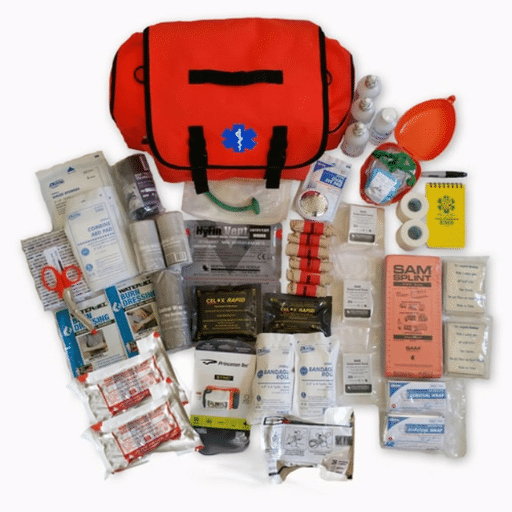
To create a budget-friendly medical kit, focus on items that are useful and practical while not breaking the bank. Including items like adhesive bandages, sterile gauze, antiseptic wipes, and medical tape for active wounds will save you money, and these are just the bare basics. Don’t forget about the scissors and tweezers, which can be found for next to nothing, along with the rest of the first aid equipment, and the gloves that can be thrown away afterward. Keep OTC selections like painkillers, antihistamines, and diarrhea prevention tablets on hand to treat common ailments. You can either buy a compact, durable case for your supplies or repurpose one you already have to organize them. It’s easier than ever to find high-quality supplies at low prices, so you don’t need to restock often. Always keep these stores in mind: dollar stores, pharmacies, or even online.
Comparing Price vs. Value in First Aid Kits
Considering the price and value of a first aid kit, it’s essential to consider the quality, comprehensiveness, and durability of its components. A basic first aid kit can be purchased for $10-$15 and, as the name suggests, contains the minimum essentials, such as band-aids, antiseptic wipes, gauze, and adhesive tape. More specialized kits, which include trauma shears, CPR masks, and splints, are priced higher, ranging from $30 to $50.
The higher-priced kits improve value with waterproof pouches and more durable first aid equipment, such as stainless steel tools and associated medications or instruction manuals. Take, for instance, the $45 comprehensive kit, which targets outdoor enthusiasts; it becomes more valuable for people who need it because it contains medical-grade splints and survival tools that the kit is designed to carry. These kits often have weather-resistant complex cases that enhance their usefulness in demanding terrains.
For optimal purchasing, consider your particular use case. For most home uses, an inexpensive kit should be sufficient. However, suppose the kit is intended for outdoor excursions or first responder situations. In that case, the advanced features of more expensive emergency kits are well worth the investment and can even be lifesaving. In the end, try to find a balance between meeting your needs and your budget. Consider the cost relative to the kit’s durability, comprehensiveness, and material quality.
DIY Emergency Kit: Items You Need to Include
When curating your DIY emergency kit, including general emergency items along with specific, tailored personal ones to suit your needs best is crucial. To begin, water and food provisions need to be prioritized. Experts suggest keeping at least one gallon of water per person for three days, along with non-perishable food that requires minimal preparation, such as pre-cooked noodles. Make sure to pack a manual can opener along with utensils so that all these portable provisions can be accessed easily.
Next, merge accurate medical provisions. Prescription medications and waterproofed emergency contact details can similarly be added. Regarding the first-aid kit itself, it should be stocked with adhesive bandages, sterile gauze, antiseptic wipes, a pair of tweezers and scissors, adhesive tape, and pain relievers such as ibuprofen and acetaminophen.
Don’t make the mistake of ignoring safety gear and tools. Reliable torches with extra batteries, a multi-tool, and waterproof matches, along with a whistle and duct tape, can all be lifesaving. A hand-crank or battery-powered radio can come in handy to keep track of what’s going on during emergencies.
Additionally, ensure to keep track of warmth and shelter provisions. For temporary shelter, Mylar emergency blankets can be 6vered by tarps or small tents. Be sure to include resistant, warm clothing along with gloves to help protect against the cold. For families with pets, be sure to include food and comforting items, along with water and any necessary medication, for personalized care.
Personal hygiene and communication needs must be satisfied lastly. Things like hand sanitizer, sanitary wipes, face masks, toothbrushes, feminine hygiene items, and a notepad with writing tools should be added. Having a portable phone charger or power bank can be a lifesaver when communication is critical. Place all these items in a sturdy waterproof carry bag.
Frequently Asked Questions (FAQs)
Q: What should a comprehensive medical kit contain?
A: A comprehensive medical kit should contain a variety of first aid supplies such as bandages, antiseptics, gauze, adhesive tape, scissors, tweezers, and pain relievers. It may also include specialized items, such as a tactical tourniquet, EMT shears, and a resuscitation mask.
Q: How do I choose the right bag for my emergency medical kit?
A: When selecting a bag for your emergency medical kit, consider factors such as size, durability, and organization. Look for a bag with zippered pockets, front pockets, and a shoulder strap for easy portability and access to supplies.
Q: Can I buy an empty bag to customize my medical kit?
A: Yes, you can purchase an empty bag specifically designed for medical supplies, allowing you to create your kit tailored to your specific needs and preferences. Ensure that the bag is spacious enough to accommodate all necessary items.
Q: What is the difference between a tactical medical kit and a regular first aid kit?
A tactical medical kit is designed for more serious emergencies and often includes advanced medical supplies, such as tourniquets, hemostatic agents, and pressure dressings. A regular first aid kit typically contains basic supplies for minor injuries.
Q: Why is it essential to have an emergency first aid kit?
A: Having an emergency first aid kit is crucial for providing immediate medical care during unforeseen situations, helping to stabilize injuries until professional medical assistance is available.
Q: How often should I check and update my medical kit?
A: You should check and update your medical kit at least twice a year to ensure that all supplies are in good condition and have not expired. Replace any used or outdated items promptly to keep the kit effective.
Q: What are some situations where extensive first aid supplies might be necessary?
A: Extensive first aid supplies might be necessary during activities such as camping, hiking, or a safari, where immediate professional medical help may not be readily accessible, and there’s a need to treat more severe injuries.
Q: How do zippered pockets and front pockets enhance the functionality of a medical kit bag?
A: Zippered pockets and front pockets enhance functionality by providing organized storage, ensuring that first aid supplies are easily accessible and protected from external elements, making it quicker to find what you need during an emergency.
Q: Are there specific products recommended for a tactical medical kit?
A: Yes, recommended products for a tactical medical kit include items such as tactical tourniquets, hemostatic dressings, and chest seals, which are essential for treating severe injuries effectively.
Q: What should I consider when purchasing first aid kits and supplies?
A: When purchasing first aid kits and supplies, consider the type of activities you engage in, the potential risks involved, and the specific medical needs of you and your family. Ensure the kit contains all necessary items to address potential injuries or emergencies.