ALL CATEGORIES

Browse by Category

Featured Suppliers

Featured verified suppliers in Tractor & Parts

Featured Products

Top-selling and featured products in Tractor & Parts
Smart Sourcing Guide

Essential tips for successful procurement

Find Products Efficiently

Quickly locate what you need:
Browse specialized subcategories above
Use precise keywords in our search
Filter by specifications & certifications

Verify Supplier Credentials

Ensure reliable partnerships:
Look for the badgeVerified Supplier
Check supplier certifications
Review transaction history

Industry Insights

Key developments and opportunities about Tractor & Parts

  • Applications

    Tractors and their parts are essential in agriculture for plowing, planting, and harvesting, as well as in construction, landscaping, and material handling across global markets.
  • Industry Trends

    Emerging technologies include autonomous tractors with AI and GPS for precision farming, electric and hybrid models for efficiency, and automation in parts like transmissions.
  • Sustainability & Compliance

    Compliance requires adherence to international standards such as ISO 50001 for energy efficiency and CE marking for safety, alongside eco-trends like emission reduction and sustainable agriculture.
  • Buying Guide

    When procuring, evaluate suppliers on certifications like ISO 9001, prioritize product durability and compatibility, and ensure robust after-sales support for international buyers.
FAQ

Common Sourcing Questions

Common Sourcing Questions in Tractor & Parts
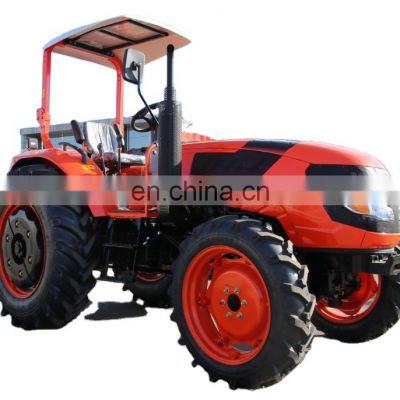
What international certifications should I look for when sourcing tractors?

When purchasing tractors, prioritize suppliers with ISO 9001 for quality management and CE marking for European market compliance. These certifications ensure product safety and reliability, reducing risks in international trade. Always request documentation upfront to verify authenticity. For agricultural equipment, also check if they meet specific regional standards like EPA Tier 4 for emissions. This helps avoid delays and ensures smooth customs clearance.

What is the typical Minimum Order Quantity (MOQ) for tractor replacement parts?

MOQs for tractor parts vary based on the component, such as 100 units for common items like filters or 50 for specialized gears. Suppliers often set lower MOQs for high-demand parts to attract bulk buyers. Discuss your volume needs directly with manufacturers to negotiate flexible terms, and consider bundling orders to meet thresholds. This approach optimizes costs and inventory for parts like bearings or hydraulic systems.

How do I request custom modifications for tractor components during procurement?

To customize tractor parts, provide detailed specifications such as dimensions, materials, and performance requirements to the supplier. Initiate with a design consultation, followed by prototyping if needed. Most manufacturers offer this for items like specialized attachments or engine parts, with lead times of 2-4 weeks. Ensure they adhere to ISO standards for quality control. This streamlines the process and minimizes errors in mass production.

Can I get samples of tractor parts before placing a large order?

Yes, many suppliers offer samples for tractor parts like seals or brackets to verify quality and fit. Request samples through a formal quote, specifying your requirements. Sample costs are often refundable against bulk orders, with lead times of 1-2 weeks. Inspect for defects and compliance with certifications like ISO 9001. This step reduces risks and ensures the parts meet your operational needs before committing.

What packaging methods are used to protect tractors during international shipping?

Tractors are typically packaged in weather-resistant crates or containers with anti-corrosion treatments and cushioning materials like foam. Suppliers follow ISO standards for secure loading, including strapping and moisture barriers. Specify packaging requirements in your order to prevent damage during transit. For large items, opt for break-bulk shipping with reinforced cases. This ensures products arrive intact, reducing warranty claims.

What are the best shipping options for importing tractor parts internationally?

For tractor parts, choose air freight for urgent, small shipments or sea freight for cost-effective bulk orders. Ensure suppliers use reliable logistics partners with tracking. Factor in transit times, customs duties, and Incoterms like FOB or CIF to clarify responsibilities. Request packaging that meets international standards to avoid delays. This approach balances speed and cost for components like transmissions or tires.

How do I ensure replacement parts are compatible with my specific tractor model?

Provide the tractor's make, model, and serial number to the supplier when ordering parts like filters or belts. Reputable manufacturers offer cross-reference guides and test compatibility during sampling. Verify that parts meet OEM specifications or have certifications like CE for safety. This prevents mismatches and downtime. Always review technical datasheets before finalizing orders to ensure seamless integration.

Other Industries

Explore more categories