ALL CATEGORIES

Browse by Category

Featured Suppliers

Featured verified suppliers in Inverter

Featured Products

Top-selling and featured products in Inverter
Smart Sourcing Guide

Essential tips for successful procurement

Find Products Efficiently

Quickly locate what you need:
Browse specialized subcategories above
Use precise keywords in our search
Filter by specifications & certifications

Verify Supplier Credentials

Ensure reliable partnerships:
Look for the badgeVerified Supplier
Check supplier certifications
Review transaction history

Industry Insights

Key developments and opportunities about Inverter

  • Applications

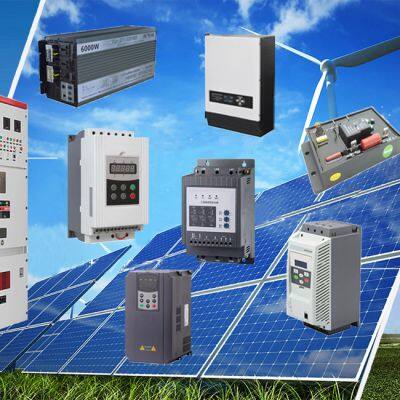
    Inverters are crucial for converting DC to AC power in applications like solar energy systems, residential backup power, and electric vehicle charging stations. They also support critical infrastructure such as UPS in data centers and industrial equipment, enabling reliable energy conversion globally.
  • Industry Trends

    The industry is advancing with smart technologies, including IoT integration for remote monitoring and AI-driven efficiency optimization. Trends focus on higher power density designs and seamless renewable energy integration to enhance automation and sustainability in power management.
  • Sustainability & Compliance

    Compliance with international standards like IEC 62109 and CE marking is mandatory for safety and market access. Environmental trends emphasize energy efficiency certifications such as ENERGY STAR and RoHS directives to reduce hazardous substances and carbon footprint.
  • Buying Guide

    When sourcing, evaluate suppliers based on ISO 9001 certification, product reliability, and warranty support. Prioritize inverters with appropriate power output, high efficiency ratings, and compatibility with your application to ensure cost-effective and durable performance.
FAQ

Common Sourcing Questions

Common Sourcing Questions in Inverter

What certifications are required for purchasing power inverters for the European market?

For power inverters sold in the EU, CE certification is essential to meet safety and electromagnetic compatibility (EMC) standards. Many suppliers also hold ISO 9001 for quality management, ensuring reliable production processes. Always request certificates and test reports during sourcing to verify compliance and avoid customs delays. This certification not only guarantees product safety but also builds trust with end-users in international trade.

What is the minimum order quantity (MOQ) for custom inverters under 'Other Inverters' category?

The MOQ for custom inverters varies by supplier but typically starts at 100-500 units depending on specifications like wattage and features. Discuss your requirements upfront, including any unique designs or integrations, to negotiate lower quantities. Higher MOQs often come with cost advantages, so plan your procurement strategy to balance customization and budget while ensuring efficient production runs.

How can I request samples for testing inverters before placing a bulk order?

To request samples, provide detailed specifications such as power output and input voltage. Suppliers usually offer sample units for a fee, covering production costs, with lead times of 1-2 weeks. Test them thoroughly for performance and compatibility. This step ensures quality alignment before bulk production and minimizes risks in international procurement. Always confirm sample costs and return policies in advance.

What packaging options ensure safe international shipping for inverters?

Inverters are typically shipped in sturdy cardboard boxes with foam inserts or wooden crates for heavy units to prevent damage during transit. Opt for moisture-resistant packaging for sea freight and include shock-absorbing materials. Discuss options like palletization with suppliers to reduce handling risks and ensure compliance with shipping regulations. Proper packaging protects against transit hazards and minimizes warranty claims.

Do your inverters include ISO 9001 certification for quality assurance?

Yes, many inverter suppliers hold ISO 9001 certification, which ensures standardized quality management systems in manufacturing. This certification covers processes from design to production, reducing defects and improving reliability. Verify this during sourcing to guarantee consistent product performance. It also supports compliance with global standards, making it easier to integrate inverters into diverse applications like solar systems.

Can I negotiate discounts for large orders of power inverters?

Yes, bulk orders often qualify for discounts; discuss volume-based pricing with suppliers during negotiations. Factors like MOQ, payment terms, and long-term partnerships can influence discounts. Ensure clear communication on specifications to avoid hidden costs. This approach optimizes procurement budgets while maintaining quality, especially for high-volume projects in industrial or renewable energy sectors.

How long does production and shipping take for custom inverters?

Production for custom inverters typically takes 4-8 weeks, including design approval and manufacturing. Shipping adds 2-6 weeks depending on method—air freight is faster but costlier, while sea freight is economical for bulk. Factor in customs clearance and plan lead times with suppliers to avoid delays. This ensures timely delivery for projects requiring specific inverter types like hybrid models.

Other Industries

Explore more categories