ALL CATEGORIES

Browse by Category

Featured Suppliers

Featured verified suppliers in Drying Machine

Featured Products

Top-selling and featured products in Drying Machine
Smart Sourcing Guide

Essential tips for successful procurement

Find Products Efficiently

Quickly locate what you need:
Browse specialized subcategories above
Use precise keywords in our search
Filter by specifications & certifications

Verify Supplier Credentials

Ensure reliable partnerships:
Look for the badgeVerified Supplier
Check supplier certifications
Review transaction history

Industry Insights

Key developments and opportunities about Drying Machine

  • Applications

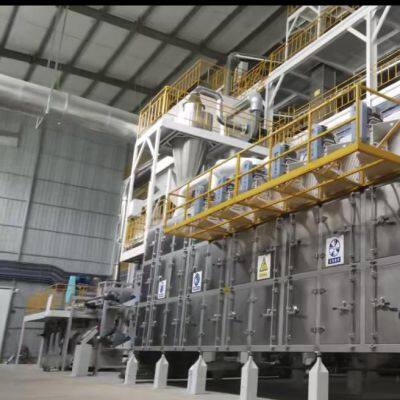
    Drying machines are widely used in industries such as food processing, pharmaceuticals, and chemicals for moisture removal, with applications including spray drying for powders, vacuum drying for sensitive materials, and drum drying for bulk products to enhance quality and preservation.
  • Industry Trends

    Emerging trends feature automation through IoT sensors for real-time monitoring, energy-efficient heat pump technology, and AI-driven optimization to reduce operational costs and improve efficiency across rotary and belt drying systems.
  • Sustainability & Compliance

    Compliance with international standards like ISO 9001 for quality, CE marking for safety, and FDA regulations for food-grade applications is essential, alongside growing environmental demands for energy savings and adherence to RoHS directives.
  • Buying Guide

    When selecting drying equipment, assess suppliers for ISO certifications, technical support capabilities, and product reliability; prioritize energy-efficient models tailored to specific needs like drying capacity and material compatibility in flash or compressed air dryers.
FAQ

Common Sourcing Questions

Common Sourcing Questions in Drying Machine
What is the typical MOQ for drum drying machines, and can it be customized?

The minimum order quantity (MOQ) for drum drying machines usually ranges from 1 to 5 units for standard models, but it can increase with customizations like specific materials or sizes. Suppliers often negotiate based on your production scale; always confirm during initial discussions to avoid overstocking. Custom options may include tailored drum speeds or heating elements, impacting lead times. This flexibility helps optimize costs while ensuring the machine meets your drying efficiency needs.

Are spray drying machines certified for food and pharmaceutical applications?

Yes, spray drying machines can be certified for food-grade and pharmaceutical use with standards like ISO 22000, HACCP, or FDA compliance. Ensure the design includes stainless steel contact surfaces and easy-clean features to meet hygiene requirements. Request documentation for certifications such as CE or GMP during procurement to guarantee safety for sensitive materials. This verification minimizes contamination risks and ensures regulatory adherence in global markets.

Can drying ovens be customized for high-temperature industrial processes?

Drying ovens are highly customizable, with temperature ranges adjustable from ambient to over 300°C based on your needs. Manufacturers can modify insulation, heating elements, and control systems for uniformity in applications like curing or testing. Discuss specific requirements during the design phase; customizations may extend lead times by 2-4 weeks but ensure optimal performance. Always verify certifications like CE for safety and energy efficiency.

How long does it take to receive a sample for vacuum drying machines, and what's included?

Sample delivery for vacuum drying machines typically takes 4-8 weeks, depending on customization complexity. Suppliers offer prototypes with pre-shipment inspection reports and often cover basic shipping costs. Test samples to evaluate drying speed and vacuum seal integrity before bulk orders. Confirm if they include performance data sheets; this step helps avoid costly modifications and ensures the machine handles your materials effectively.

What packaging options ensure safe shipping for belt drying machines internationally?

Belt drying machines are packaged in export-grade wooden crates with anti-shock materials like foam or bubble wrap to prevent transit damage. Options include moisture barriers for humid climates and custom sizing for large units. Verify with suppliers that packaging meets international standards, and ensure insurance coverage is included. This protects your investment during shipping and simplifies customs clearance.

What certifications are required for compressed air dryers in hazardous environments?

Compressed air dryers need certifications like ATEX for explosive atmospheres, ISO 9001 for quality, and CE for European markets. Confirm compliance with local regulations such as OSHA in the US. Request certification documents during procurement to ensure safety features like spark-proof designs. This reduces operational risks and downtime in industrial settings.

What is the average lead time for rotary drying machines with custom features?

Lead times for rotary drying machines range from 8 to 16 weeks for custom orders, depending on specifications like size or material handling. Standard units may ship in 4-6 weeks. Discuss production schedules early and request milestone updates to plan integration. Factor in buffer time for potential delays to ensure timely delivery for your drying processes.

Do manufacturers offer testing services for flash drying machines before purchase?

Yes, most suppliers provide testing services for flash drying machines, including pilot trials with your material samples. This allows evaluation of drying rates, energy efficiency, and output quality. Testing may involve a small fee but prevents post-purchase issues. Schedule it during procurement to validate performance and confirm MOQ suitability for bulk orders.

Are dry cabinets suitable for sensitive electronics, and what humidity controls do they have?

Dry cabinets are ideal for electronics storage, featuring humidity control down to 5% RH with digital hygrometers and alarms for deviations. Models often include desiccant systems and CE/UL certifications for safety. Custom sizes are available; discuss your storage needs to prevent corrosion. Ensure easy access for maintenance to protect sensitive components in humid environments.

Other Industries

Explore more categories