Product Management
Blog Management
Inquiry Management
Analytics Center

 Connect Your Store to WeChat
Follow Our Official Service Account
Manage Products & Inquiries Anywhere
Seller Services

Join GoldSupplier.com
Free & Instant Registration
Showcase Company & Products
Access Global Buying Requests

Activate Verified Supplier Membership
Priority Verified Visibility
Claim Exclusive Buying Requests
Automated Multi-language Store

Launch Your EasyOcean Website
Full-Service Website Management
Google Page 1 Guarantee
Enhanced Brand Credibility


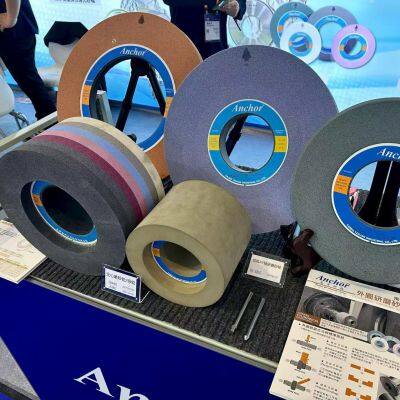
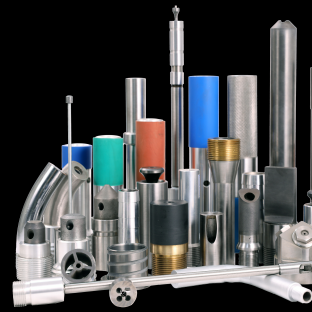
The Abrasive & Grinding channel features key categories like Grinding Wheel, Abrasive Grains, Grinder, Polishing Pad, and Grinding Disc, connecting global wholesale suppliers and manufacturers for one-stop solutions from OEM customization to bulk purchasing.
Industry advancements include automated grinding systems and sustainable sourcing, adhering to ISO standards and eco-friendly practices, ideal for bulk orders and OEM production.
Goldsupplier.com enforces strict verification for reliable suppliers and quality products; find trusted partners and request quotes for efficient procurement today.
446
87,799
1,161

Grinding Wheel


Grinder

Polishing Pad

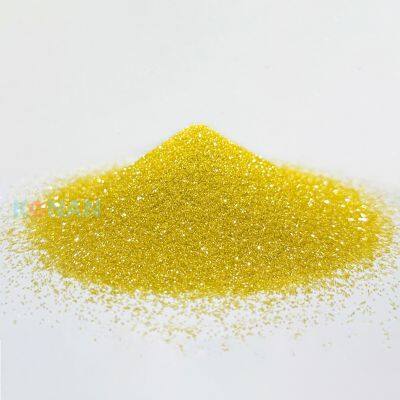
Abrasive Grains

Grinding Disc

Blasting Media

Other Abrasive & Grinding Tools

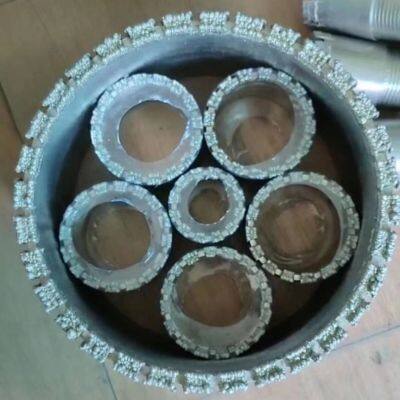
Superhard Materials

Sharpening Stone

Abrasive Brush

Abrasive Cloth & Mesh

Flap Disc

Grinding Ball

Grinding Beads

Grinding Head

Grinding Powder

Featured verified suppliers in Abrasive & Grinding
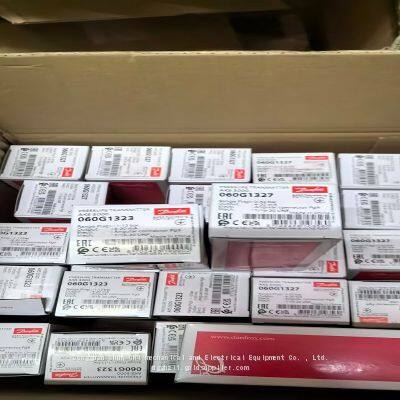
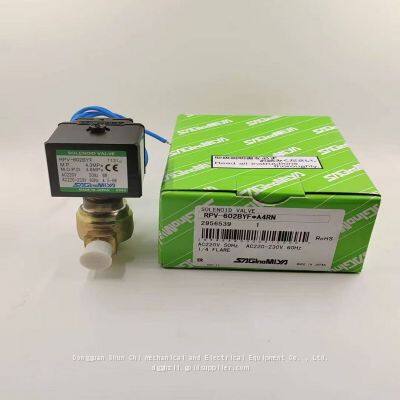
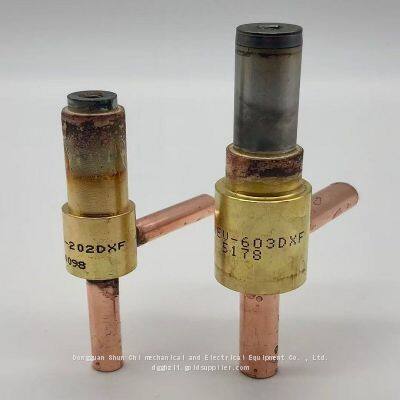
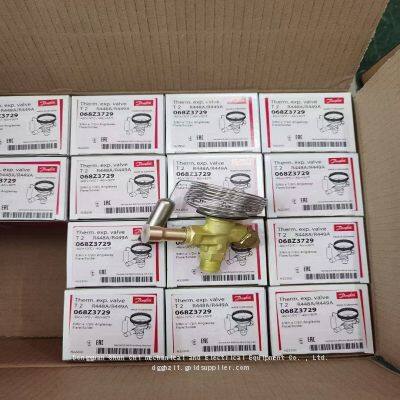
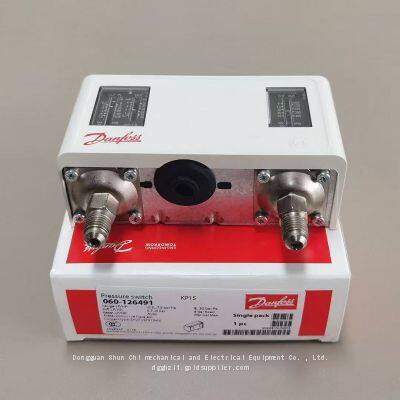
Top-selling and featured products in Abrasive & Grinding



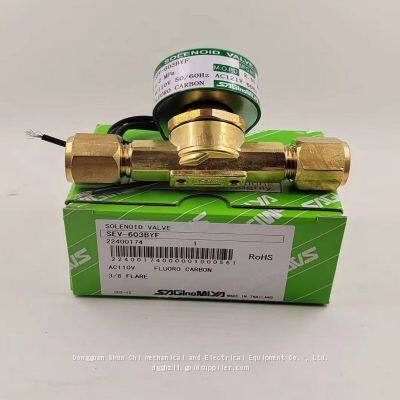
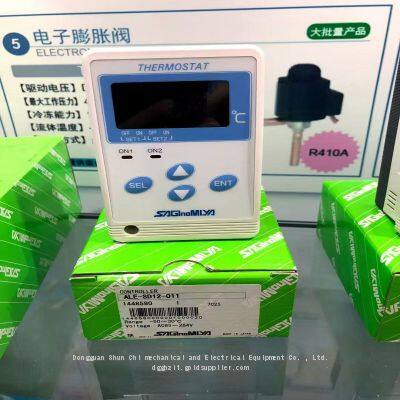
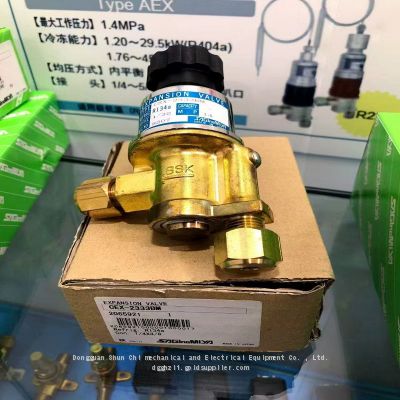
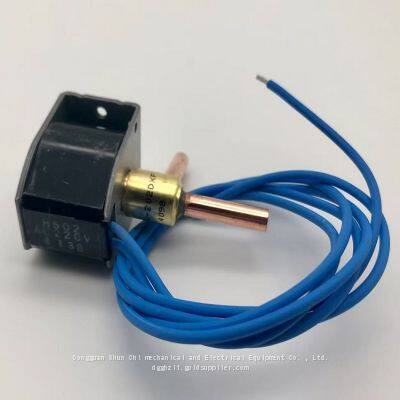






Essential tips for successful procurement

Find Products Efficiently

Verify Supplier Credentials

Key developments and opportunities about Abrasive & Grinding
Applications
Industry Trends
Sustainability & Compliance
Buying Guide

Common Sourcing Questions in Abrasive & Grinding
How can I verify the quality standards of grinding wheels before placing a bulk order?
What factors should I consider when selecting abrasive grains for metal grinding applications?
What certifications are essential for industrial grinders to ensure safety in international markets?
Can polishing pads be customized for specific surfaces like concrete or stone, and what is the process?
What is the typical MOQ for grinding discs in bulk international orders?
How should sanding paper be packaged and shipped to prevent damage in large orders?
Explore more categories

Official WeChat Account
Follow Us for Updates


 Contact Platform Support
 Help Center